 ARUN'S YOGA
Understanding Prārabdha in the Light of Reality
In the profound context of the Nādabindu Upaniṣad, the relationship between prārabdha and the knowledge of Reality is a significant philosophical inquiry. Upon the awakening of true knowledge, prārabdha—a term that denotes the karmic fruits of one’s past actions—does not actually get ‘released’ in the conventional sense. Instead, its absence is noted after this realization.
This observation leads to a deeper understanding of existence and the role of karma in spiritual liberation. With the dawning of the knowledge of Reality, one recognizes that prārabdha does not exist at all, thus inviting a re-evaluation of our understanding of karma.
The Nature of Prārabdha
Prārabdha refers specifically to the portion of accumulated karma that is responsible for an individual’s current experiences in life. It is the active part of our karma, influencing our present circumstances. In traditional teachings, every individual experiences prārabdha until they attain a high level of spiritual realization.
However, this perspective shifts dramatically when true knowledge or Self-realization occurs. One may initially believe that upon understanding the nature of Reality, their prārabdha will somehow cease. But as the teachings elucidate, this is not the case. The essence of prārabdha is not released or destroyed; rather, it is recognized as illusory.
Knowledge of Reality and Its Transformative Power
The Upaniṣadic wisdom teaches that once a seeker has realized the unchanging reality of the Self, the experiences that were once attributed to prārabdha begin to lose their significance. The experiences rooted in past karma may continue to unfold, but their grip on the individual weakens. This is because the realized individual understands that these experiences are not connected to their true essence.
In essence, these realizations evoke a profound shift in perception. The worldly experiences tied to prārabdha transform when viewed through the lens of an enlightened understanding. The weight of past karma diminishes as one aligns with their true nature, unencumbered by the illusions of separation and duality.
Prārabdha and the Illusory Nature of Existence
The interplay between prārabdha and the knowledge of Reality implicates a greater philosophical understanding of existence. The realization leads one to see that life, as it is known, operates in the realm of duality and appears separate. With the rise of this knowledge, the distinction between the experiencer and the experiences begins to dissolve.
This dissolution reveals that what was previously perceived as an unyielding force (prārabdha) is, in fact, an illusion created by ignorance. Ignorance of one’s true self perpetuates attachment to the fruits of karma, which subsequently generates suffering. Thus, the journey toward liberation demands the shedding of ignorance and the recognition of the inherent unity with the cosmos.
The Path to Realization
To navigate through prārabdha towards the understanding of Reality requires dedicated spiritual practice, or sādhanā. This practice involves meditation, self-inquiry, and the discernment of the fleeting nature of worldly attachments. Through consistent engagement in these spiritual disciplines, a practitioner can cultivate the wisdom necessary to perceive reality as it truly is.
In conclusion, when knowledge of Reality arises, prārabdha does not get ‘released’ but instead reveals itself to be an integral part of the illusion. After the dawning of this knowledge, the realization that prārabdha does not exist at all becomes apparent. This understanding liberates one not from prārabdha itself, but from the binds of ignorance that tether them to suffering, ushering in a state of profound peace and clarity in their existence.
Frequently Asked Questions
What is prārabdha?
Prārabdha refers to the portion of accumulated karma that influences an individual’s current experiences in life. It represents the active part of one’s karma and continues to affect a person until they achieve a higher level of spiritual realization.
How does the knowledge of Reality affect prārabdha?
The knowledge of Reality does not release prārabdha in a conventional sense; instead, it reveals prārabdha as illusory. Once true knowledge dawns, the significance of prārabdha diminishes as one aligns with their true self.
What practices help to understand reality?
Dedicated spiritual practices, or sādhanā, such as meditation and self-inquiry, help individuals navigate through prārabdha toward the understanding of Reality. These disciplines cultivate the necessary wisdom to perceive reality accurately.
Why is it said that prārabdha does not exist after realization?
After the dawning of knowledge of Reality, prārabdha is recognized as an illusion, and thus does not exist in the same way as before. This realization shifts one’s perception of the experiences linked to past karma.
What leads to liberation from the effects of prārabdha?
Liberation from the effects of prārabdha is achieved by shedding ignorance and recognizing one’s inherent unity with the cosmos. This understanding alleviates the attachment to the fruits of karma and diminishes suffering.
Test Your Knowledge and Win Coupons to Get Discounts
Have a correction or improvement to suggest?
Log in or create a free accountRelated Videos
 Vidya is not mere knowledge. It is something which helps you to travel from darkness to light.
 karma is not just the mere action that you perform.
 To experience reality we need to change the pattern of thought. Please learn to unlearn.
 If u think then you are thinking about the thought.Not about the reality.
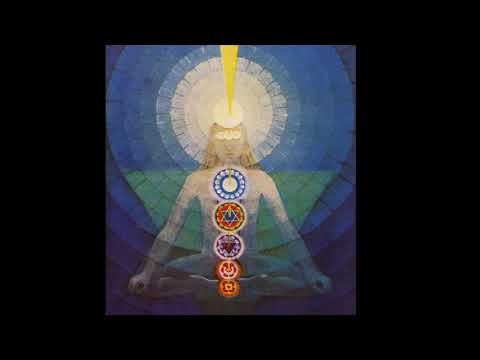 Kundalini Yoga - How It Helps Us To See Reality
 Discovering the Powerful World of Mushrooms From Nature Walks to Magic Experiences
 Labha is the out come of your karma.
 I have spoken to people who are dying and this is what I saw. #death #spirits #reality #shorts









Leave a Reply