 ARUN'S YOGA
Understanding the Teaching
The assertion that there is nothing but the Self in the cosmos profoundly encapsulates the essence of non-dual philosophy found in the Pāśupatabrahma Upanishad. This teaching invites seekers to recognize that the apparent multiplicity of the universe is an illusion, and the only ultimate reality is the Self.
In the realm of spiritual inquiry, the concept of the Self goes beyond individual consciousness. It signifies the universal consciousness that pervades everything. The Upanishadic sage unveils that all beings, objects, and experiences are manifestations of this singular reality. What appears as diverse is, in essence, the Self experiencing itself through various forms.
The Nature of the Self
The Self, or Ātman, is intricately woven into the fabric of existence. While material reality may suggest separation and difference, the profound truth reveals that at the core, all distinctions dissolve into the oneness of the Self. This understanding aligns with the teachings of Advaita Vedanta, which emphasizes that ignorance of this unity results in the perception of duality.
This teaching serves as a reminder to seekers to look beyond the superficial layers of reality. When one attains a deeper understanding of the Self, they recognize that the cosmos, with all its intricate designs and complexities, is but a reflection of their own inner being.
Practical Implications
Embracing the reality that there is nothing other than the Self can have transformative effects on an individual’s life. When one realizes that their essence is synonymous with the universe, a profound sense of connectedness emerges. This connection cultivates compassion, as one sees every being as an extension of themselves.
Moreover, the teachings guide practitioners toward liberation from suffering. By understanding that attachment to transient phenomena is rooted in ignorance, individuals can begin to detach from desires that bind them to the cycle of birth and death. This non-attachment is essential for spiritual growth, enabling the seeker to move beyond the ego-centric perspective.
Chanting the Essence
The practice of meditation and the recitation of mantras such as the Om or Nāda can aid in realizing this truth. Through the repetition of sacred sounds, the mind can be focused inward, allowing for the experience of oneness with the Self. The inner journey into silence and sound aligns with the cosmic reality, facilitating a deeper union with Brahman.
The Illusion of the Material World
Understanding that there is verily nothing other than the Self also aids in dispelling the notion of a materialistic paradigm. Many spiritual traditions assert that the physical world is ephemeral and ever-changing. The Upanishad teaches that clinging to this impermanence leads to suffering. Instead, the wise sage recognizes that true fulfillment lies in realizing one’s unchanging essence.
By surrendering to this truth, one can cultivate peace, knowing that they are part of a greater whole. Each moment becomes an opportunity for realization rather than a struggle for survival or success in a seemingly chaotic world.
Conclusion: The Journey Inward
Ultimately, the declaration that there is nothing other than the Self in the entire cosmos invites each individual to embark on a profound inward journey. It calls for introspection, meditation, and the renunciation of false identities. The quest for self-realization is not merely an intellectual endeavor; it is an experiential journey that leads to liberation.
As seekers embrace this wisdom, they may find solace in the knowledge that they are not separate from the universe but rather are integral to its fabric. The Self, as taught in the Upanishads, is both the observer and the observed, transcending time and space, embodying the essence of existence itself.
Frequently Asked Questions
What does the teaching of the Self in the Pāśupatabrahma Upanishad imply?
The teaching implies that the apparent multiplicity of the universe is an illusion and the only ultimate reality is the Self.
How does the realization of the Self impact one's life?
Realizing the Self fosters a profound sense of connectedness and compassion, as one sees every being as an extension of themselves.
What is the significance of meditation in understanding the Self?
Meditation and recitation of mantras help focus the mind inward, facilitating the experience of oneness with the Self.
Test Your Knowledge and Win Coupons to Get Discounts
Have a correction or improvement to suggest?
Log in or create a free accountRelated Videos
 To experience reality we need to change the pattern of thought. Please learn to unlearn.
 If u think then you are thinking about the thought.Not about the reality.
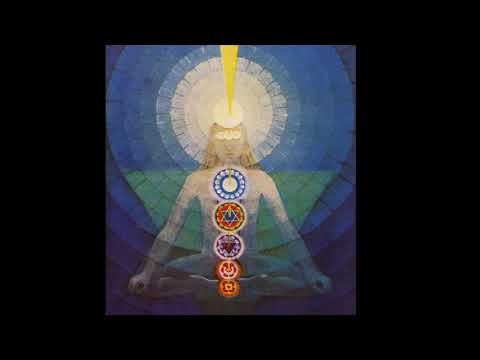 Kundalini Yoga - How It Helps Us To See Reality
 I have spoken to people who are dying and this is what I saw. #death #spirits #reality #shorts
 Sutra are the term denotes ultimate secretes related to nature of visible universe.
 Prakruthi is the ultimate nature of the core feminine.
 Atman is the self itself.
 metatrons cube the blueprint of reality









Leave a Reply