Who Is Maheshwari?
Maheshwari is regarded in the Matrika tradition as a fierce manifestation of the Divine Mother, sharing attributes with Parvati in many regional texts, though she is distinct as one of the seven Matrikas.
Mythological Roots
The earliest references to Maheshwari appear in the Devi Mahatmya and various Puranas. According to legend, when the demon Shumbha and his brother Nasatya threatened the heavens, the supreme goddess Durga manifested the Matrikas to combat the evil. Maheshwari emerged directly from Shiva’s energy (shakti), carrying his trident and a fierce demeanor that mirrors his destructive aspect.
Connection to Shiva
Maheshwari’s name itself means “the one belonging to Mahesh,” another name for Shiva. In iconography she often holds a trident (trishula) and wears a garland of skulls, symbols that link her to Shiva’s role as the destroyer of illusion.
Iconography and Symbolism
Iconographic manuals such as the Shilpa Shastra describe Maheshwari with four arms, a dark complexion, a trident, and a skull‑garland, emphasizing her link to Shiva’s destructive energy.
- Trident – representing the three gunas (sattva, rajas, tamas)
- Flaming sword – cutting through ignorance
- Skull garland – reminder of impermanence
- Lotus pedestal – spiritual transcendence
These symbols collectively convey her role as a guardian who transforms fear into devotion.
Worship Practices
Maheshwari is venerated in Karnataka, Tamil Nadu and Andhra Pradesh, where historic shrines such as those at Mysore, Chennai and Tirupati draw many local devotees.
Rituals include:
- Offering of red flowers, which symbolize both love and the fierce energy she embodies.
In some South Indian temples a local hymn called the Maheshwari Stotra is recited, praising her protective qualities.
Some regional calendars mark the full moon of Margashirsha as an auspicious day for Maheshwari worship, especially in Karnataka.
Devotees may chant a simple mantra such as “Om Maheshwari Namaha” as an expression of devotion.
Maheshwari in Regional Traditions
In Karnataka, the famous Maheshwari Temple at Mysore draws pilgrims seeking relief from ailments and protection against evil forces. In Tamil Nadu, folk songs (kritis) celebrate her as a fierce protector of villages, especially during the harvest season.
Tantric manuals sometimes invoke Maheshwari as part of broader practices aimed at awakening inner energy.
Why Maheshwari Remains Relevant Today
Contemporary practitioners appreciate Maheshwari as a model of empowered compassion: her fierce energy encourages facing inner fears, while her maternal love supports healing and resilience. Yoga teachers often invoke her during kriya practices to cultivate both strength and surrender, linking her mythic power to modern personal growth.
Whether through temple visits, mantra meditation, or artistic expression, Maheshwari continues to guide devotees toward inner resilience and spiritual clarity.
Frequently Asked Questions
What is Maheshwari’s relationship to Shiva?
Maheshwari is considered the embodiment of Shiva’s shakti, emerging directly from his energy and often depicted holding his trident.
Which group of goddesses does Maheshwari belong to?
She is one of the Sapta Matrikas, the seven divine mothers in Hindu tradition.
What is a common offering made to Maheshwari?
Red flowers are commonly offered, symbolizing both love and fierce energy.
During which lunar month is Maheshwari especially worshipped?
She is especially revered during the full moon of the month of Margashirsha.
Maheshwari’s Origin Story in the Devi Mahatmya
The earliest narrative of Maheshwari appears in the Devi Mahatmya, where the demon brothers Shumbha and Nishumbha threaten the heavens. In response, the supreme goddess Durga creates the seven Matrikas; Maheshwari emerges directly from Shiva’s shakti, wielding his trident to lead the divine army. This episode underscores her role as the fierce protector who channels Shiva’s destructive power for the cause of dharma.
Name Meaning and Etymology
The name Maheshwari derives from the Sanskrit Mahesh (another name for Shiva) and the feminine suffix -wari, meaning “belonging to”. Thus Maheshwari literally translates to “the one who belongs to Mahesh (Shiva)”, highlighting her identity as Shiva’s shakti and reinforcing her connection to the divine masculine.
Key Maheshwari Temples and Shakti Peeths
Among the most revered shrines are the Maheshwari Temple at Mysore (Karnataka), famed for its golden kalash and nightly arati; the Maheshwari Devi Temple in Chennai (Tamil Nadu), known for vibrant folk songs during the harvest season; and the Maheshwari Temple at Tirupati (Andhra Pradesh), which is also recognized as a minor shakti‑peeth where a fragment of the goddess’s sandalwood is worshipped. Pilgrims often perform abhishekam with red hibiscus flowers at these sites, aligning with the goddess’s fierce yet loving nature.
Reciting the Maheshwari Stotra
The traditional Maheshwari Stotra, found in regional palm‑leaf manuscripts of South India, begins with the verse:
Om Maheshwari Maheshvari Namah.
Practitioners chant this eight‑line hymn during the full‑moon of Margashirsha to invoke protection and inner strength. The stotra is cited in the Maheshwari‑Stotra Prakashika commentary used in many Karnataka temples.
Maheshwari as a Shakti Peeth
While the primary Shakti Peethas are associated with the Sati legend, several regional traditions list the Maheshwari Temple at Tirupati as a minor Shakti Peeth where a fragment of the goddess’s sandalwood is worshipped. This attribution appears in the Shakti Peetha Stotram and is reinforced by local oral histories in Andhra Pradesh.
Detailed Narrative of Maheshwari in the Devi Mahatmya
In the ninth chapter of the Devi Mahatmya, after the defeat of Shumbha‑Nishumbha, the supreme goddess Durga creates the Sapta Matrikas. Verse 20‑24 describe Maheshwari emerging from Shiva’s shakti, wielding his trident, and leading the divine army against the asuras. This passage establishes her role as the fierce protector of dharma.
Clarifying Common Queries: Goddess vs. God and the Meaning of Maheshwari
The name Maheshwari combines Mahesh (a name of Shiva) with the feminine suffix -wari, meaning “belonging to”. Classical sources such as the Shiva Purana, Rudra Samhita use the term to denote Shiva’s shakti, confirming that Maheshwari is a goddess, not a male deity. This clears the confusion seen in searches for “maheshwari god”.
Test Your Knowledge and Win Coupons to Get Discounts
Have a correction or improvement to suggest?
Log in or create a free accountRelated Videos

Premium yoga videos are getting ready.

Tadasana for more visit www.arunsyoga.in

Garudasana.

Vrikshasana

Parivartha Trikonasana.

Trikonasana.

Spiritual adventure to connect with instructor and get exclusive discount visit www.arunsyoga.in

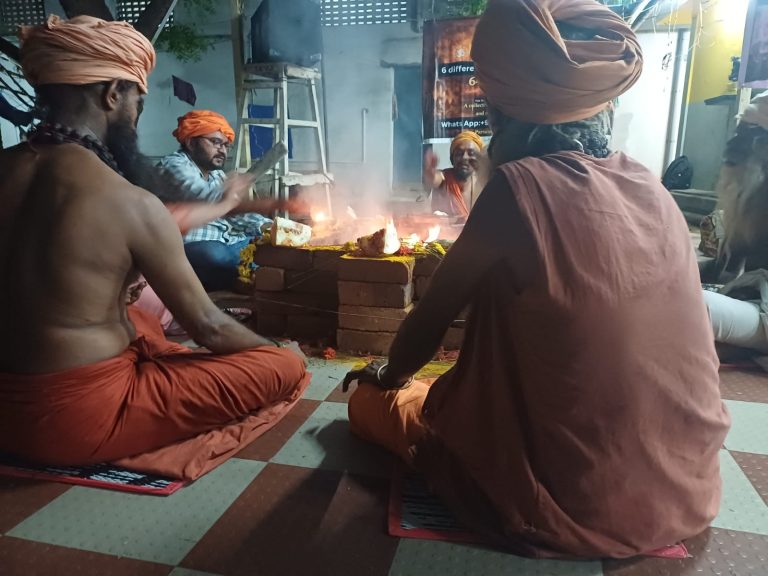
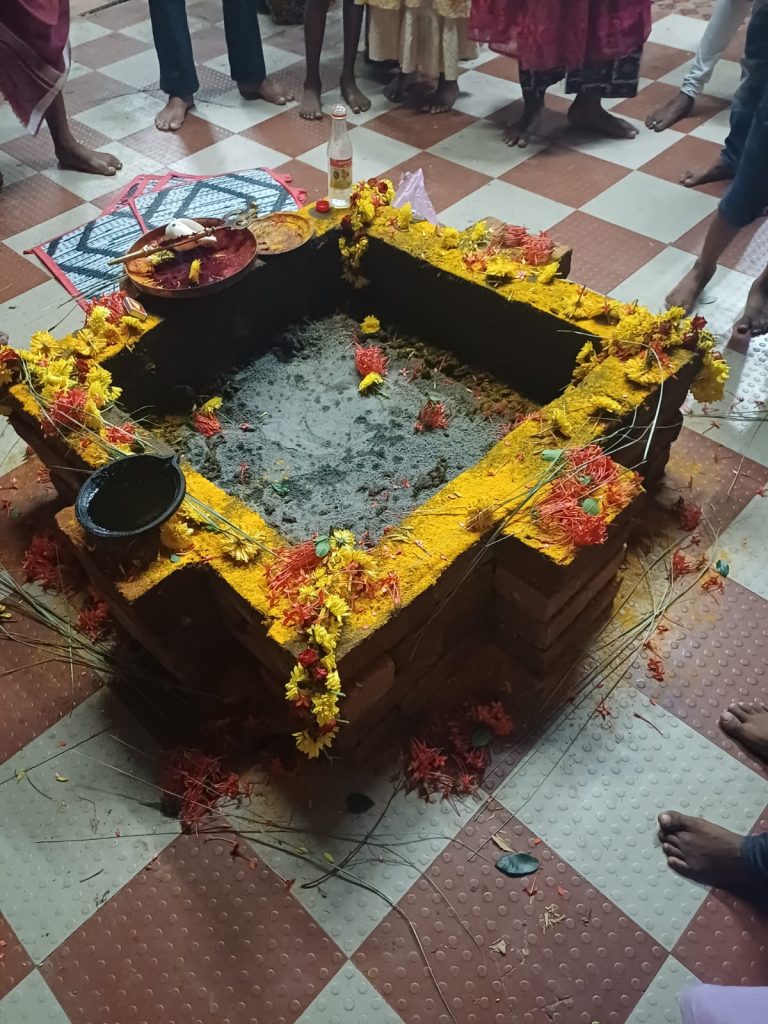
navaratri havan 9 th day ending with poornavathi devi sidhidatri.








Leave a Reply