<h2Introduction to the Eight Principal Yoginis
The Ashta Yoginis, or the Eight Principal Yoginis, are a group of powerful, tantric goddesses in Hindu mythology. They are believed to embody the qualities of the divine feminine and are often invoked in yoga and meditation practices to promote spiritual growth and self-realization. Each of the eight yoginis has a unique personality, role, and area of expertise, making them a fascinating subject of study for those interested in yoga philosophy and Hindu mythology.
The Eight Yoginis and Their Roles
The eight yoginis are: Mamaki, Saraswati, Lakshmi, Kaali, Tarini, Tripura, Bhuvaneshwari, and Bhairavi. Together, they represent the different aspects of the divine feminine, from creation and preservation to destruction and transformation. Mamaki, for example, is associated with the earth element and is often invoked for stability and grounding, while Saraswati is the goddess of knowledge and creativity. Lakshmi, on the other hand, is the goddess of prosperity and good fortune.
Spiritual Significance of the Ashta Yoginis
The Ashta Yoginis hold significant spiritual importance in yoga and meditation practices. They are believed to possess the power to awaken the kundalini energy, or the dormant energy that lies within each individual. By invoking the yoginis and embodying their qualities, practitioners can tap into their inner strength, creativity, and wisdom, leading to a deeper sense of self-awareness and spiritual growth. The yoginis are also associated with the different chakras, or energy centers, in the body, and are often invoked to balance and align the energy in each chakra.
Worship and Invocation of the Ashta Yoginis
The Ashta Yoginis are worshipped and invoked through various rituals, mantras, and meditation practices. In tantric tradition, the yoginis are often invoked through the use of yantras, or geometric symbols, and mantras, or sacred sounds. Practitioners may also use visualization techniques, such as imagining the yoginis in their respective forms, to connect with their energy and invoke their presence. The yoginis are also associated with different colors, gemstones, and fragrances, which are often used in rituals and meditation practices to enhance their invocation.
Benefits of Working with the Ashta Yoginis
Working with the Ashta Yoginis can bring numerous benefits, including increased self-awareness, spiritual growth, and empowerment. By invoking the yoginis and embodying their qualities, practitioners can develop a deeper understanding of themselves and the world around them. The yoginis can also help practitioners overcome obstacles, such as fear, doubt, and negativity, and can provide guidance and support on their spiritual journey. Additionally, the yoginis can help practitioners develop a stronger connection to their intuition, creativity, and inner wisdom.
- Increased self-awareness and spiritual growth
- Empowerment and confidence
- Overcoming obstacles and challenges
- Developing intuition, creativity, and inner wisdom
- Enhanced emotional balance and well-being
Frequently Asked Questions
Who are the Ashta Yoginis?
The Ashta Yoginis are a group of eight powerful, tantric goddesses in Hindu mythology.
What is the spiritual significance of the Ashta Yoginis?
The Ashta Yoginis hold significant spiritual importance in yoga and meditation practices, and are believed to possess the power to awaken the kundalini energy.
How can I invoke the Ashta Yoginis?
The Ashta Yoginis can be invoked through various rituals, mantras, and meditation practices, including the use of yantras, mantras, and visualization techniques.
What are the benefits of working with the Ashta Yoginis?
Working with the Ashta Yoginis can bring numerous benefits, including increased self-awareness, spiritual growth, and empowerment.
Can I work with the Ashta Yoginis if I'm a beginner?
Yes, anyone can work with the Ashta Yoginis, regardless of their level of experience or background. However, it’s recommended to approach their invocation and worship with respect, humility, and an open mind.
Test Your Knowledge and Win Coupons to Get Discounts
Related Products & Services

Tantrik yoga retreat with satyama.
Imagine a week where grand life lessons in love, spirituality and your sexuality can happen every day with a small…
€2,000
Connect on whatsapp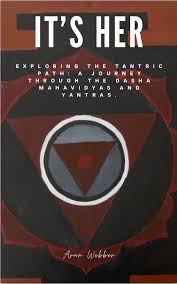
Its her (Paper back) Signed By Arun
Exploring the Tantric Path" is a comprehensive guide that delves into the sacred teachings of Tantra through the exploration of…
₹299
Order on WhatsApp
Learn yoni mudra Meditation With Arun.(Private , Group Online and Offline )
The Yoni Mudra is a powerful hand gesture that, when combined with specific breathing and mantras, can immediately generate high-frequency…
₹1,250
Order on WhatsApp
🌿 Private and Group Hatha, Vinyasa & Yoga Nidra Sessions with Lyubov
🔱Hatha, vinyasa yoga 🔱Yoga nidra 🌿What it will give?: ballance, inner peace, mindfulness, emotional release, relaxation, flexibility, strength, improve the…
₹0
Connect on whatsapp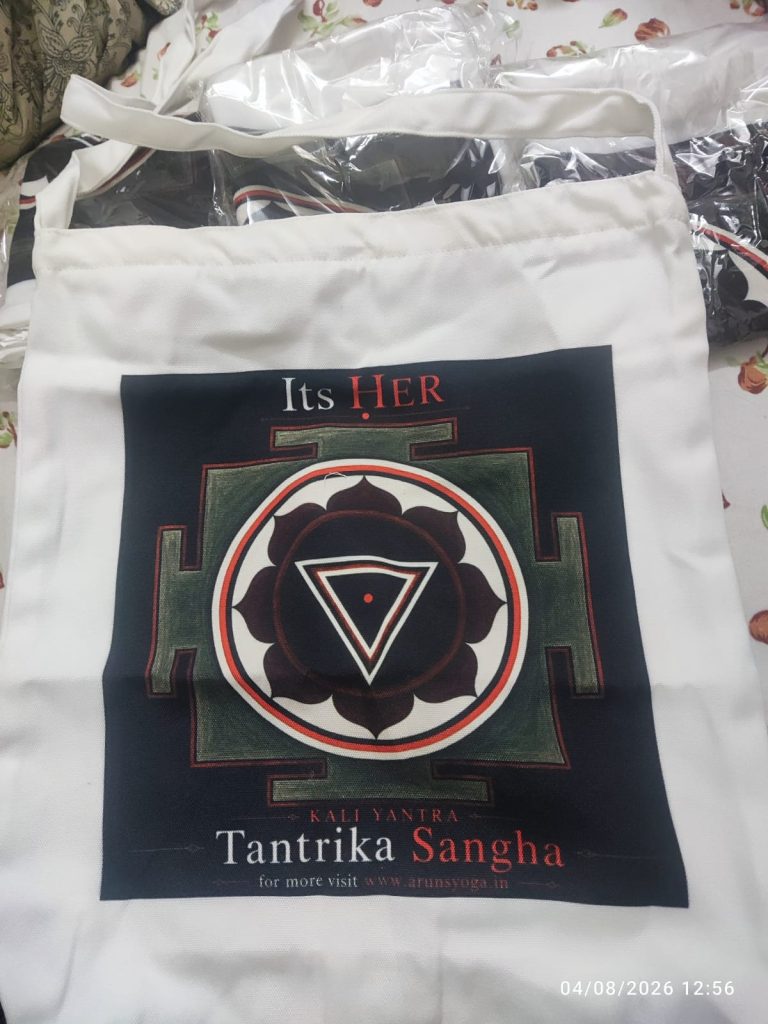
Kali Yantra Side Bags For Sangha By Arun
Carry your essentials with the protective presence of the Kali Yantra. Designed for spiritual practitioners and seekers, this side bag…
₹699
Order on WhatsApp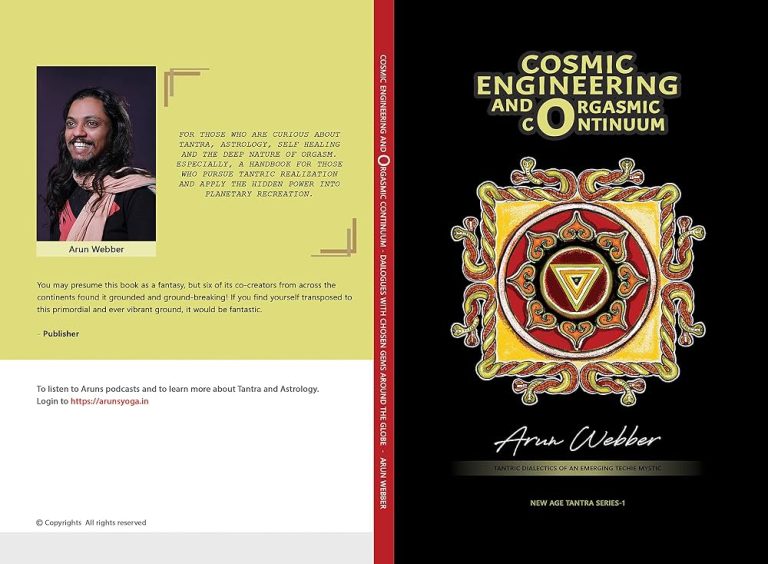
Cosmic engineering and orgasmic continum New age tantra series-1(Paper Back)
Cosmic Engineering And Orgasmic Continuum" is a 2021 spiritual book by Arun Webber that explores Tantra, self-healing, and the nature…
₹499
Order on WhatsApp
1-on-1 Online Yoga Session with Dolly Nigam
My sessions are suitable for beginners to intermediate practitioners, with personalized guidance based on your goals and abilities. What You'll…
₹800
Connect on whatsapp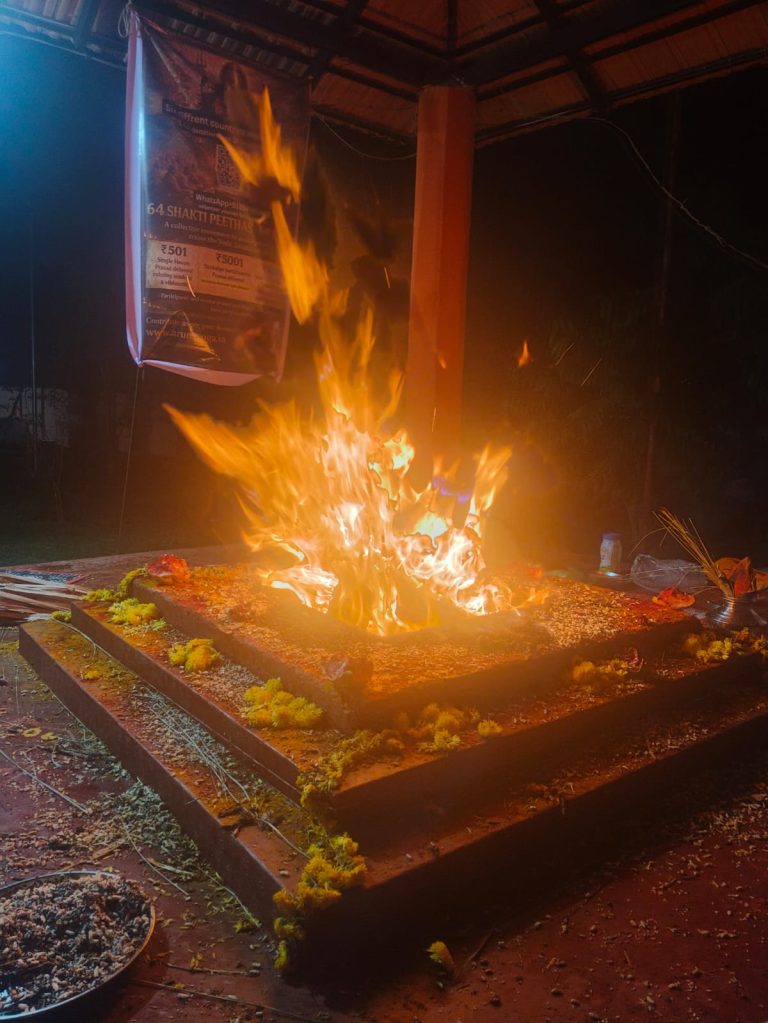
Private & Group Tantrik Havan
Conduct private and group Tantrik havans to increase and channelise energy in your own property, ashram, or spiritual centre.
₹50,000
Contact Today
Astrology and NLP with kavya.
At Kaviya Devendhiran – NLP Master Practitioner & Life Coach, we help individuals create positive and lasting transformation by changing…
₹500
Connect on whatsappMost Viewed Products And Services
Learn yoni mudra Meditation With Arun.(Private , Group Online and Offline )
The Yoni Mudra is a powerful hand gesture that, when combined with specific breathing and mantras, can immediately generate high-frequency…
₹1,250
Order on WhatsApp
🌿 Private and Group Hatha, Vinyasa & Yoga Nidra Sessions with Lyubov
🔱Hatha, vinyasa yoga 🔱Yoga nidra 🌿What it will give?: ballance, inner peace, mindfulness, emotional release, relaxation, flexibility, strength, improve the…
₹0
Connect on whatsapp
Kali Yantra Side Bags For Sangha By Arun
Carry your essentials with the protective presence of the Kali Yantra. Designed for spiritual practitioners and seekers, this side bag…
₹699
Order on WhatsAppHave a correction or improvement to suggest?
Log in or create a free accountRelated Videos

The cult of yoginis- A discussion with nilanjana And her books about yoginis.

In search of yoginis in nepal

Tibetan book of death and the yoginis Recoganisation of states while dying

My New Year message and the importance of shakthi and yoginis in coming years. #shakthi #yogini

Main And important classifications of yoginis

A document about the 64 yoginis there names and the meanings

Exploring Mystical Practices and Spiritual Growth

Kundalini Yoga Level 1 – A Simple Meditation Technique To Transmute Your Sexuality Into Creativity


Leave a Reply