Introduction to Yogini Temples
India, a land of diverse spiritual heritage, is home to numerous sacred sites that have been significant in the country’s religious and cultural landscape. Among these, the yogini temples stand out for their unique architectural beauty and profound spiritual significance. Yogini temples, dedicated to the worship of the goddess in her various forms, especially as the embodiment of feminine power, are scattered across India. However, many of these temples remain lesser-known, tucked away in remote areas or overshadowed by more popular tourist destinations.
History and Significance
The yogini temples, often associated with tantric practices and the worship of the divine feminine, hold a special place in Indian spirituality. These temples are not just places of worship but also serve as educational centers where ancient texts and practices are studied and performed. The yoginis, or female practitioners, play a crucial role in the rituals and ceremonies conducted in these temples, underscoring the importance of feminine energy in spiritual pursuits.
Exploring the Forgotten Yogini Temples
One of the most famous yet lesser-visited yogini temples is the Chausathi Jogini Temple in Odisha. This 9th-century temple is dedicated to the 64 yoginis, each representing a different aspect of the divine feminine. The temple’s unique hypaethral design, with an open roof, allows the sky to be the ceiling, symbolizing the infinite and the divine. Another significant site is the Hirapur Yogini Temple, also in Odisha, known for its beautifully crafted stone statues of the yoginis.
For those interested in delving deeper into the history and spiritual practices associated with these temples, a visit to the Bhairabi Temple in Gujarat is recommended. This temple, dedicated to the goddess Bhairabi, a form of the goddess Kali, offers insights into the tantric traditions of the region. The temple’s architecture and the rituals performed here reflect the blend of Hindu and tantric practices.
Preservation Efforts
Despite their cultural and historical significance, many yogini temples face challenges such as lack of maintenance, vandalism, and neglect. Efforts by local communities, NGOs, and governmental bodies are underway to preserve these sites and promote their importance. Visitors can contribute to these efforts by supporting local initiatives and respecting the sanctity of these places during their visits.
Conclusion
The forgotten yogini temples of India are not just historical relics but living, breathing entities that embody the spiritual essence of the country. For seekers of knowledge, spiritual enlightenment, and those interested in exploring the lesser-known aspects of Indian culture, these temples offer a unique and enriching experience. As one delves into the world of yogini temples, it becomes clear that these sacred sites are not merely tourist attractions but gateways to understanding the profound and complex spiritual heritage of India.
- Visit the Chausathi Jogini Temple in Odisha to witness the divine feminine in all her glory.
- Explore the Hirapur Yogini Temple for its exquisite stone carvings and historical significance.
- Support local preservation efforts to ensure the longevity of these sacred sites.
Frequently Asked Questions
What are yogini temples?
Yogini temples are sacred sites in India dedicated to the worship of the goddess in her various forms, embodying feminine power and associated with tantric practices.
Where can I find yogini temples in India?
Yogini temples are found in various parts of India, with notable ones in Odisha, such as the Chausathi Jogini Temple and the Hirapur Yogini Temple.
Why are yogini temples important?
Yogini temples are important for their unique architectural beauty, historical significance, and the role they play in preserving and promoting India’s spiritual heritage, particularly the worship of the divine feminine.
How can I contribute to the preservation of yogini temples?
You can contribute by supporting local preservation initiatives, respecting the sanctity of these sites during your visit, and spreading awareness about their importance.
What should I know before visiting a yogini temple?
Before visiting, it’s essential to understand the cultural and spiritual significance of the temple, dress appropriately, and be respectful of the local customs and practices.
Test Your Knowledge and Win Coupons to Get Discounts
Related Products & Services

Its her (Paper back) Signed By Arun
Exploring the Tantric Path" is a comprehensive guide that delves into the sacred teachings of Tantra through the exploration of…
₹299
Order on WhatsApp
Tantrik yoga retreat with satyama.
Imagine a week where grand life lessons in love, spirituality and your sexuality can happen every day with a small…
€2,000
Connect on whatsapp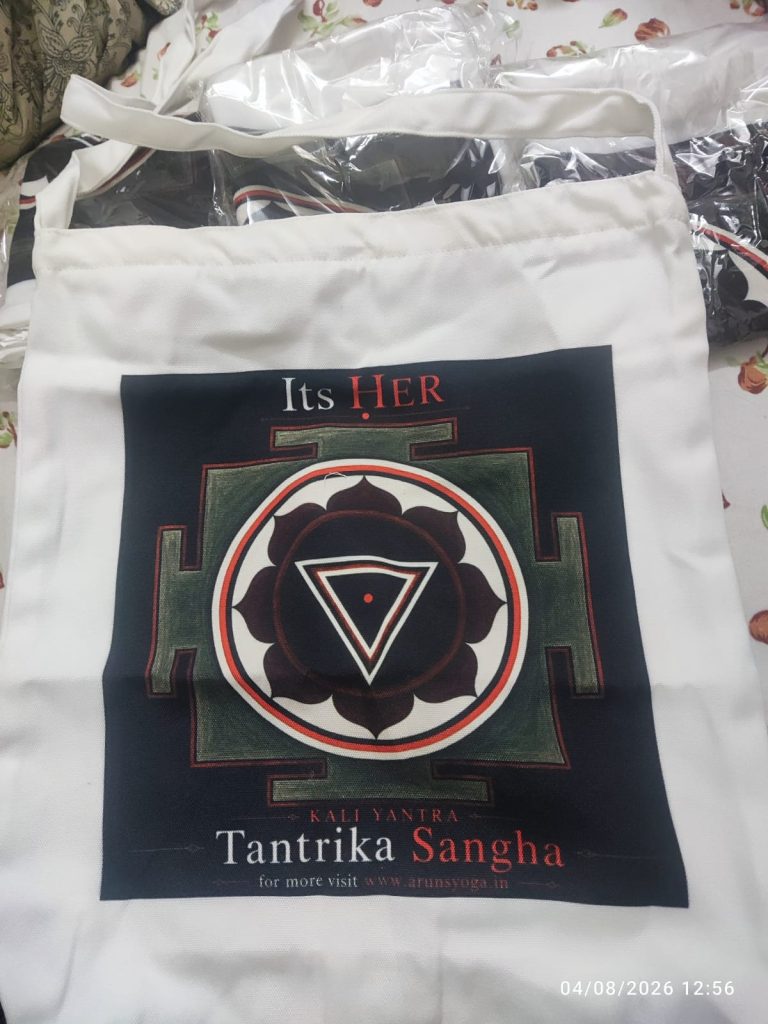
Kali Yantra Side Bags For Sangha By Arun
Carry your essentials with the protective presence of the Kali Yantra. Designed for spiritual practitioners and seekers, this side bag…
₹699
Order on WhatsApp
Learn yoni mudra Meditation With Arun.(Private , Group Online and Offline )
The Yoni Mudra is a powerful hand gesture that, when combined with specific breathing and mantras, can immediately generate high-frequency…
₹1,250
Order on WhatsApp
🌿 Private and Group Hatha, Vinyasa & Yoga Nidra Sessions with Lyubov
🔱Hatha, vinyasa yoga 🔱Yoga nidra 🌿What it will give?: ballance, inner peace, mindfulness, emotional release, relaxation, flexibility, strength, improve the…
₹0
Connect on whatsapp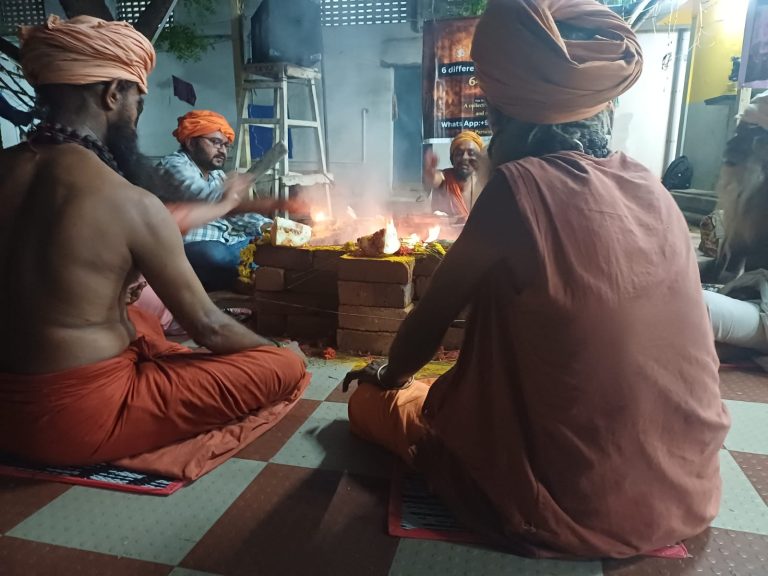
Perform a Sankalpa During Our Next Shakti Peetha Havan
Offer a Sankalpa for your specific intention during our next Shakti Peetha Havan. We will include your prayer in the…
₹5,000
Order on WhatsApp
Cosmic engineering and orgasmic continum New age tantra series-1(Paper Back)
Cosmic Engineering And Orgasmic Continuum" is a 2021 spiritual book by Arun Webber that explores Tantra, self-healing, and the nature…
₹499
Order on WhatsApp
Earrings with feathers of guacamayo
Beautiful handcrafted earrings made with authentic guacamayo (Amazon parrot) feathers and natural wooden beads. Created using only natural materials. Inspired…
€40
Order on WhatsApp
Read your chart With Arun
Read your birth chart alongside a tarot reading to identify the energetic blocks behind the challenges you are facing. Then,…
₹5,000
Order on WhatsAppMost Viewed Products And Services
Learn yoni mudra Meditation With Arun.(Private , Group Online and Offline )
The Yoni Mudra is a powerful hand gesture that, when combined with specific breathing and mantras, can immediately generate high-frequency…
₹1,250
Order on WhatsApp
🌿 Private and Group Hatha, Vinyasa & Yoga Nidra Sessions with Lyubov
🔱Hatha, vinyasa yoga 🔱Yoga nidra 🌿What it will give?: ballance, inner peace, mindfulness, emotional release, relaxation, flexibility, strength, improve the…
₹0
Connect on whatsapp
Kali Yantra Side Bags For Sangha By Arun
Carry your essentials with the protective presence of the Kali Yantra. Designed for spiritual practitioners and seekers, this side bag…
₹699
Order on WhatsAppHave a correction or improvement to suggest?
Log in or create a free accountRelated Videos

Importance of yogini temple. #yogini #tantra #orissa

#76 Yogini No-26 Chausath yogini temple @Hirapur Yogini No-26 Narasimhi,Simkamukhi

#96 Chausath yogini temple @Hirapur Yogini No-46 Kali.

#49 @Hirapur chausath yogini temple odisa travel vlog-49 (64 yogini)

My New Year message and the importance of shakthi and yoginis in coming years. #shakthi #yogini

#114 Yogini No-64 Vayu veena Chausath yogini temple @Hirapur.

#113 Yogini No-63 Surya putri. Chausath yogini temple @hirapur.

#111 Chausath yogini temple @hirapur Yogini No-61 Sarva Mangala.


Leave a Reply