 ARUN'S YOGA
 ARUNSYOGA
Understanding the Profound Teachings of Reality
The verses from the Tejobindu Upaniṣad present a fascinating inquiry into the nature of reality. This particular verse explores paradoxes that challenge our understanding of existence. It asserts that the world as we know it would only make sense under absurd conditions leading us to reflect on the deeper truths of life.
In these verses, the Upaniṣad explains a hypothetical scenario where Rāhu, a deity associated with eclipses, appears without the sun and moon. This imagery serves as a metaphor for the chaotic and unstable nature of worldly existence. The assertion that a roasted seed could sprout imagines a reality that defies natural laws, illustrating how perceptions of reality can be manipulated or are contingent upon our experiences.
Reality in Spiritual Context
When analyzing the verse further, we see that it challenges the idea of wealth and power. For instance, the notion that “a pauper enjoyed the wealth of the rich” speaks volumes about the transient nature of materialism. True wealth is often perceived as an illusion, and such comparisons between societal hierarchies reveal an emptiness embedded in these structures.
Moreover, we encounter another striking assertion: “a dog conquering a lion in strength.” This thought-provoking image flips the natural order, emphasizing that strength and power can be deceptive. It invites readers to reconsider how they perceive dominance and challenge preconceived notions about inferiority and superiority.
Fools and the Wise
Another captivating line states that “fools knew a jñāni’s heart,” presenting a paradox where ignorance might lead to a profound understanding. Here, the Upaniṣad highlights the differences between wisdom and folly, suggesting that true knowledge may exist beyond conventional wisdom, possibly within realms of intuitive understanding that cannot be easily articulated.
The closing imagery of a dog drinking the ocean encapsulates the vastness of the divine compared to the limitations of worldly comprehension. It is a reminder of the seemingly impossible and invites us to reflect on the limits of our perceptions of reality. How often do we perceive challenges bigger than ourselves, much like the vast ocean appears compared to a mere dog?
The Nature of Existence
Ultimately, these verses from the Tejobindu Upaniṣad present us with a philosophical tapestry that invites contemplation of existence, illustrating that reality may not be what it seems. Many traditions, especially in Indian philosophy, encourage the understanding that true enlightenment lies in recognizing the illusory nature of worldly attachments and the impermanence of material wealth.
The juxtaposition of the rich and the poor, the strong and the weak serves to remind us that all is transient. In reflecting on these paradoxes, one is encouraged to explore the deeper meanings of strength, virtue, and understanding beyond surface appearances.
As you ponder these verses, consider the elements in your life that mirror these paradoxes. What illusions might you be holding onto, and how could a deeper understanding of these teachings alter your reality? The journey into this wisdom is profound, inviting you to explore further the essence of existence as taught in the ancient Upaniṣads.
Frequently Asked Questions
What does the Tejobindu Upaniṣad suggest about the nature of reality?
It presents paradoxes that challenge our understanding and suggests that reality may depend on absurd conditions, highlighting the illusory nature of worldly attachments.
How does the Upaniṣad view wealth?
It portrays wealth as transient and emphasizes that true wealth is often an illusion, as evidenced by the statement that a pauper could enjoy the wealth of the rich.
What metaphors are used in the verses to illustrate strength and power?
The verses include metaphors such as a dog conquering a lion and a dog drinking the ocean, suggesting that perceptions of strength can be deceptive and challenging our understanding of dominance.
What is the significance of the line about fools knowing a jñāni's heart?
It indicates that ignorance might lead to deeper understanding, highlighting the differences between wisdom and folly.
What is the overall message of the verses from the Tejobindu Upaniṣad?
They encourage contemplation of existence and suggest that enlightenment lies in recognizing the impermanence of material wealth and the illusory nature of attachments.
Test Your Knowledge and Win Coupons to Get Discounts
Have a correction or improvement to suggest?
Log in or create a free accountRelated Videos
 If u think then you are thinking about the thought.Not about the reality.
 To experience reality we need to change the pattern of thought. Please learn to unlearn.
 Wealth.
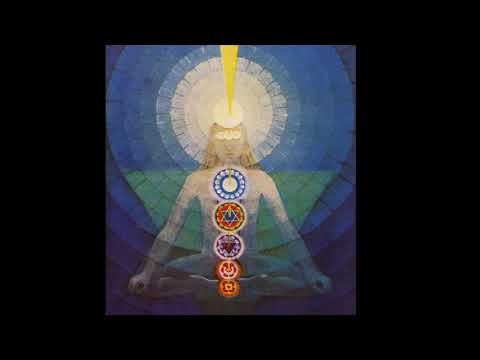 Kundalini Yoga - How It Helps Us To See Reality
 Understanding a deity.
 Why Yoga Isn't Crazy Understanding the True Power Behind the Practice
 Stepping Into Power How I Help Women Find Their True Strength
 Discovering the Powerful World of Mushrooms From Nature Walks to Magic Experiences









Leave a Reply