 ARUN'S YOGA
Additional Research Material
Understanding Kalaratri's Iconography
Kalaratri, often described as the most terrifying aspect of the Divine Mother, appears with a black complexion, wild hair, and a fierce countenance. She embodies the transformative power of destruction, which is essential for rebirth and renewal. Her worship during Navaratri emphasizes the need to confront and overcome darkness in one’s life, symbolizing the victory of light over ignorance. This fierce form is a reminder of the protective nature of the Divine Mother, who safeguards her devotees from harm.
Source: general tradition — no specific textual source
The Role of Devi in Navaratri
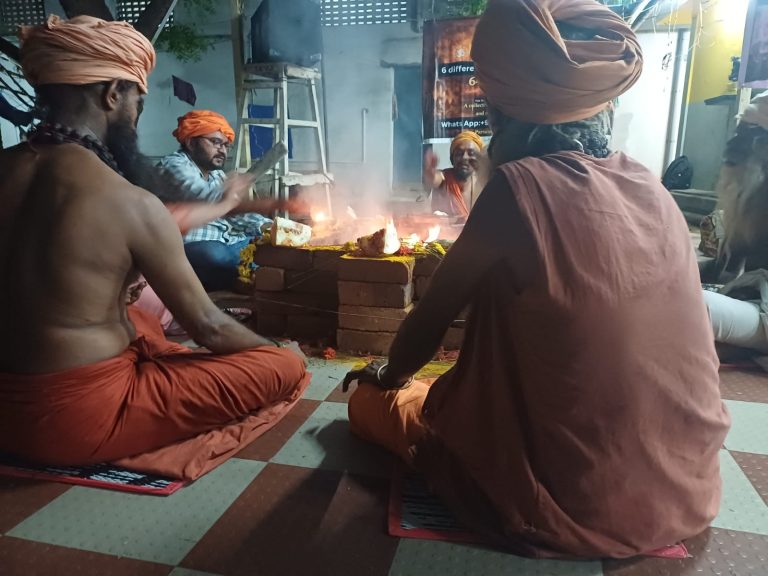
Navaratri is a significant festival that celebrates the feminine divine in various forms. Each day is dedicated to different aspects of the Goddess, showcasing her multifaceted nature. The rituals performed during this time, such as havans and japas, are intended to invoke the blessings of the Devi, fostering spiritual growth and inner strength. The seventh day, dedicated to Kalaratri, particularly emphasizes the importance of overcoming fears and obstacles, reinforcing the idea that the Divine Mother is always present to protect her devotees.
Source: general tradition — no specific textual source
More Videos
 Navaratri day 1 havan for devi shailaputri.
 6th day navaratri havan devi karthyayini.
 Navaratri havan day 4 devi kushmanda.
 Navaratri second day havan in mysore devi brahmacharini
 navaratri havan 9 th day ending with poornavathi devi sidhidatri.
 Day 3 havan devi chamdrakanta
 Navaratri havan day 5 skandamata.
 Navaratri havan day 8 gauri.









Leave a Reply