Introduction
Varuna occupies a pivotal position in early Vedic literature as the overseer of the cosmic ocean and the guardian of moral law (ṛta). While many modern readers associate him primarily with water, his influence extends to the regulation of truth, oath‑keeping, and the balance of the universe.
Mythological Origins
In the Rig Veda, Varuna is described as a king of the heavens, riding a celestial chariot drawn by seven horses. He is often paired with the god Indra, forming a duality of war and order. The earliest hymns portray him as the all‑seeing eye that watches over the world, punishing those who break vows.
Family and Consorts
Varuna’s primary consort is Varuni, the goddess of the sea and the source of the sacred Varuni wine used in Vedic rituals. Together they embody the fluidity of both physical water and the flow of moral truth.
Symbols and Iconography
Artists traditionally depict Varuna with a noose (pāśa) in one hand, symbolizing his power to bind transgressors, and a water pot (kumbha) in the other, representing abundance. He is often shown seated on a throne of sea shells, surrounded by marine creatures such as fish, turtles, and the mythical makara.
- Noose (Pāśa): Authority over oath‑keeping.
- Water Pot (Kumbha): Fertility and the life‑giving aspect of water.
- Makara Vehicle: The mythic sea‑monster that carries him across the cosmic ocean.
Rituals and Worship
Varuna’s worship was central to the Vedic fire ceremonies (yajñas) where the priest would invoke him to bless the waters used for purification. Offerings often included barley, honey, and a libation of water poured into the fire, symbolizing the return of the sacred element to the heavens.
In later Hindu practice, his worship shifted to specific water bodies such as rivers, lakes, and seas. Pilgrims perform ablutions while reciting prayers that acknowledge Varuna’s guardianship over the flow of life.
Key Mantras
The most common mantra is “Om Varunaya Namah,” repeated three times before any water‑related rite. This mantra is believed to invoke Varuna’s protection and ensure the purity of the ritual.
Varuna in Scripture Beyond the Vedas
While the Vedas highlight his cosmic role, later texts such as the Puranas reframe Varuna as the ruler of the western direction and the guardian of the celestial ocean surrounding the earth. In the Mahabharata, he appears as a judge who adjudicates disputes among the gods, reinforcing his connection to law and order.
Contemporary Relevance
Today, Varuna’s principles inspire environmental movements within Hindu communities. Temples near water bodies often organize river‑cleaning drives, invoking Varuna’s name to remind participants of their duty to preserve the natural world.
Moreover, his emphasis on truth and oath‑keeping resonates in modern ethical discussions, positioning Varuna as a timeless symbol of integrity.
Frequently Asked Questions
What element is Varuna primarily associated with?
Water
Which Vedic hymn most prominently features Varuna?
Rig Veda
What object does Varuna hold to symbolize his power over oaths?
A noose (pāśa)
Test Your Knowledge and Win Coupons to Get Discounts
Have a correction or improvement to suggest?
Log in or create a free accountRelated Videos

How the water molecules changes with the positive or negative vibrations.

Asuras are not daemons they are not scared of gods rather they worship gods.

Decoding Tantra, Astrology,Self-Healing: Insights from 'Cosmic Engineering and Orgasmic Continuum-5

Decoding Tantra, Astrology,Self-Healing: Insights from 'Cosmic Engineering and Orgasmic Continuum-4

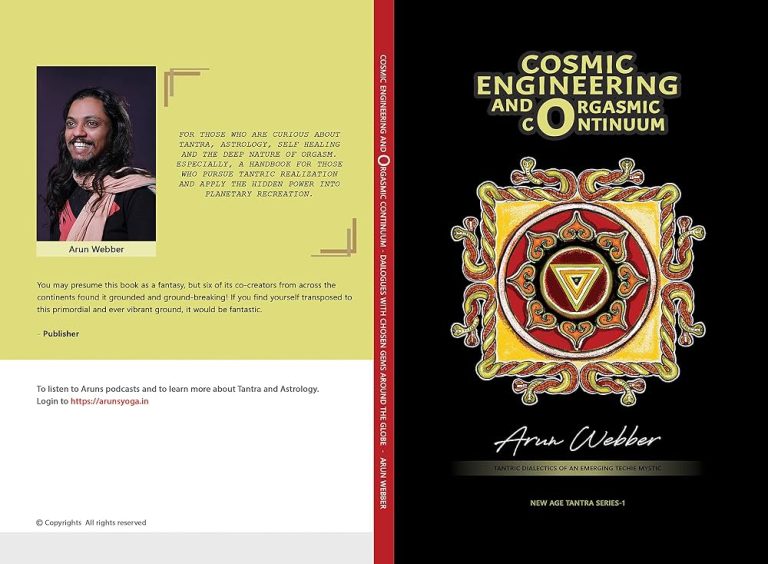
'Cosmic Engineering And Orgasmic Continuum' – Book

Nakshatra Garden: Cultivating 27 Nakshatra Trees for Cosmic Connection

Decoding Tantra, Astrology,Self-Healing: Insights from 'Cosmic Engineering and Orgasmic Continuum-3

Giving Tantrika Herbal Tea to random people – Order Now combo box is available






Leave a Reply