Introduction
Ahi Budhnya, whose name literally means “the serpent of the deep”, occupies a unique niche in the Vedic pantheon. While many familiar deities are linked to sky, fire or earth, Ahi Budhnya governs the hidden waters beneath the cosmic ocean, reminding practitioners that the unseen forces are as potent as the visible ones.
Mythological Origins
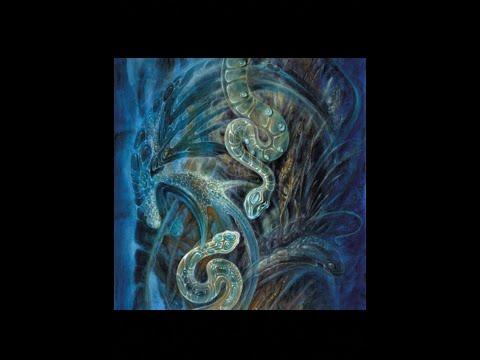
References to Ahi Budnya appear in the Rig Veda and later Brahmanas, often alongside the other “Ahi” beings such as Ahi Soma and Ahi Varuna. The myths describe a colossal serpent coiled in the primordial waters, whose movements generate the tides and whose breath nourishes the hidden life‑forces of the world.
One popular hymn portrays Ahi Budhnya as the guardian of the subterranean rivers that feed the sacred Ganga. By protecting these hidden currents, the deity ensures the continuity of fertility, health, and spiritual purity.
Ritual Role
In ancient Vedic ceremonies, priests would invoke Ahi Budhnya during rites that involve water purification, rain‑making, and the consecration of underground wells. The deity’s name is chanted at the beginning of the Agnihotra when the fire is fed with water‑infused offerings, symbolising the union of fire and the deep sea.
- Invocation during Somayajna for rain.
- Offerings of milk and honey to underground pits, acknowledging the serpent’s sustenance.
- Recitation of specific verses from the Yajur‑Samhita that praise Ahi Budhnya’s protective qualities.
Symbolic Meaning
Beyond the literal, Ahi Budnya serves as a metaphor for the subconscious mind. The deep‑sea realm represents hidden thoughts, fears, and potentials that surface only when properly cultivated. Practitioners who meditate on the serpent’s coiled form often report insights into personal transformation and resilience.
Because the serpent can both destroy and regenerate, Ahi Budhnya embodies the paradox of creation: the same waters that can drown also give rise to new life. This duality is reflected in the Vedic concept of ṛta, the cosmic order that balances opposites.
Modern Relevance
Contemporary teachers of Vedic spirituality still invoke Ahi Budhnya when designing rituals for ecological healing or when guiding students through deep meditation practices. The deity’s emphasis on hidden water sources aligns with modern concerns about groundwater preservation and sustainable water management.
Many yoga studios now incorporate a short “Ahi Budnya chant” at the end of classes that focus on the throat and sacral chakras, encouraging students to tap into the fluid, transformative energy of the deep sea.
Conclusion
Although Ahi Budnya does not enjoy the fame of Indra or Agni, the deep‑sea serpent offers a rich tapestry of myth, ritual, and symbolism that remains vital for those seeking a fuller appreciation of Vedic cosmology. By honoring the unseen currents beneath the surface, practitioners connect with a lineage of wisdom that spans millennia.
Frequently Asked Questions
What does the name Ahi Budhnya literally translate to?
It means “the serpent of the deep” or “deep‑sea serpent”.
Which Vedic text contains hymns that mention Ahi Budhnya?
The Rig Veda and the Yajur‑Samhita contain references to Ahi Budhnya.
In which type of Vedic ceremony is Ahi Budhnya commonly invoked?
Ahi Budhnya is commonly invoked during rain‑making and water purification rites such as the Somayajna.
How is Ahi Budhnya symbolically related to the subconscious mind?
The deep‑sea realm he governs represents hidden thoughts and potentials that surface through meditation.
Test Your Knowledge and Win Coupons to Get Discounts
Have a correction or improvement to suggest?
Log in or create a free accountRelated Videos

Vedic Reading Series Episode No. 18: 'The Serpent Wisdom' with Valentina Leo – Hasta Nakshatra

Giving offering to serpent energies on naga panchami. #nakshatravanam
The Serpent Wisdom

Shadow work goes really deep into subconscious.

Jungs shadow work is a good tool to jump into deep inside mind.

Geometry and spirituality a deep connection

A deep discussion on tantra.

yoga then vs now the shift from deep experiences to fitness







Leave a Reply