Who Is Bhavani?
Bhavani is a powerful manifestation of the Divine Mother (Shakti) worshiped primarily in the Deccan region of India. She embodies both nurturing compassion and fierce protection, often depicted wielding a trident or sword and standing atop a lion or tiger. Her name derives from the Sanskrit root bhava, meaning existence or being, underscoring her role as the source of all life.
Mythological Origins and Legends
In various Puranic texts, such as the Devi Bhagavata Purana, it is described that Bhavani is an incarnation of Parvati, who manifested to combat evil forces threatening the cosmic order.
Connection with Other Deities
Bhavani is often identified with Durga, Kali, and the regional goddess Renuka. In many temples, she is worshipped alongside Shiva, reflecting the timeless union of masculine and feminine cosmic energies.
Major Shrines and Pilgrimage Sites
- Bhavani Temple, Maharashtra – Nestled on the banks of the Bhavani River, this site attracts thousands during the annual Bhavani Utsav.
- Guruvayur Bhavani (Kerala) – A lesser‑known sanctuary where devotees offer coconut and turmeric.
- Shakti Peetha of Bhavani, Karnataka – Recognized as one of the 51 Shakti Peethas, believed to hold a fragment of the goddess’s sandalwood scent.
Rituals and Worship Practices
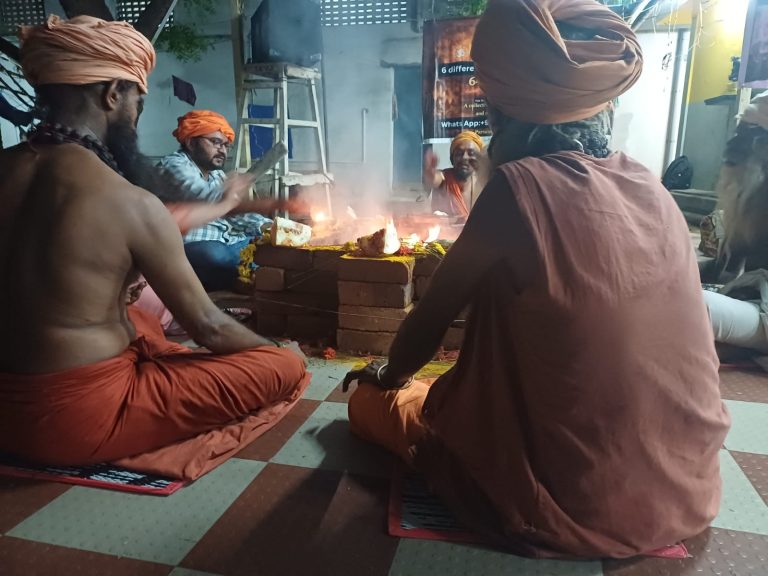
Devotees honor Bhavani through various regional chants and fire offerings (homa), particularly during festivals like Navratri, where her fierce nature is celebrated.
Typical offerings include red flowers, jaggery, and the traditional panchamrit mixture. Women often tie a red thread around their wrists, invoking Bhavani’s protection for family health and prosperity.
Cultural Impact and Festivals
Beyond temple walls, Bhavani’s image appears in folk songs, dance dramas (such as Bhavani Keli), and regional crafts. The annual Bhavani Jatra in Maharashtra features a vibrant procession of decorated elephants, drummers, and a symbolic reenactment of Bhavani’s victory over Mahishasura.
Her influence also extends to local cuisine; many households prepare a special sweet called Bhavani laddoo during festivals, believed to bring blessings of abundance.
Modern Relevance
In contemporary spirituality, Bhavani is invoked for empowerment, especially by women seeking strength in personal and professional realms. Yoga studios across India name their power‑building sequences “Bhavani Flow,” emphasizing resilience and inner fire.
Frequently Asked Questions
What animal is Bhavani commonly depicted with?
Lion or tiger
Which major festival honors Bhavani with elaborate rituals?
Navratri
In which Indian state is the famous Bhavani Temple located?
Maharashtra
Bhavani's Victory Over Mahishasura
The story of Bhavani’s battle with Mahishasura is a central theme in the Devi Mahatmya, where she is depicted as a fierce warrior who defeats the buffalo demon, symbolizing the triumph of good over evil.
Bhavani in the Devi Mahatmya
In the Devi Mahatmya, Bhavani’s narrative unfolds as she battles the demon Mahishasura, illustrating her fierce nature and protective qualities. This text is a crucial source for understanding her significance in the Shakta tradition.
Rituals Specific to Bhavani
Rituals dedicated to Bhavani often include the recitation of the Durga Saptashati, particularly during Navratri, where her fierce aspects are invoked to seek protection and blessings.
Test Your Knowledge and Win Coupons to Get Discounts
Have a correction or improvement to suggest?
Log in or create a free accountRelated Videos

navaratri havan 9 th day ending with poornavathi devi sidhidatri.

Navaratri havan day 8 gauri.

Navaratri havan day 7 devi kalaratri.

6th day navaratri havan devi karthyayini.

Navaratri havan day 5 skandamata.

Navaratri havan day 4 devi kushmanda.

Day 3 havan devi chamdrakanta

Navaratri second day havan in mysore devi brahmacharini








Leave a Reply