Introduction to Ekavaera
Ekaveera (sometimes spelled Ekavira) is a lesser‑known but profoundly powerful goddess in the Shakti tradition of South India. While she does not appear in the major pan‑Indian epics, regional folklore and temple lore elevate her as a fierce protector of villages, a champion of justice, and a source of divine feminine energy.
Mythological Origins
According to oral tradition from the Western Ghats, Ekaveera was born from the tears of the goddess Parvati when she mourned the loss of a brave warrior who died defending his people. Those tears coalesced into a radiant form, a solitary figure wielding a spear and shield, ready to answer any call for protection.
Key Legends
- When a band of marauding invaders threatened the ancient town of Banavasi, Ekaveera descended in a storm of wind and fire, scattering the enemy and restoring peace.
- In the tale of the Rudra Yaga, a king sought her blessing to complete a ritual. Ekaveera appeared, demanding a promise to protect the poor; the king complied, and the ritual succeeded.
- She is said to have taught the local priestess the secret mantra Om Ekaveeraya Namah, which still resonates in chants today.
Major Shrines and Pilgrimage Sites
Ekaveera’s most important temple stands at Shivaganga in the Uttara Kannada district. The sanctum houses a bronze statue of the goddess astride a lion, holding a trident. Pilgrims travel from Mysore, Hubli, and even as far as Goa to offer naivedya (food offerings) and tie red ribbons around the sanctum’s pillar, symbolising devotion.
Other notable sites include:
- The hilltop shrine at Gandikota, known for its sunrise rituals.
- The riverbank temple at Kodachadri, where devotees perform a ceremonial bath before entering.
Rituals and Festivals
Ekaveera’s primary festival, Ekavira Jatra, occurs during the full moon of the month of Kartik. The celebration spans three days, featuring:
- Processions with drums, conch shells, and dancers dressed as ancient warriors.
- Community feasts where rice, jaggery, and coconut are shared.
- Nighttime fire‑walking ceremonies symbolising the triumph of courage over fear.
Daily worship includes lighting a lamp with sesame oil, chanting the mantra mentioned earlier, and offering fresh flowers, especially marigold and jasmine.
Cultural Impact and Modern Relevance
In contemporary Karnataka, Ekaveera is invoked during legal battles, political rallies, and even by athletes seeking strength. Her image appears on local handicrafts, embroidered saris, and folk songs that echo her heroic deeds.
Scholars note that Ekaveera embodies the archetype of the “protector‑mother” – a deity who combines nurturing care with uncompromising defense. This duality resonates with modern audiences seeking empowerment while staying rooted in tradition.
Frequently Asked Questions
Where is the main temple of Ekaveera located?
Shivaganga in Uttara Kannada district.
What mantra is traditionally chanted to honor Ekaveera?
Om Ekaveeraya Namah.
During which month is the Ekavira Jatra celebrated?
Kartik.
What animal does Ekaveera ride in her iconic statue?
A lion.
Which material is used for the daily lamp offering?
Sesame oil.
Test Your Knowledge and Win Coupons to Get Discounts
Have a correction or improvement to suggest?
Log in or create a free accountRelated Videos

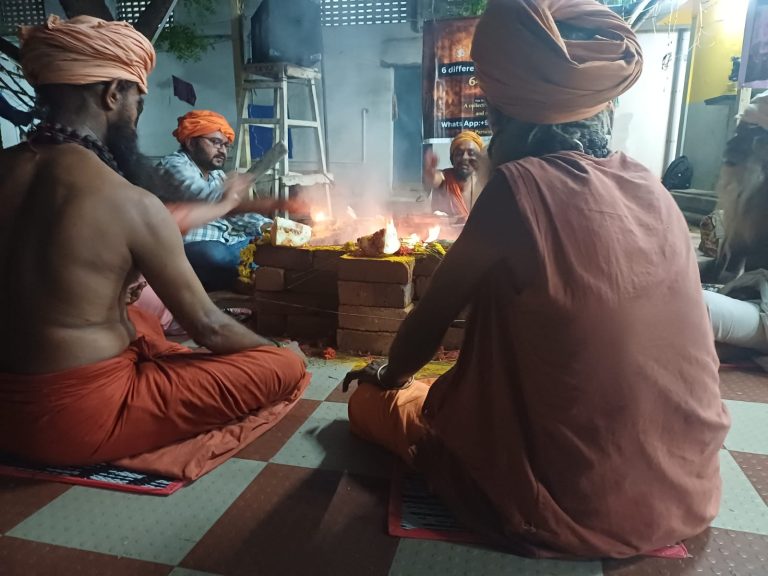
Navaratri day 1 havan for devi shailaputri.

packing prasad to everyone who has contributed on srisailam havan.

Jogulamba Temple The Next Havan location 6th of 64

5th Havan of the 64 Shakti Peeth Havan — Srisailam

Fifth havan out of 64 in srisailam.

At India's largest tiger reserve getting ready for our fifth havan. all are welcome

Pvt group initiation into yoni mudra and tantra @mysore.

Kali yantra bags are available









Leave a Reply