Who Is Ratri?
Ratri, whose name simply means “night” in Sanskrit, is a lesser‑known but essential deity in the Hindu pantheon. She embodies the darkness that follows sunset, offering protection, rest, and the promise of renewal when dawn returns.
Origins and Symbolism
According to the Vedas and later Puranic texts, Ratri is described as the sister of Ushas, the dawn goddess. While Ushas heralds light, Ratri governs the period of quiet and introspection. She is often depicted seated on a dark lotus, holding a lamp that symbolizes the inner light within darkness.
Key Symbolic Elements
- Dark lotus – represents purity that blooms even in night.
- Moon’s crescent – signifies her connection to lunar cycles.
- Silent drums – echo the rhythmic heartbeat of the sleeping world.
Mythological Narratives
One popular tale recounts how Ratri and Ushas were born from the cosmic void, each taking turns to rule the sky. When the asuras attempted to extinguish all light, Ratri’s veil of darkness concealed the gods, allowing them to regroup and eventually restore balance.
Another story describes Ratri’s role in the epic “Mahabharata,” where she offers a calm sanctuary to weary warriors, granting them peaceful dreams before the next battle.
Ratri in Worship and Rituals
Although there are few temples dedicated solely to Ratri, she is invoked during night‑time prayers, especially in the practice of Sandhya (twilight) rituals. Devotees light oil lamps (diyas) and chant verses from the “Ratri Sukta” to seek protection from nightmares and to honor the natural cycle of rest.
Common offerings include white flowers, rice, and sweetened milk, all placed before a lamp as a symbol of inner illumination amidst darkness.
Comparisons with Other Night Deities
Ratri shares attributes with Greek Nyx and Roman Nox, yet her role is uniquely integrated into the Hindu concept of cyclical time. Unlike Nyx, who is often portrayed as a primordial force of chaos, Ratri is a caretaker who preserves cosmic order during the night.
Modern Relevance
In contemporary spirituality, Ratri is embraced by those who practice meditation at night, using her energy to deepen introspection. Yoga teachers may dedicate the final relaxation pose (Savasana) to Ratri, encouraging students to surrender to the darkness within and emerge renewed.
Frequently Asked Questions
Who are the siblings of Ratri?
Ushas (the Dawn goddess) and sometimes Pratyusha (the Morning star).
What is the primary symbol associated with Ratri?
The dark lotus, representing purity in darkness.
How is Ratri traditionally honored in Hindu rituals?
By lighting lamps and reciting the Ratri Sukta during night prayers.
Which ancient text mentions Ratri most prominently?
The Rigveda, especially in the Ratri Sukta.
Test Your Knowledge and Win Coupons to Get Discounts
Have a correction or improvement to suggest?
Log in or create a free accountRelated Videos

Navaratri day 1 havan for devi shailaputri.

packing prasad to everyone who has contributed on srisailam havan.

Jogulamba Temple The Next Havan location 6th of 64

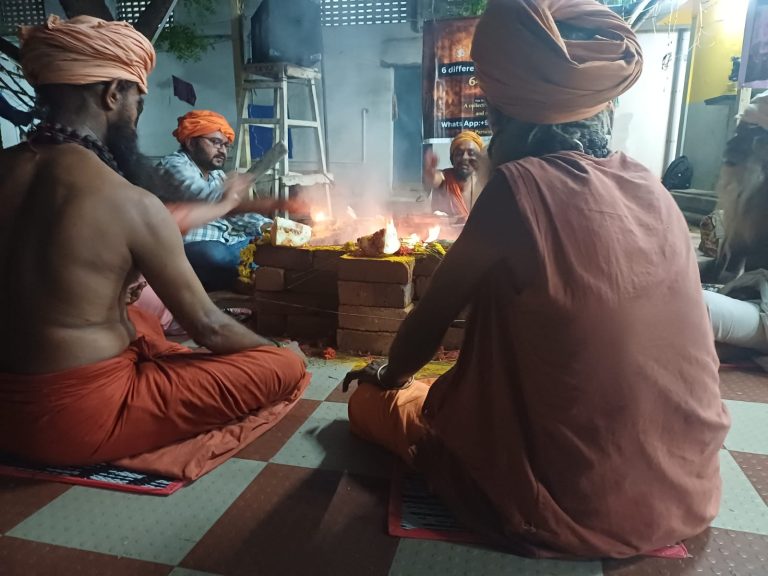
5th Havan of the 64 Shakti Peeth Havan — Srisailam

Fifth havan out of 64 in srisailam.

At India's largest tiger reserve getting ready for our fifth havan. all are welcome

Pvt group initiation into yoni mudra and tantra @mysore.

Kali yantra bags are available









Leave a Reply