Introduction to Mhasoba’s Historical Record
The rural deity Mhasoba has been a focal point of worship in Maharashtra for centuries. While modern festivals and temple architecture receive much attention, the underlying historical sources—both written and oral—provide crucial insight into how the deity’s identity formed and transformed over time.
Early Literary Mentions
Scholars have identified several medieval manuscripts that reference Mhasoba, often in the context of agrarian rituals. The Shivaji-era gazetteers compiled by the Maratha administration include brief entries describing local gods, and Mhasoba appears alongside other pastoral deities such as Khandoba and Panduranga. These gazetteers highlight the deity’s association with cattle protection and fertility.
Epigraphic Evidence
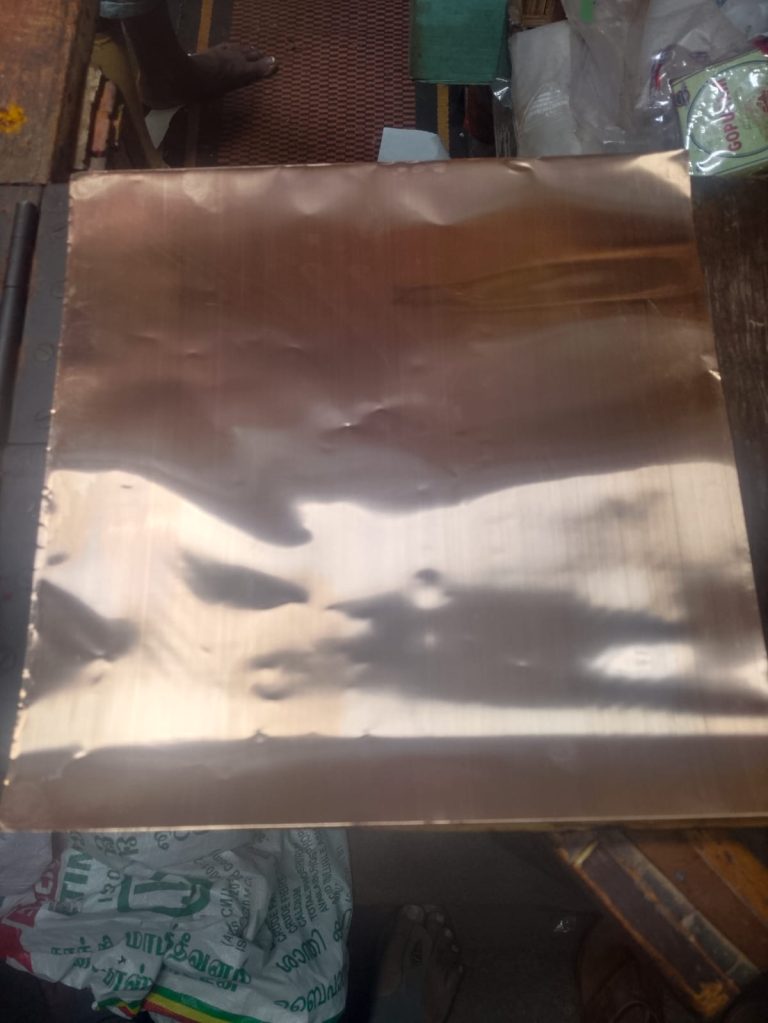
Stone inscriptions dated between the 12th and 15th centuries CE have been discovered in the Satara and Kolhapur districts. One notable example is a copper‑plate grant from 1328 CE that records a land donation to a shrine dedicated to Mhasoba. The inscription, written in early Marathi‑Devanagari script, emphasizes the deity’s role as a guardian of agricultural yields.
Regional Chronicles
Local bhakti poets, known as Varkari saints, occasionally mention Mhasoba in their abhangs. Though the references are brief, they reveal a reverence that co‑exists with mainstream Shaiva devotion, suggesting a syncretic worship pattern.
Oral Traditions and Folk Narratives
Beyond the written record, the oral tradition carries a wealth of stories that have been transmitted through generations of village elders, priests, and wandering bards.
- Legend of the Buffalo Warrior: A tale recounts Mhasoba as a heroic buffalo who defended a village from invaders, later deified for his bravery.
- Song of the Harvest Moon: Folk songs sung during post‑harvest celebrations invoke Mhasoba’s blessings for a bountiful next season.
- Ritual Narratives: During the annual Jatra, a dramatized retelling of Mhasoba’s mythic battle with a rival spirit is performed, preserving the narrative’s core elements.
These oral accounts often fill gaps left by the sparse textual evidence, providing cultural context that written sources may overlook.
Comparative Analysis with Neighboring Deities
When examined alongside the historical sources of Khandoba and Shiva, Mhasoba’s documentation shows a distinct pattern: a stronger reliance on local epigraphy and oral folklore rather than pan‑Indian scriptures. This underscores the deity’s deep roots in agrarian life and regional identity.
Preservation Challenges and Modern Research
Many inscriptions have suffered weathering, and oral narratives risk fading as younger generations migrate to urban centers. Contemporary researchers employ digital recording, GIS mapping of shrine sites, and interdisciplinary collaborations to safeguard these sources.
Understanding Mhasoba’s historical sources not only enriches academic knowledge but also empowers local communities to preserve their intangible heritage for future generations.
Frequently Asked Questions
What is the earliest known written reference to Mhasoba?
A 12th‑century Maratha gazetteer that lists Mhasoba among regional deities.
Which type of inscription mentions a land grant to a Mhasoba shrine?
A copper‑plate grant dated 1328 CE from the Satara region.
How do oral traditions complement the epigraphic record for Mhasoba?
They provide mythic narratives, ritual details, and cultural context absent from stone inscriptions.
Which folk song genre commonly praises Mhasoba during harvest?
The “Song of the Harvest Moon” performed in post‑harvest celebrations.
What modern method helps preserve Mhasoba’s oral histories?
Digital audio recording combined with community workshops.
Test Your Knowledge and Win Coupons to Get Discounts
Have a correction or improvement to suggest?
Log in or create a free accountRelated Videos

Understanding a deity.

Tara The Fierce deity who consume meat and alcohol.
Deity of a Nakshatra.

What is deity??

Asuras are not daemons they are not scared of gods rather they worship gods.

are your sexual drives written in the stars vedic astrology and relationship compatibility

Tagata shrine

Asthavakra geetha written for Janka by Rishi Asthavakra to explain what is real and unreal.





Leave a Reply