Introduction
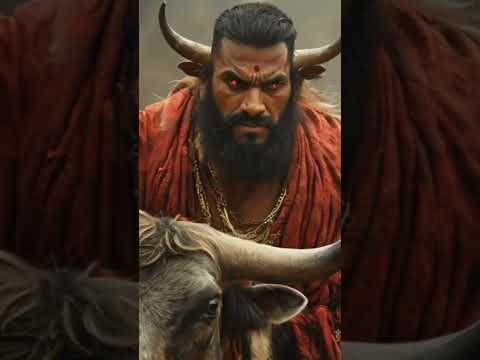
Mhasoba, a pastoral deity worshipped across the villages of western India, is often depicted alongside a sturdy buffalo. This partnership is not a random artistic choice; it carries deep layers of meaning that reflect the agrarian life, protective instincts, and mythic narratives of the communities that honor him.
Historical Roots of the Buffalo Association
Historical records and oral traditions indicate that the buffalo became linked to Mhasoba during the early medieval period, when dairy and draught animals formed the backbone of rural economies. Temple inscriptions from the 12th century describe offerings of milk, butter, and even the symbolic sacrifice of a buffalo to ensure a bountiful harvest.
Mythic Episodes
One popular legend tells of a flood that threatened a farming village. Mhasova, the buffalo, is said to have plunged into the raging waters, holding a divine stone that calmed the flood. This act cemented the animal’s role as a guardian of life‑giving water and a symbol of steadfast devotion.
Symbolic Meanings in Rural Context
Several themes emerge when examining the buffalo’s symbolism:
- Strength and Endurance: The buffalo’s muscular build mirrors the physical resilience required of farmers during planting and harvest seasons.
- Fertility: As a prolific provider of milk, the animal represents both literal and metaphorical nourishment, linking Mhasoba to the fertility of the fields.
- Protection: The buffalo’s defensive nature is interpreted as a shield against evil forces, disease, and environmental calamities.
- Community Cohesion: Shared rituals involving the buffalo reinforce collective identity, reminding villagers that their well‑being is interdependent.
Ritual Practices Centered on the Buffalo
During the annual Mhasoba Yatra, a live buffalo may be paraded around the village, adorned with garlands and cloths dyed in saffron and ochre. The procession culminates at the shrine where priests chant hymns that invoke both Mhasoba and his bovine companion.
In daily worship, families often keep a symbolic miniature buffalo made of clay or wood on their home altars. Offerings of freshly churned butter, sugarcane, and a handful of millet are placed beside the idol, reinforcing the bond between deity, animal, and sustenance.
Comparative Symbolism: Mhasoba and Other Deities
While Shiva is associated with the bull Nandi, Mhasoba’s buffalo differs in temperament and purpose. Nandi embodies ascetic stillness, whereas the buffalo signifies active, earthly labor. This contrast highlights how regional deities adapt universal symbols to address local concerns.
Contemporary Relevance
In modern times, as mechanization replaces animal labor, the buffalo’s image serves as a reminder of the cultural heritage that still shapes village values. NGOs working in rural development often invoke Mhasoba’s symbolism to promote sustainable agriculture, using the buffalo as an emblem of ecological balance.
Conclusion
The buffalo in Mhasoba worship is far more than a decorative companion; it is a living metaphor for the intertwined fate of the farmer, the land, and the divine. Understanding this symbolism offers insight not only into a specific deity but also into the broader worldview of Maharashtra’s rural heartland.
Frequently Asked Questions
Why is the buffalo considered a protective figure in Mhasoba worship?
Because legends portray the buffalo shielding the village from floods and evil forces, embodying physical strength and guardianship.
What primary offering is made to the buffalo icon during the Mhasoba Yatra?
Churned butter, often accompanied by sugarcane and millet.
How does the buffalo differ from Shiva’s bull Nandi in symbolism?
The buffalo emphasizes active, earthly labor and community sustenance, while Nandi reflects ascetic stillness and spiritual calm.
What role does the buffalo play in modern sustainable‑agriculture campaigns?
It serves as an emblem of ecological balance, reminding people of traditional, low‑tech farming methods.
Test Your Knowledge and Win Coupons to Get Discounts
Have a correction or improvement to suggest?
Log in or create a free accountRelated Videos
#148 Yama is the lord of bharani nakshatra. And the god of death. 2-27

Sacrificing animals are not a blood bounded ritual rather it is devotion.

Fundamentals Of Vedic Astrology -4 (Nakshtras Qualities and Symbolism)

Understanding a deity.

Deities can be in any form.

What is deity??

Deity of a Nakshatra.

Giving offerings to the nagadevatha in nakshatra vanam.








Leave a Reply