Introduction
Mhasoba is a name that resonates across the villages of western Maharashtra. Unlike the pan‑Indian gods found in classical scriptures, Mhasoba belongs to a local pantheon that blends tribal animism with Hindu devotional practices. This article examines the historical, mythological, and cultural layers that have shaped his worship from ancient times to the present day.
Historical Roots
Scholars trace Mhasoba’s origins to the early Deccan tribal societies that inhabited the Sahyadri foothills. These groups revered a buffalo‑like spirit associated with fertility, protection of cattle, and rain. When Brahmanical Hinduism spread into the region during the Satavahana and later Yadav periods, the tribal deity was assimilated, acquiring the name Mhasoba—literally “Lord of the Buffalo.”
Early Tribal Connections
Archaeological findings at sites such as Jogeshwari and Junnar reveal stone carvings of horned figures predating the 5th century CE. Local oral traditions suggest these figures represent a precursor to Mhasoba, indicating a continuity of worship that survived the transition from tribal rites to Hindu temple culture.
Mythic Narratives
Unlike the canonical epics, Mhasoba’s stories are transmitted orally through folk songs, bhajans, and the tamasha theatre of Maharashtra. One popular legend recounts how Mhasoba intervened to save a village from a devastating drought by urging the god Indra to release rain, thereby cementing his status as a protector of agrarian life.
Stories of Mhasoba
Another tale describes Mhasoba’s rivalry with the village’s primary deity, Khandoba. Rather than a conflict, the narrative portrays a harmonious coexistence, reflecting the syncretic nature of regional worship where multiple deities protect different aspects of community well‑being.
Worship Practices
Devotees honor Mhasoba in simple shrines, often located under large trees or near water bodies. Rituals involve offering milk, jaggery, and sometimes a freshly slaughtered buffalo—symbolic of returning the animal’s spirit to its divine patron.
Festivals and Rituals
During the annual Mhasoba Jatra, villages organize processions with decorated bullock carts, folk dances, and a communal feast. The event serves both religious and social functions, reinforcing community bonds and preserving local heritage.
- Morning puja with milk and incense
- Evening bhajans sung in the Marāthi dialect
- Community feasting with regional dishes like bhakri and pithla
Cultural Impact
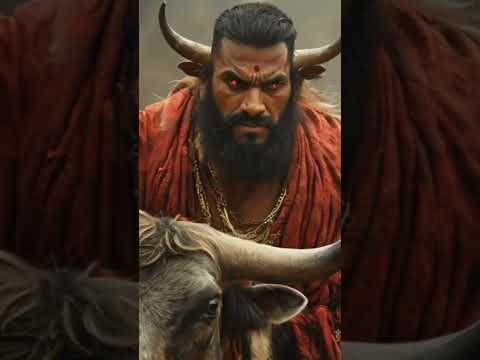
Mhasoba’s image appears in rural art forms, from mural paintings on village walls to wooden carvings on household doors. These representations often emphasize his bovine features, reinforcing his association with livestock and agrarian prosperity.
Mhasoba in Art and Folklore
Modern writers and scholars have begun documenting Mhasoba’s significance, arguing that his worship exemplifies the resilience of indigenous belief systems within the broader Hindu framework. By studying Mhasoba, we gain insight into how localized deities adapt, survive, and continue to shape the spiritual landscape of Maharashtra.
Frequently Asked Questions
What animal is most closely associated with Mhasoba?
Buffalo
Which region of India primarily worships Mhasoba?
Maharashtra
What is the main festival dedicated to Mhasoba called?
Mhasoba Jatra
Test Your Knowledge and Win Coupons to Get Discounts
Have a correction or improvement to suggest?
Log in or create a free accountRelated Videos

Asuras are not daemons they are not scared of gods rather they worship gods.

Worship in oriental concept is extremely diffrent from Semitic religions. Example Ram Mandir ayodhya

#37 Making smoked pork with fermented soya naga heritage village #kisama. Travel Vlog-37

#38 @kisama heritage village Nagaland. Travel vlog-38

Understanding a deity.

#46 Moronks of nagaland @ kisama heritage village. Travel vlog-46

#43 2nd world War museum @kisama heritage village. Travel vlog -43
#148 Yama is the lord of bharani nakshatra. And the god of death. 2-27








Leave a Reply