Introduction to Magha Nakshatra
Magha, the tenth nakshatra in the Vedic zodiac, occupies the last quarter of Cancer (13°20’–26°40′ Leo). It is ruled by Ketu and associated with the royal lineage of ancestors, the Pitris. While many articles focus on its external symbols, this piece delves into the inner energetic layers—its Guna, Tatva, Shakti and Dosha—to reveal how they influence character, destiny and spiritual work.
Guna: The Fundamental Quality
Each nakshatra carries one of the three gunas (qualities): Sattva, Rajas or Tamas. Magha is classified as Rajas. This dynamic, active quality manifests as ambition, leadership and a drive to uphold tradition. Rajas fuels the desire to maintain lineage, honor ancestors and assert authority in worldly affairs.
How Rajas Shapes Daily Life
- Strong urge to lead families or organizations.
- Passionate pursuit of heritage and cultural preservation.
- Potential for impatience when progress stalls.
Tatva: The Elemental Essence
Magha’s tatva is Agni (Fire). Fire provides illumination, transformation and the ceremonial flame used in ancestor rites. This elemental influence gives Magha natives a charismatic presence that can inspire others, but also a tendency toward intensity and occasional volatility.
Fire’s Role in Spiritual Practice
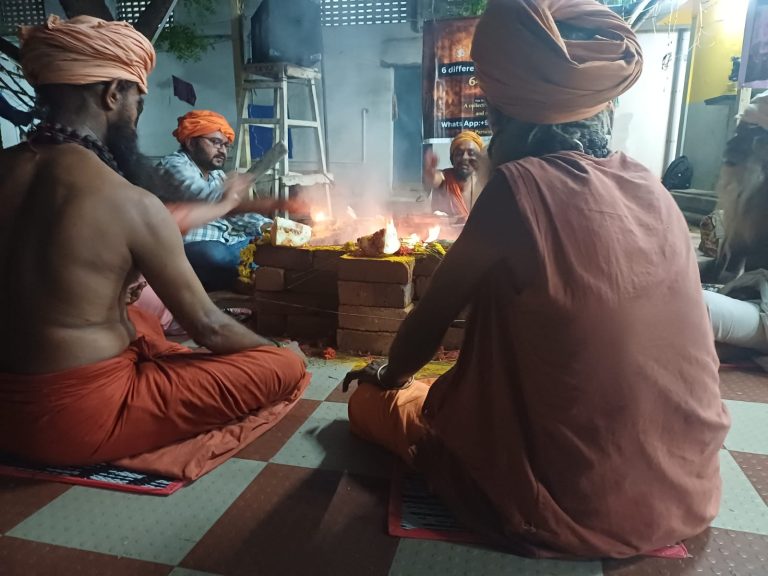
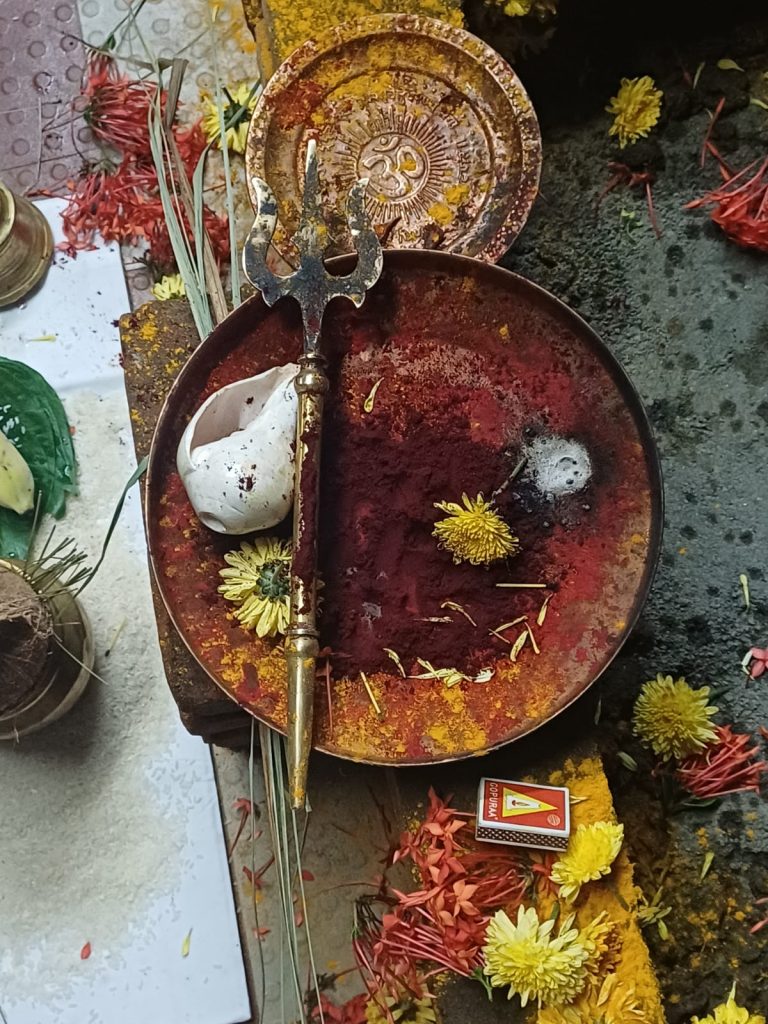
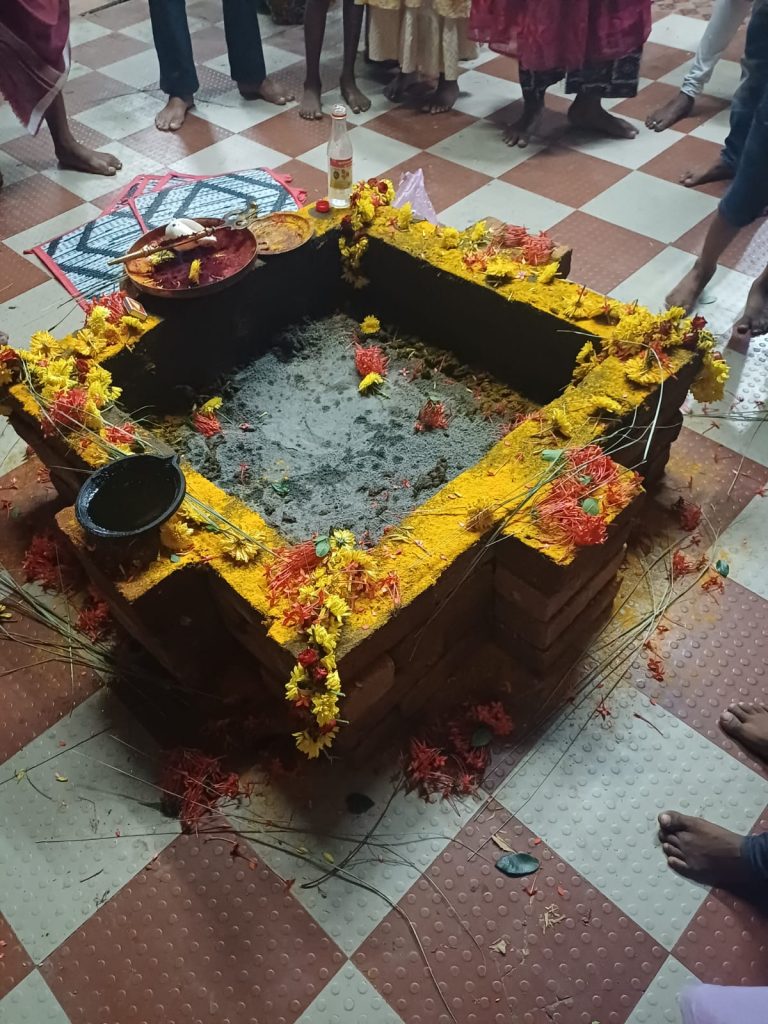
Rituals such as homa (sacred fire offerings) resonate deeply with Magha. Practitioners who honor their ancestors through fire‑based ceremonies often experience heightened clarity and a sense of continuity with the past.
Shakti: The Creative Force
Magha’s shakti is known as Yajna Shakti, the power of sacrifice and ritual. It is not merely external offering but the inner willingness to give up egoic desires for the collective good. This shakti aligns with the royal duty of protecting and nourishing the lineage.
- Channeling Yajna Shakti can turn personal ambition into service.
- When balanced, it grants the ability to inspire loyalty and trust.
- If unbalanced, it may lead to authoritarian tendencies.
Dosha: The Shadow Aspect
Every nakshatra carries a dosha—an inherent flaw that needs conscious mitigation. Magha’s dosha is Krodha (anger). The potent Rajas‑Agni combination can ignite quick temper, especially when the sense of respect for ancestors feels threatened.
Working with Krodha
Mindful practices such as pranayama (breath control) and regular fire rituals help transmute anger into constructive energy. Recognizing the root cause—often a fear of losing legacy—allows Magha individuals to respond with calm authority rather than aggression.
Integrating the Four Layers
Understanding how Guna, Tatva, Shakti and Dosha interact offers a roadmap for personal growth:
- Rajas + Agni creates dynamic leadership; channel it through disciplined action.
- Yajna Shakti turns ambition into service; practice regular offerings to ancestors.
- Krodha Dosha signals where ego is overstretched; use fire‑based meditation to cool the flame.
When these energies are harmonized, Magha natives can embody the regal spirit of a benevolent ruler—protecting heritage while fostering progressive change.
Frequently Asked Questions
What is the primary guna of Magha Nakshatra?
Rajas
Which element (tatva) is associated with Magha?
Agni (Fire)
What is the main shakti of Magha?
Yajna Shakti (the power of sacrifice)
Test Your Knowledge and Win Coupons to Get Discounts
Have a correction or improvement to suggest?
Log in or create a free accountRelated Videos

Sacred Fire Journey: 64 Havans at 64 Shakti Peeths Explained

#152 Agni is the loard of krithika. The inflamable intense nakshatra . 3-27

#10 -#27 Maga nakshatra Nakshatra -27

64 Shakti Peeth Havan – fourth Havan At Chamundi Hills mysore

64 Shakti Peeth Havan – Third Havan at Kanyakumari

64 Shakti Peeth Havan – Second Havan in Kanchipuram

5th Havan of the 64 Shakti Peeth Havan — Srisailam

How Simple Rituals Like Fire and Essential Oils Can Connect You to Your Intuition!





Leave a Reply