Overview of the Jyotiba Chaitra Yatra
The Jyotiba Chaitra Yatra is the most anticipated pilgrimage in the western Deccan, drawing thousands of devotees to the hilltop shrine of Lord Jyotiba every spring. Occurring in the Hindu month of Chaitra (typically March–April), the yatra blends ancient rites with vibrant local customs, turning the rugged landscape into a living tableau of devotion.
Historical Roots
Legends trace Jyotiba’s worship to the 13th‑century Maratha warrior‑saint, who is said to have manifested on the hill to protect the region from invaders. Over centuries, the pilgrimage grew from a modest village gathering into a regional festival supported by local kingdoms, British colonial officers, and today, state tourism boards.
When the Yatra Begins
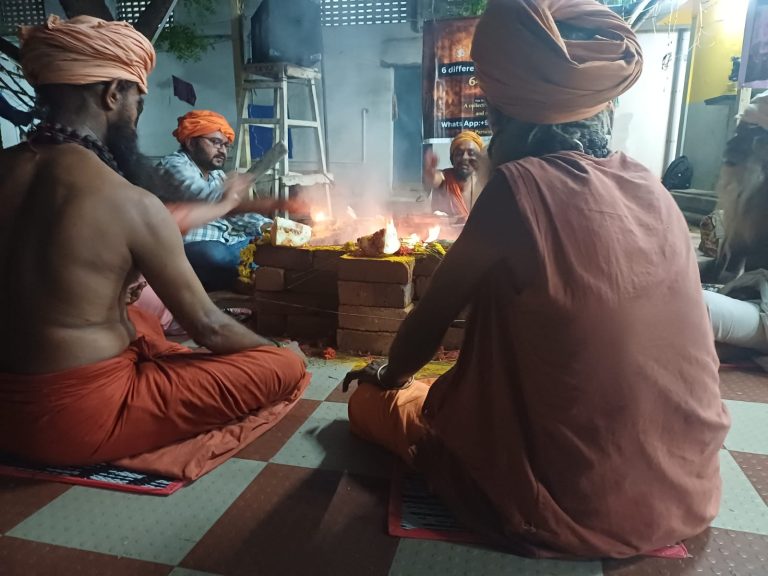
The yatra officially starts on the Shukla Paksha Pratipada (first bright lunar day) of Chaitra. Priests light a ceremonial fire at the dharmashala near the base of the hill, and the first procession of prasad and sacred flags sets off toward the shrine. The event lasts for nine days, culminating in a grand finale on the full moon.
Key Rituals and Their Meaning
Each day of the yatra follows a structured sequence of rites, designed to purify participants and honor Jyotiba’s protective role.
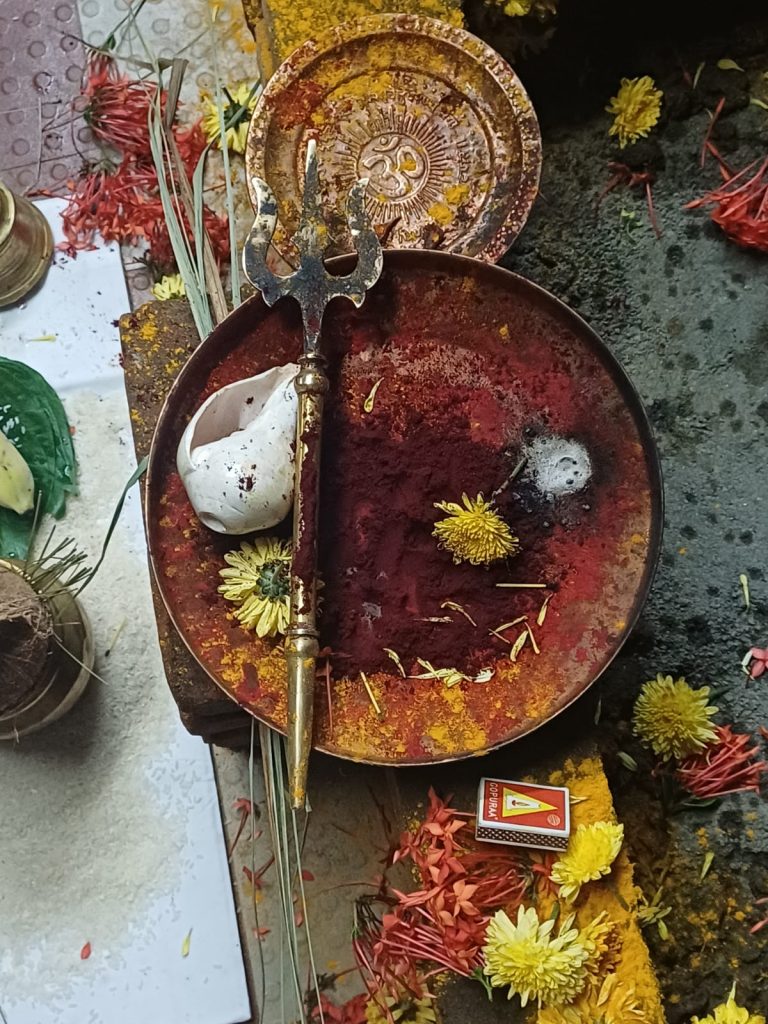
- Kalash Sthapana: A holy pot filled with water, rice, and mango leaves is installed at the temple’s entrance, symbolising abundance.
- Rudra Abhishekam: The deity’s idol is bathed with milk, honey, and ghee, invoking strength and compassion.
- Bhajan & Kirtan: Community chanting creates a collective atmosphere of reverence.
- Parikrama: Pilgrims circumambulate the hill three times, each loop representing past, present, and future blessings.
The Grand Procession
Mid‑yatra, a spectacular procession snakes up the steep pathways. Devotees carry decorated chariots, incense burners, and the Jyotiba banner. Traditional drums (dhol) and wind instruments (shehnai) accompany the march, while women in colorful sarees sprinkle holy water on the crowd. The climax occurs at the summit shrine, where a massive fire ceremony (havan) is performed under a starlit sky.
What Pilgrims Should Know
For first‑time visitors, preparation is key. Wear sturdy shoes, carry a water bottle, and respect the no‑plastic policy enforced by the temple committee. Local volunteers offer free meals (langar) after each ritual, and modest accommodation is available in the nearby village of Kolhapur.
Conclusion
Jyotiba Chaitra Yatra is more than a religious event; it is a cultural affirmation of community resilience and devotion. Whether you seek spiritual cleansing, a glimpse into Maharashtra’s living traditions, or simply the joy of shared celebration, the yatra offers an unforgettable experience.
Frequently Asked Questions
When does the Jyotiba Chaitra Yatra officially start?
On the first bright lunar day (Shukla Paksha Pratipada) of the month of Chaitra.
What is the significance of the Kalash Sthapana ritual?
It symbolizes abundance and invites divine blessings into the pilgrimage.
How many days does the yatra traditionally last?
Nine days, ending on the full moon of Chaitra.
Which musical instruments are most commonly heard during the procession?
Dhol drums and shehnai wind instruments.
What should pilgrims avoid bringing to the shrine?
Plastic items, as the temple enforces a no‑plastic policy.
Test Your Knowledge and Win Coupons to Get Discounts
Have a correction or improvement to suggest?
Log in or create a free accountRelated Videos

packing prasad to everyone who has contributed on srisailam havan.

Jogulamba Temple The Next Havan location 6th of 64

5th Havan of the 64 Shakti Peeth Havan — Srisailam

Fifth havan out of 64 in srisailam.

At India's largest tiger reserve getting ready for our fifth havan. all are welcome

Pvt group initiation into yoni mudra and tantra @mysore.

Kali yantra bags are available

Tantrik workshop with satyama





Leave a Reply