Introduction
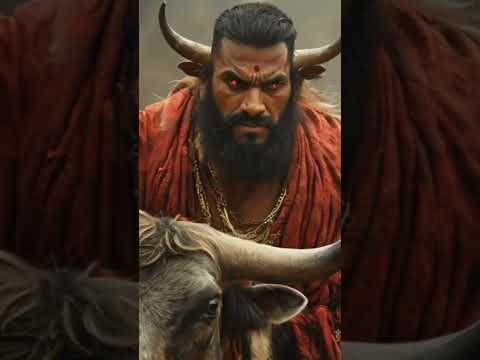
Mhasoba, the fierce guardian of many Maharashtra villages, is rarely understood without the iconic buffalo that accompanies his statues and festivals. This article examines how the buffalo functions as a living metaphor for strength, fertility, and communal protection, linking ancient agrarian rites to contemporary devotional practice.
Historical Roots of Mhasoba and the Buffalo
The worship of Mhasoba predates recorded Vedic texts, emerging from local pastoral cultures that revered large bovines as sources of milk, labor, and wealth. Over centuries, the buffalo—an animal more resilient than the cow in the region’s marshy terrain—became inseparable from the deity, symbolising the raw, untamed energy that protects a village from disease and famine.
Village Guardian Traditions
In many villages, a wooden or stone figure of Mhasoba stands beside a real buffalo during festivals such as Jatra or Shivratri. The animal is adorned with bright cloth, bells, and sometimes a garland of mango leaves, highlighting its sacred status. When the buffalo roams the perimeters of the settlement, villagers interpret its calm demeanor as a sign of divine vigilance.
Mythic Narratives Involving the Buffalo
Legends recount that Mhasoba once subdued a rogue buffalo that threatened the harvest. By subduing the beast, he demonstrated mastery over chaos, turning a potential disaster into a protective emblem. The story reinforces the belief that the buffalo, once wild, now serves the community under Mhasoba’s guidance.
Symbolic Layers of the Buffalo
Strength and Endurance: The buffalo’s massive build and ability to work in waterlogged fields mirror the deity’s capacity to endure hardships. Farmers invoke Mhasoba for stamina during planting seasons, believing the animal’s vigor will transfer to their crops.
Fertility and Prosperity: In agrarian societies, a healthy buffalo herd directly correlates with milk production and dung used as fertilizer. Hence, the buffalo embodies fertility, and rituals often include offering grains or milk to ensure abundant yields.
Protection and Justice: The buffalo’s aggressive temperament when threatened is seen as an extension of Mhasoba’s protective wrath. During village disputes, elders may reference the buffalo’s role as a reminder that the deity watches over moral order.
Ritual Practices Centered on the Buffalo
During the annual Mhasoba Jatra, devotees perform a sequence of rites:
- Bathing the buffalo with holy water drawn from a nearby river.
- Applying turmeric and vermilion to the animal’s horn, symbolising purification.
- Circling the buffalo three times while chanting regional hymns that praise Mhasoba’s guardianship.
These actions reinforce the animal’s sacred status and invite communal participation, turning the buffalo into a focal point of collective devotion.
Contemporary Relevance
Even as urbanisation spreads, many younger Maharashtrians retain reverence for Mhasoba’s buffalo. Artisans craft miniature buffalo figurines for home altars, and folk singers incorporate the animal’s imagery into modern devotional songs. The symbolism adapts, reminding believers that resilience, fertility, and protection remain timeless aspirations.
Conclusion
Understanding Mhasoba’s buffalo symbolism reveals a layered tapestry of agrarian history, mythic storytelling, and living religious practice. The animal is not merely a decorative element; it is a conduit through which devotees experience the deity’s strength, nurture, and vigilant care.
Frequently Asked Questions
Why is the buffalo preferred over the cow in Mhasoba worship?
The buffalo thrives in the marshy terrain of Maharashtra and symbolizes greater resilience, making it a more fitting emblem of protection.
What ritual is performed on the buffalo during the Mhasoba Jatra?
The buffalo is bathed with holy water, adorned with turmeric and vermilion, and circled three times while chanting hymns.
Which aspect of village life does the buffalo most directly represent?
Fertility, because a healthy buffalo herd ensures milk, dung for fertilizer, and overall agricultural prosperity.
How does the buffalo embody Mhasoba's protective role?
Its aggressive temperament when threatened mirrors the deity’s capacity to defend the community from harm.
Do modern practitioners still use buffalo imagery in worship?
Yes, they create miniature figurines and incorporate buffalo motifs in contemporary devotional songs.
Test Your Knowledge and Win Coupons to Get Discounts
Have a correction or improvement to suggest?
Log in or create a free accountRelated Videos
#148 Yama is the lord of bharani nakshatra. And the god of death. 2-27

Understanding a deity.

Tara The Fierce deity who consume meat and alcohol.

What is deity??

Erikku (Milk weed) The tree of thiruvonam nakshatra

#37 Making smoked pork with fermented soya naga heritage village #kisama. Travel Vlog-37

Tara The fierce godess of protection. #mahavidyaPendant -2 #mahavidya #yantra #pendant

Deity of a Nakshatra.







Leave a Reply