Introduction
Verse 2 of the Hatha Yoga Pradipika presents a vivid scene: Yogin Swâtmârâma bows to his guru, Srinâtha, and then unfolds the essential Haṭha practices that lead to the crown of Rāja Yoga. This article unpacks the verse, explains the symbolism of the salutation, and translates the ancient instructions into a modern practice framework.
Context of the Verse
In traditional yoga literature, the act of praṇamya (saluting) is not merely a ritual; it acknowledges the lineage (paramparā) and the transmission of knowledge. Swâtmârâma’s reverence sets the tone for a disciplined approach where external forms give way to internal mastery.
Who is Swâtmârâma?
Swâtmârâma is a celebrated yogi in the 15th‑century commentary tradition. He is known for integrating rigorous physical techniques with deep meditative insight, embodying the synthesis of Haṭha and Rāja Yoga.
The Role of the Guru
Srinâtha, the guru, represents the living embodiment of the yoga tradition. By first honoring him, Swâtmârâma reminds students that true power arises from humility and guidance.
Key Teachings of Haṭha Yoga in the Verse
- Purification of the body through asanas and kriyas creates a stable platform for higher meditation.
- Control of breath (prāṇāyāma) steadies the mind, making it receptive to subtle energies.
- Bandhas (locks) and mudras concentrate prāṇa, directing it toward the central channel (sūryanāda).
- Śakti‑cālanā (movement of energy) prepares the practitioner for the blissful states of Rāja Yoga.
Transition to Rāja Yoga
Rāja Yoga, often called the “royal path,” emphasizes the mind’s mastery through dhyāna (meditation) and dhāraṇā (concentration). The verse states that Haṭha practice is “kevalaṃ rāja‑yoghāya” – solely for the purpose of attaining Rāja Yoga. In practical terms, the physical discipline clears the nadis, the breath work balances the prāṇic currents, and the bandhas lock the vital force, allowing the meditator to enter a state of sustained inner stillness.
Practical Steps for the Modern Practitioner
Below is a step‑by‑step routine inspired by Swâtmârâma’s instruction:
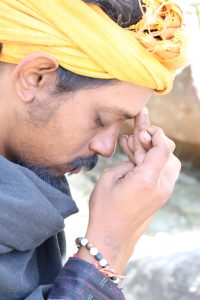
- Begin each session with a sincere namaskāra to your teacher or an inner guide.
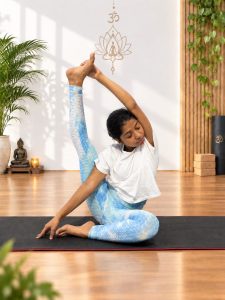
- Practice foundational asanas such as Śirṣāsana, Bhujangāsana, and Sarvāṅgāsana for at least ten minutes each.
- Incorporate the three classic prāṇāyāmas – Nadi Shodhana, Kapalabhati, and Bhastrikā – to purify the breath.
- Engage the Mūla and Uḍḍiyāna bandhas while performing Utkatasana to activate the central channel.
- Conclude with a 15‑minute seated meditation, visualising the flow of prāṇa rising to the crown chakra, the gateway to Rāja Yoga.
Why This Integration Matters
Without the groundwork of Haṭha Yoga, the mind often remains restless, making deep meditation elusive. Swâtmârâma’s verse reminds us that the “staircase” to Rāja Yoga is built brick by brick with disciplined posture, breath, and energy control. When these practices are performed with devotion to the guru, the practitioner experiences a seamless transition from physical vigor to inner sovereignty.
Frequently Asked Questions
What does the term ‘praṇamya’ signify in the verse?
It indicates a respectful salutation to the guru, acknowledging the lineage and preparing the mind for instruction.
Which Haṭha Yoga technique is highlighted as essential for Rāja Yoga?
Bandhas (energy locks) are emphasized as a key component that channels prāṇa toward the central channel.
How does Swâtmârâma link Haṭha Yoga to Rāja Yoga?
He states that Haṭha Yoga is performed solely for the attainment of Rāja Yoga, making it a preparatory discipline.
Test Your Knowledge and Win Coupons to Get Discounts
Have a correction or improvement to suggest?
Log in or create a free accountRelated Videos

Premium yoga videos are getting ready.

Tadasana for more visit www.arunsyoga.in

Garudasana.

Vrikshasana

Parivartha Trikonasana.

Trikonasana.

Spiritual adventure to connect with instructor and get exclusive discount visit www.arunsyoga.in

navaratri havan 9 th day ending with poornavathi devi sidhidatri.









Leave a Reply