 ARUN'S YOGA
Naropa’s Path to Mastery
Naropa, a pivotal figure in Tibetan Buddhism, is renowned for his profound mastery of the Six Yogas, which encompass tummo, illusory body, and phowa. His journey towards this extraordinary yogic attainment was marked by twelve great trials under the watchful mentorship of his teacher, Tilopa. These trials not only tested his resolve but also catalyzed his transformation into a revered Siddha.
The Significance of the Six Yogas
The Six Yogas of Naropa represent a comprehensive system of meditative practices aimed at the attainment of enlightenment and ultimate liberation. Each yoga serves a unique purpose in advancing one’s spiritual journey:
- Tummo: This practice cultivates inner heat, enabling practitioners to generate warmth and energy to overcome physical and mental obstacles.
- Illusory Body: This yoga teaches the nature of reality, allowing practitioners to experience the illusory nature of phenomena and dissolve attachments.
- Phowa: Often described as the yoga of consciousness transference, phowa enables the practitioner to direct consciousness at the moment of death, facilitating a smooth transition into the next existence.
- Dream Yoga: This practice focuses on lucid dreaming as a tool for spiritual awakening and insight into the mind’s functions.
- Clear Light Yoga: This yoga helps practitioners realize the fundamental nature of mind as luminous and empty, leading to ultimate clarity.
- Transference Yoga: This involves guiding the mind during death and the bardo (intermediate state), ensuring favorable rebirth or achieving liberation.
Naropa’s Twelve Trials
Naropa’s encounters with the trials set forth by Tilopa were not merely physical challenges; they symbolized vital lessons in discipline, surrender, and wisdom. According to legend, Naropa faced diverse hardships, ranging from enduring harsh conditions to confronting his fears and misconceptions. Each trial was intricately designed to strip away his ego and cultivate a deeper understanding of suffering and compassion.
For example, one trial involved Naropa’s encounter with a fierce tiger, a representation of his instinctual fears. Instead of fleeing, he learned to embrace his fear through meditation and acceptance, transforming it into an ally rather than an adversary. Such experiences augmented his resilience and deepened his insights, ultimately leading to his spiritual awakening and mastery of the yogas.
The Role of Tilopa
Tilopa, Naropa’s teacher, played a pivotal role in guiding him through these trials. Known for his unconventional methods, Tilopa imparted essential teachings that emphasized direct experience over theoretical knowledge. He would often challenge Naropa, pushing him to his limits, emphasizing that true understanding arises from personal experience rather than mere intellectual comprehension.
The relationship between Naropa and Tilopa illuminated the importance of a teacher in the spiritual journey. Naropa’s unwavering devotion and respect for Tilopa allowed him to absorb profound wisdom and eventually realize his potential as a yogi. This dynamic illustrates a timeless principle in Buddhism: genuine transformation often requires guidance, challenge, and profound commitment.
Legacy of Naropa
Naropa’s legacy endures through the teachings of the Six Yogas and his profound influence on Tibetan Buddhism. His life’s journey inspires countless practitioners seeking enlightenment, showcasing the potential within each individual to overcome obstacles and realize their true nature through dedicated practice.
Ultimately, Naropa’s mastery of the Six Yogas and his ordeal through twelve significant trials serve as powerful reminders of the resilience of the human spirit and the path toward spiritual freedom. His story continues to resonate in the hearts of seekers, encouraging them to embrace their own trials as opportunities for growth and transformation.
Frequently Asked Questions
Who was Naropa's mentor?
Naropa’s mentor was Tilopa, who guided him through twelve great trials.
What are the Six Yogas of Naropa?
The Six Yogas of Naropa include tummo, illusory body, phowa, dream yoga, clear light yoga, and transference yoga, each serving a unique purpose in spiritual advancement.
What significance do the twelve trials hold?
The twelve trials symbolize vital lessons in discipline, surrender, and wisdom, testing Naropa’s resolve and facilitating his transformation.
What role did Tilopa play in Naropa's journey?
Tilopa played a pivotal role by challenging Naropa and emphasizing the importance of direct experience over theoretical knowledge.
How does Naropa’s legacy impact Tibetan Buddhism?
Naropa’s legacy influences Tibetan Buddhism through his teachings on the Six Yogas and inspires practitioners in their pursuit of enlightenment.
Test Your Knowledge and Win Coupons to Get Discounts
Have a correction or improvement to suggest?
Log in or create a free accountRelated Videos
 Gyan yoga is the path of achieving liberation through resonating.
 Yoga is the state of mind in which you merged with the absolute.
 Felicity feline sharing her experience with yoga. #meditation #tantra #yoga
 Choosing the Right Yoga Teacher How to Find Your Perfect Fit for Mind and Body
 Dream yoga from Budhism helps you to reach the fourth.
 Dream yoga can helps you to be more awoke.
 why physical yoga is your spiritual foundation
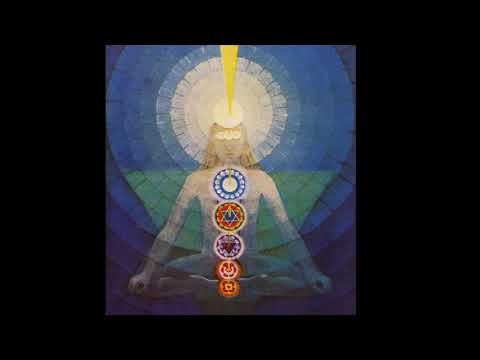 Kundalini Yoga - How It Helps Us To See Reality









Leave a Reply