 ARUN'S YOGA
The duration of prāṇāyāma is set at twelve measures for the lower stage, twenty‑four measures for the intermediate stage, and thirty‑six measures for the highest stage. These counts are given in Verse 104 of the Yogacūḍāmaṇi Upaniṣad and form a clear quantitative guide for practitioners.
Understanding the Measure System
In the classical yoga tradition a “measure” (mātrā) corresponds to a single breath cycle counted with a steady mental rhythm. The verse quantifies the practice so that the yogi can progressively expand lung capacity, nervous system tolerance, and subtle energy flow. By adhering to the prescribed numbers the practitioner respects the scriptural hierarchy of effort.
Lower Stage (Adhama)
The adhama, or lower stage, is the introductory level for beginners. Twelve measures mean twelve inhalations‑retentions‑exhalations performed in a smooth, unhurried manner. This duration is sufficient to calm the mind, settle the prāṇa in the central channel (sushumna), and prepare the body for longer sessions.
Intermediate Stage (Madhyama)
When the yogi demonstrates stability at the lower level, the verse instructs a doubling of the count to twenty‑four measures. This intermediate stage deepens the diaphragmatic control, lengthens the retention phase, and stimulates the secondary nadis (ida and pingala). The increased duration also intensifies the internal fire (jāta) that supports the transformation of subtle impressions.
Highest Stage (Uttama)
The uttama, or highest stage, triples the original count to thirty‑six measures. At this level the practitioner attains a refined equilibrium of the three prāṇas (prāna, apāna, samāna) and can sustain profound states of meditation (dhyāna) without loss of vitality. The extended practice is said to unlock the dormant potential of the kundalini and reveal the inner sound (nāda).
Practical Application in Modern Practice
While the ancient text uses the term “measure,” contemporary teachers translate it into timed breaths or counted cycles. Below is a practical framework that respects the scriptural numbers while accommodating modern lifestyles.
- Step 1 – Prepare: Sit in a comfortable upright posture, close the eyes, and take three natural breaths.
- Step 2 – Lower Stage: Inhale for a count of four, retain for four, exhale for four; repeat this cycle twelve times.
- Step 3 – Intermediate Stage: Once the lower stage feels settled, double the cycle to twenty‑four repetitions, maintaining the same four‑second rhythm.
- Step 4 – Highest Stage: For advanced students, extend to thirty‑six cycles, optionally increasing each segment to six seconds for deeper retention.
- Step 5 – Conclude: Finish with three gentle breaths and a moment of gratitude.
It is essential to monitor the body’s response; any dizziness, strain, or excessive heat indicates the need to reduce the count or shorten the retention periods.
Comparative Insight with Other Verses
Verse 103 prescribes a fixed pattern of inhalation, retention, and exhalation measured at twelve, sixteen, and ten units respectively. Verse 104, by contrast, focuses on the total number of cycles for each stage, allowing the practitioner to choose the internal timing that feels natural. Together, the two verses provide a comprehensive blueprint: one for the micro‑timing of each breath, the other for the macro‑structure of a complete session.
Guidelines for Safe Practice
To honour the spirit of the Yogacūḍāmaṇi Upaniṣad while ensuring safety, observe the following principles:
- Practice on an empty stomach or wait at least two hours after a meal.
- Avoid forced breathing; let the diaphragm move organically.
- Maintain a steady gaze (drishti) at the nasikagra (point between the eyebrows) to support mental focus.
- Consult a qualified teacher before attempting the highest stage, especially if you have cardiovascular concerns.
- Integrate the breath work with the ethical observances (yamas and niyamas) described elsewhere in the Upaniṣad.
When these precautions are observed, the quantitative guidance of Verse 104 becomes a powerful tool for advancing one’s prāṇāyāma practice, aligning breath, body, and consciousness in the timeless tradition of yoga.
Frequently Asked Questions
What is the prescribed number of measures for the lower stage of prānāyāma according to Verse 104?
Twelve measures are prescribed for the lower (adhama) stage.
How many measures are recommended for the intermediate stage?
Twenty‑four measures, which is double the lower stage count.
What is the count for the highest stage?
Thirty‑six measures, triple the original lower‑stage count.
How does the article suggest timing each breath cycle in the lower stage?
Inhale for four seconds, retain for four seconds, exhale for four seconds, and repeat twelve times.
Test Your Knowledge and Win Coupons to Get Discounts
Have a correction or improvement to suggest?
Log in or create a free accountRelated Videos
 magicians secret weapon using hypnosis on stage hecklers
 Security Measures To Be Taken If You Are Investing In Crypto
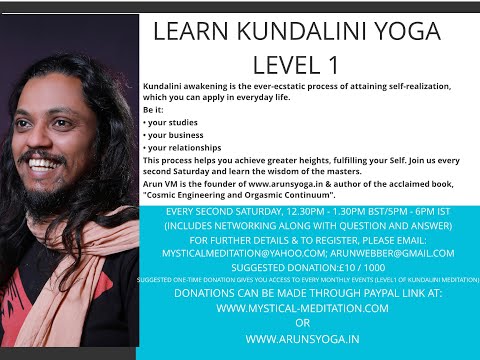 Online Kundalini Yoga Learning Session Level 1 For Beginners
 Rashi is again divided into twelve it is called navamsham.
 Kundalini Yoga Level 1 - A Simple Meditation Technique To Transmute Your Sexuality Into Creativity
 Anuraga is the sixth among eight states of love.
 Master Mind For Dummies 4:(Patanjali Yoga Sutra Chapter-1 Samadhipadam)
 Why Yoga Isn't Crazy Understanding the True Power Behind the Practice









Leave a Reply