 ARUN'S YOGA
 ARUNSYOGA
Understanding the Role of the Guru in Spiritual Development
The essence of the teachings from the Yogashikhā Upaniṣad emphasizes the profound role a guru plays in one’s spiritual journey. The verses convey that the guru embodies the divine manifestations of Brahmā and Viṣṇu, showcasing the elevated status of a guru in the spiritual hierarchy. This elevation signifies that the guru is not only a teacher but also an embodiment of divine wisdom, guiding students towards enlightenment.
The Divine Nature of the Guru
According to the verse, “गुरुर्ब्रह्मा गुरुर्विष्णुर्गुरुर्देवः सदाच्युतः,” it is clearly stated that the guru is akin to Brahmā, who is the creator, and Viṣṇu, the sustainer. This alignment underscores the belief that the guru possesses a divine quality that reflects these essential aspects of existence. In spiritual practices, recognizing the guru’s divine nature is fundamental, as it enhances the devotee’s reverence and commitment towards learning and practice.
- Brahmā: The creator aspect signifies that the guru initiates the student into a new realm of understanding, creating a pathway to spiritual knowledge.
- Viṣṇu: The sustaining aspect of the guru ensures that the teachings are preserved and forwarded through generations, maintaining the integrity of spiritual wisdom.
Worshiping the Guru
The second verse, “न गुरोरधिकः कश्चित्त्रिषु लोकेषु विद्यते,” emphasizes the unparalleled stature of the guru in the three worlds. This highlights a critical perspective in spiritual practice: the necessity of engaging with the guru through worship. Worshiping the guru is not merely an act of devotion but a significant practice that facilitates the acquisition of divine knowledge. This devotion is expressed through actions that reflect respect and dedication to the guru’s teachings.
The Role of Devotion in Spiritual Progress
The practice of worship becomes a channel for devotees to receive and internalize the knowledge imparted by the guru. The verse “पूजयेत्परया भक्त्या तस्य ज्ञानफलं भवेत्” states that through supreme devotion, one reaps the fruits of knowledge. This reinforces the integral connection between worship and wisdom. A devotee who engages with sincerity and faith will ultimately find enlightenment and understanding in their spiritual pursuits.
The Guru as a Reflection of the Divine
The loop of knowledge and devotion furthers the statement, “यथा गुरुस्तथैवेशो यथैवेशोस्तथा गुरुः.” This indicates that the nature of the guru reflects that of the Supreme Lord. It reveals the profound understanding that the attributes of the guru and the divine are inseparable. When a devotee worships the guru with great devotion, they effectively honor the Supreme, recognizing that one cannot exist without the other.
Unity of the Guru and the Divine
The concluding chant, “पूजनीयो महाभक्त्या न भेदो विद्यतेऽनयोः,” reiterates the absence of distinction between the divine essence and the guru. It beckons practitioners to understand that the guru is a vital representation of the higher spiritual aspirations. The guru’s teachings become a sacred road map for navigating the complexities of life and spirituality, leading to realization and inner peace.
Conclusion
Engaging with a guru is pivotal for spiritual awakening and realization. Through the lens of the Yogashikhā Upaniṣad, one can appreciate the levels of reverence owed to the guru who embodies profound divine characteristics. Practicing worship with an earnest heart not only bridges the gap between the disciple and the Supreme but also fertilizes the soul with divine wisdom and knowledge, making it an indispensable aspect of one’s spiritual journey.
Frequently Asked Questions
What is the significance of the guru in spiritual development?
The guru plays a profound role in one’s spiritual journey, embodying divine manifestations of Brahmā and Viṣṇu. This signifies that the guru is not only a teacher but also an embodiment of divine wisdom, guiding students toward enlightenment.
How should one approach worship of the guru?
Worshiping the guru should be done with supreme devotion, as this act facilitates the acquisition of divine knowledge. It is crucial to engage with respect and dedication to the guru’s teachings.
What do the verses imply about the relationship between the guru and the divine?
The verses indicate that there is no distinction between the guru and the divine, emphasizing their unity. The guru reflects the nature of the Supreme Lord, and worshiping the guru is akin to honoring the divine.
Test Your Knowledge and Win Coupons to Get Discounts
Have a correction or improvement to suggest?
Log in or create a free accountRelated Videos
 the guru dilemma when spiritual leaders fall
 Guru Hamare Pyaaarr..
 the day a guru called me a tantrika
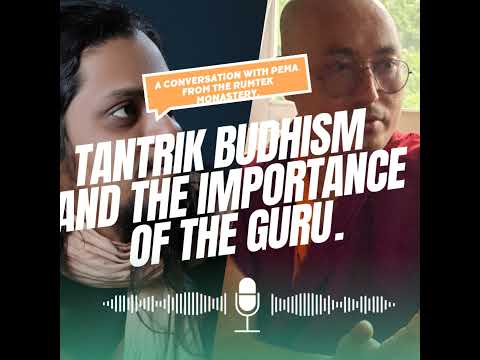 Tantrik budhism and the importance of The guru - A conversation with pema from the rumtek MONASTERY.
 Kaya sidhi of guru gorakshanath.
 #15 @green tara temple and guru lampoche monestry Travel vlog -15
 #153 Brahma is the lord of rohini. The intense creator. 4-27
 #133 Sri theivasikhamani thesikar. Sheshadri asrm @thiruvannamalai.










Leave a Reply