Who Is Chandra in Hindu Tradition?
Chandra is revered as the deity of the Moon; his waxing and waning phases are central to the Hindu lunar calendar and many religious observances.
Mythological Origins and Family Ties
Later Puranic literature describes Chandra as the son of the sage Atri and his wife Anasuya.
The Tale of the Curse
One famous legend recounts how Chandra favored one wife, Rohini, over the others. Angered, the other wives appealed to the god Shiva, who cursed Chandra to wane in brightness. The curse explains the cyclical phases of the Moon, and later, the god Parvati mitigated the curse, allowing the Moon to regain its full brilliance each month.
Symbolism and Spiritual Significance
Chandra symbolizes the mind’s calm and reflective nature. In Ayurveda, the Moon’s cooling energy balances the fiery qualities of the Sun (Surya). Devotees invoke Chandra for mental clarity, fertility, and emotional stability. The Moon’s silver light is also associated with the goddess Parvati and the concept of shakti that nurtures growth.
Chandra in the Hindu Calendar
The Hindu lunar calendar, or Chandramana, hinges on Chandra’s phases. Festivals such as Karva Chauth, Vasant Panchami, and Guru Purnima are timed according to specific lunar days (tithis). The Paksha (bright or dark fortnight) determines fasting schedules and auspicious moments for rituals.
Worship Practices and Rituals
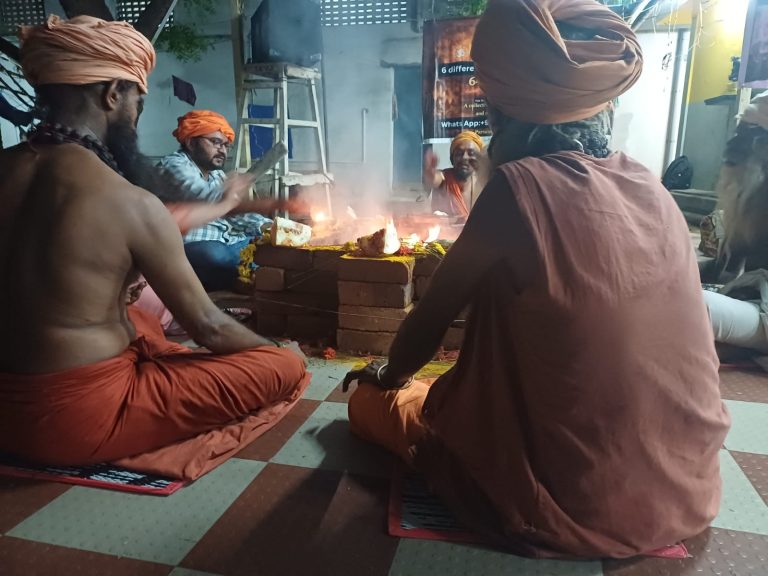
Traditional worship of Chandra occurs on the sixth tithi (Shashthi) of each lunar fortnight.
Temples Dedicated to Chandra
While few temples are solely devoted to Chandra, several shrines feature a moon-shaped sanctum. The most renowned is the Chandreshwar Temple in Gujarat, where a silver idol of the Moon God is bathed in chilled milk during festivals.
Chandra’s Influence on Arts and Culture
From classical dance to poetry, Chandra inspires countless works. The moonlit serenades of the Raas dance, the lyrical verses of Kalidasa, and the intricate patterns of rangoli often depict his gentle glow. In astrology, a strong Chandra placement suggests intuition, empathy, and artistic talent.
Frequently Asked Questions
What is the primary role of Chandra in Hindu mythology?
He governs the lunar phases and influences the Hindu calendar.
Why did Shiva curse Chandra?
Because Chandra showed favoritism toward his favorite wife, Rohini.
Which festival is directly linked to Chandra’s 13th lunar day?
Karva Chauth.
What is the common mantra recited during Chandra worship?
Om Chandraya Namah.
Which Indian state houses the famous Chandreshwar Temple?
Gujarat.
Chandra Dasha Illustration
During Chandra Dasha (the Moon period) in Vedic astrology, a native’s emotional life, family relationships, and mental health are highlighted. For example, a Cancer Moon (Chandra in Karka) often indicates strong nurturing instincts and a deep need for security, as described in the Brihat Parashara Hora Shastra (Chapter 2, verses on Moon significations).
Chandra’s Powers and Influence in Hindu Mythology
Chandra is associated with several divine powers: he illuminates the night, governs the tides (as described in the Mahabharata, Book 12, Section 227), bestows fertility and growth, and influences the mind’s calmness. In the Bhagavata Purana (Canto 10, Chapter 55), he is praised for granting the sages the ability to meditate peacefully under his gentle light.
Accurate Worship Practices and Festival Associations
Traditional worship of Chandra occurs on the sixth tithi (Shashthi) of each lunar fortnight, not the 13th day. Devotees offer white flowers, milk, and rice while reciting the mantra “Om Chandraya Namah.” Major festivals linked to the Moon include Karva Chauth (observed on the fourth day of the waning moon in Kartik) and Guru Purnima (full moon of Ashadha), both of which reference lunar phases in the Manusmriti (Chapter 2, verses on fasting).
Major Temples and Pilgrimage Sites Dedicated to Chandra
While few temples are solely devoted to Chandra, notable sites include the Chandra Temple at Mahadeva in Gujarat, the ancient Chandrapur shrine in Maharashtra, and the Chandrabhaga Shakti Peetha in Veraval, Gujarat, where a moon-shaped lingam is worshipped. These locations are mentioned in the Skanda Purana (Kashi Khanda) and in regional pilgrimage guides.
Test Your Knowledge and Win Coupons to Get Discounts
Have a correction or improvement to suggest?
Log in or create a free accountRelated Videos

#2 -#9Chandra: The Ebb and Flow of Emotions(moon)

The Moon.

Will Kamala Haris Hit the moon according to her vedic chart

Moon Landing is fake

Unravelling Conspiracies: JFK,Moon Landing,Reptilians and beyond.

hindu tantra why the woman is the center

the real reason soviets didnt expose the moon landing hoax

Worship in oriental concept is extremely diffrent from Semitic religions. Example Ram Mandir ayodhya









Leave a Reply