Introduction to Yoga and Tantra
<p=Yoga and tantra are two ancient Indian practices that have been intertwined for centuries. Both traditions aim to unite the individual with the universal, promoting spiritual growth, self-awareness, and enlightenment. In this article, we will delve into the similarities, differences, and shared origins of yoga and tantra.
Similarities Between Yoga and Tantra
Both yoga and tantra emphasize the importance of meditation, breath control, and physical postures to achieve a higher state of consciousness. They also share a common goal of liberating the individual from the cycle of suffering and rebirth. Additionally, both practices recognize the importance of a guru or teacher to guide the seeker on their spiritual journey.
Differences Between Yoga and Tantra
One of the primary differences between yoga and tantra is their approach to the attainment of spiritual growth. Yoga focuses on the individual’s efforts to achieve union with the divine, whereas tantra emphasizes the importance of ritual, symbolism, and the power of the feminine principle. Tantra also incorporates more esoteric practices, such as the use of mantras, yantras, and other mystical tools.
Shared Origins of Yoga and Tantra
Both yoga and tantra have their roots in ancient Indian philosophy and spirituality. The Vedas, the Upanishads, and the Bhagavad Gita are some of the key texts that have influenced the development of these practices. The Indus Valley Civilization, which dates back to around 3300 BCE, also shows evidence of yogic and tantric practices.
The Role of Kundalini in Yoga and Tantra
Kundalini, the dormant energy that lies at the base of the spine, is a key concept in both yoga and tantra. In yoga, kundalini is often seen as a symbol of spiritual awakening, while in tantra, it is considered a powerful force that can be harnessed for spiritual growth and self-realization. The practice of kundalini yoga, which involves the use of postures, breath control, and meditation to awaken this energy, is a common thread between the two traditions.
- Yoga and tantra both recognize the importance of kundalini energy
- Both practices use various techniques to awaken and balance this energy
- Kundalini is seen as a symbol of spiritual awakening and self-realization
Frequently Asked Questions
What is the primary difference between yoga and tantra?
The primary difference between yoga and tantra is their approach to spiritual growth. Yoga focuses on individual effort, while tantra emphasizes ritual, symbolism, and the power of the feminine principle.
What is the role of kundalini in yoga and tantra?
Kundalini is a dormant energy that lies at the base of the spine. In yoga, it is often seen as a symbol of spiritual awakening, while in tantra, it is considered a powerful force that can be harnessed for spiritual growth and self-realization.
What are the shared origins of yoga and tantra?
Both yoga and tantra have their roots in ancient Indian philosophy and spirituality, including the Vedas, the Upanishads, and the Bhagavad Gita.
Test Your Knowledge and Win Coupons to Get Discounts
Related Products & Services

Tantrik yoga retreat with satyama.
Imagine a week where grand life lessons in love, spirituality and your sexuality can happen every day with a small…
€2,000
Connect on whatsapp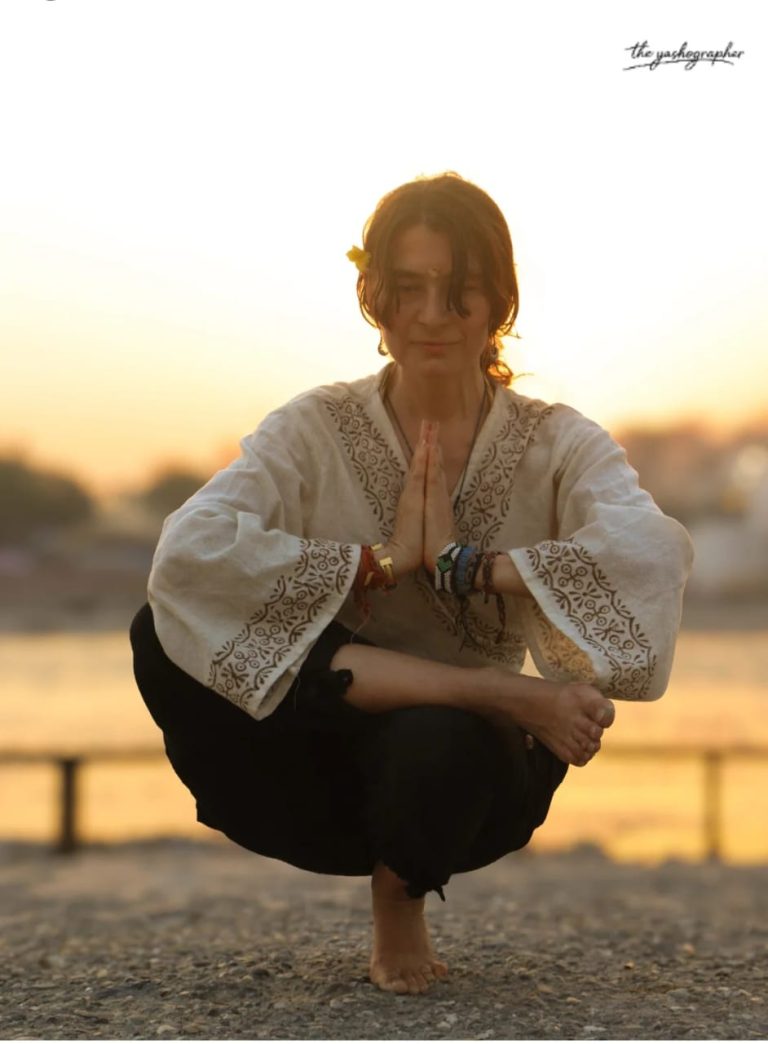
🌿 Private and Group Hatha, Vinyasa & Yoga Nidra Sessions with Lyubov
🔱Hatha, vinyasa yoga 🔱Yoga nidra 🌿What it will give?: ballance, inner peace, mindfulness, emotional release, relaxation, flexibility, strength, improve the…
₹0
Connect on whatsapp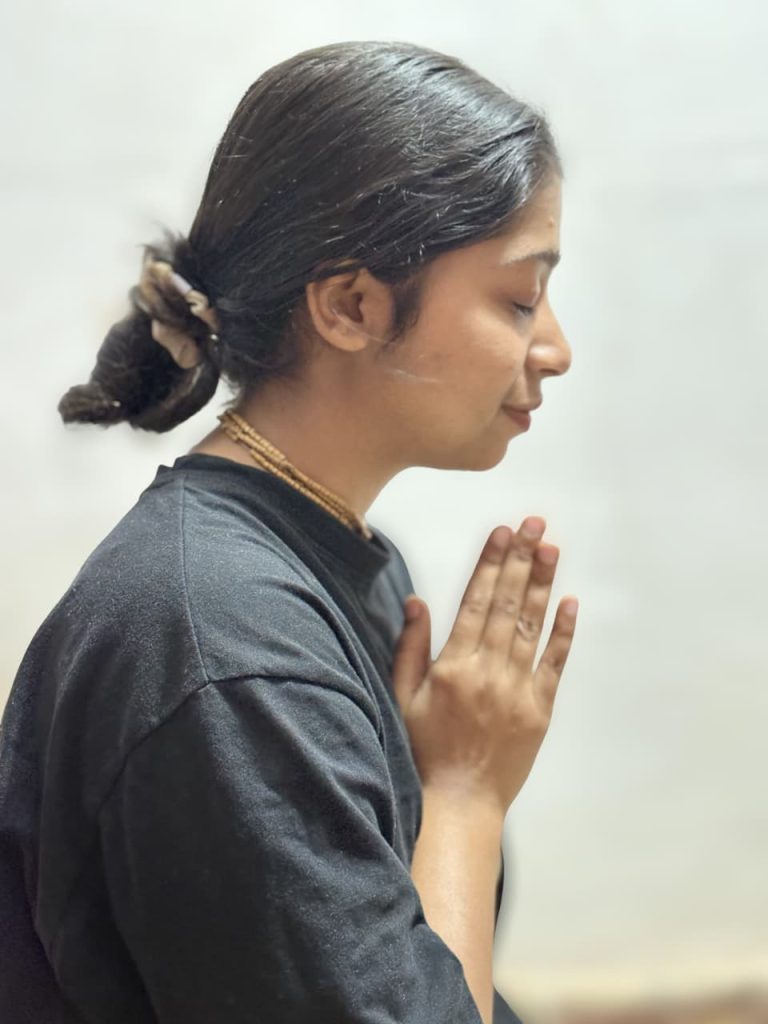
1-on-1 Online Yoga Session with Dolly Nigam
My sessions are suitable for beginners to intermediate practitioners, with personalized guidance based on your goals and abilities. What You'll…
₹800
Connect on whatsapp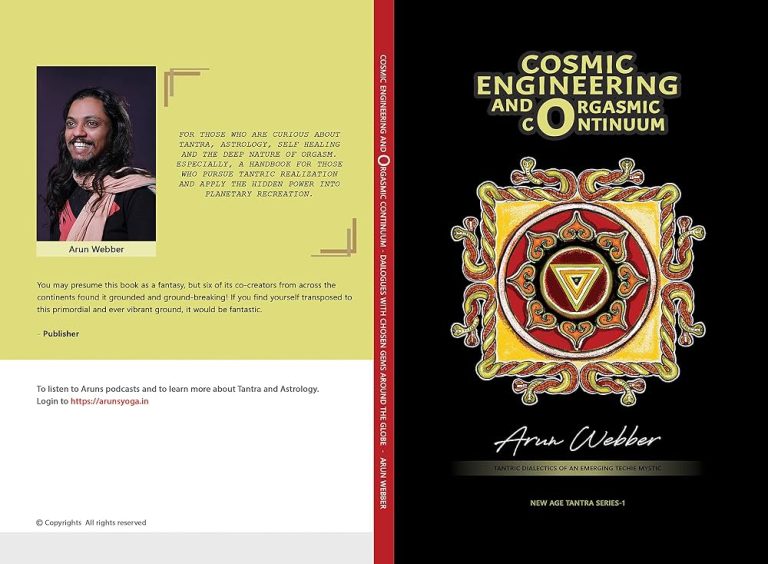
Cosmic engineering and orgasmic continum New age tantra series-1(Paper Back)
Cosmic Engineering And Orgasmic Continuum" is a 2021 spiritual book by Arun Webber that explores Tantra, self-healing, and the nature…
₹499
Order on WhatsApp
Start your tantra sadhana with your specefic deity
If you’re not sure where or how to begin your Tantra Sadhana, contact us today. Receive a **handcrafted, energized Yantra**…
₹5,000
Order on WhatsApp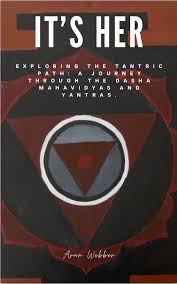
Its her (Paper back) Signed By Arun
Exploring the Tantric Path" is a comprehensive guide that delves into the sacred teachings of Tantra through the exploration of…
₹299
Order on WhatsApp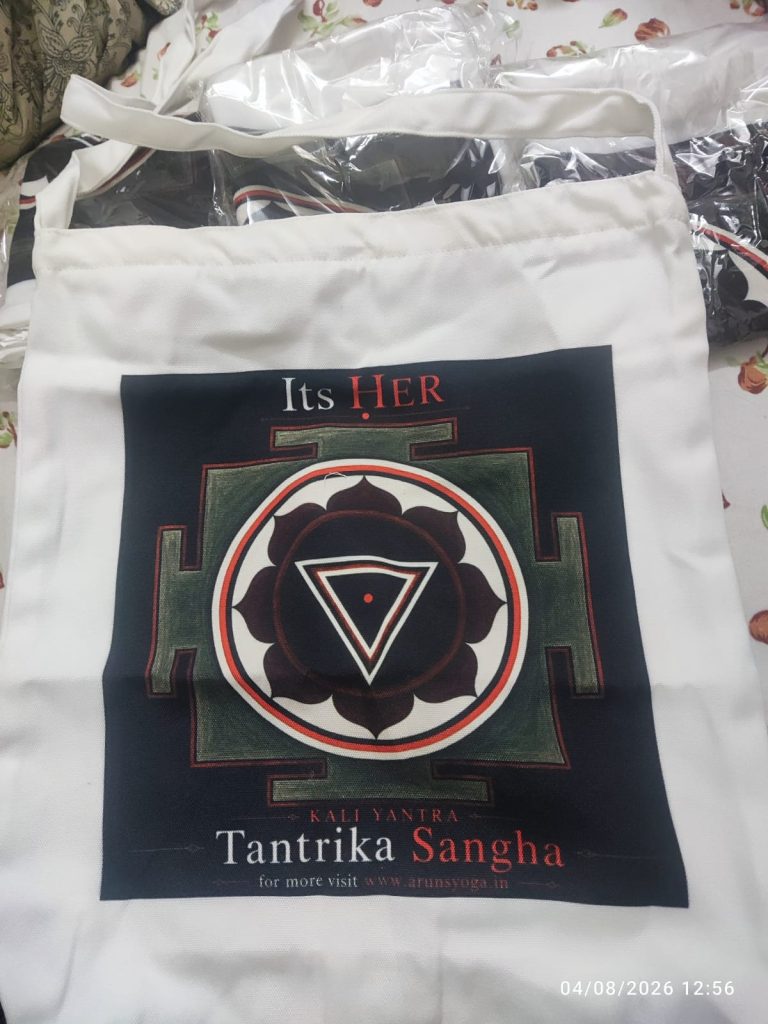
Kali Yantra Side Bags For Sangha By Arun
Carry your essentials with the protective presence of the Kali Yantra. Designed for spiritual practitioners and seekers, this side bag…
₹699
Order on WhatsApp
Learn yoni mudra Meditation With Arun.(Private , Group Online and Offline )
The Yoni Mudra is a powerful hand gesture that, when combined with specific breathing and mantras, can immediately generate high-frequency…
₹1,250
Order on WhatsApp
Earrings with feathers of guacamayo
Beautiful handcrafted earrings made with authentic guacamayo (Amazon parrot) feathers and natural wooden beads. Created using only natural materials. Inspired…
€40
Order on WhatsAppMost Viewed Products And Services
Learn yoni mudra Meditation With Arun.(Private , Group Online and Offline )
The Yoni Mudra is a powerful hand gesture that, when combined with specific breathing and mantras, can immediately generate high-frequency…
₹1,250
Order on WhatsApp
🌿 Private and Group Hatha, Vinyasa & Yoga Nidra Sessions with Lyubov
🔱Hatha, vinyasa yoga 🔱Yoga nidra 🌿What it will give?: ballance, inner peace, mindfulness, emotional release, relaxation, flexibility, strength, improve the…
₹0
Connect on whatsapp
Kali Yantra Side Bags For Sangha By Arun
Carry your essentials with the protective presence of the Kali Yantra. Designed for spiritual practitioners and seekers, this side bag…
₹699
Order on WhatsAppHave a correction or improvement to suggest?
Log in or create a free accountRelated Videos

Felicity feline sharing her experience with yoga. #meditation #tantra #yoga

Kundalini Yoga Level 1 – A Simple Meditation Technique To Transmute Your Sexuality Into Creativity
Kundalini Yoga – How It Helps Us To See Reality

Mystical Wisdom And An Introduction to Kundalini Yoga (Zoom Workshop)
Online Kundalini Yoga Learning Session Level 1 For Beginners

Consciousness Transformed: Covid, Global Uncertainty And Kundalini Yoga – June 2021 Workshop

Mystical Wisdom and an Introduction to Kundalini Yoga

Yoga is the state of mind in which you merged with the absolute.


Leave a Reply