<h2 Introduction to Sugandha Shakti Peetha
Sugandha Shakti Peetha, the 56th among the revered 64 Shakti Peethas, is nestled in Shikarpur, Bangladesh. This sacred site is distinguished by its unique history and spiritual significance, attracting devotees and pilgrims from across the globe. According to ancient lore, it was here that Sati’s nose fell, a pivotal event in the creation of the Shakti Peethas.
The Significance of Sugandha Shakti Peetha
The Goddess worshipped at this Peetha is Sunanda, and the Bhairava is known as Tryambak. The divine couple embodies the cosmic dance of Shakti and Shiva, symbolizing the eternal harmony between the feminine and masculine principles of the universe. The site is a testament to the profound influence of Hindu mythology on the cultural and religious tapestry of Bangladesh.
Historical and Cultural Context
The history of Sugandha Shakti Peetha is intertwined with the mythological narratives of the Shakti Peethas. The story goes that Lord Shiva, grief-stricken by the death of his consort Sati, carried her body on his shoulders, performing the cosmic dance. As he danced, parts of Sati’s body fell to various locations on the earth, each of which became a Shakti Peetha. At Sugandha Shakti Peetha, it is believed that Sati’s nose fell, imbuing the site with her divine energy.
Pilgrimage and Worship
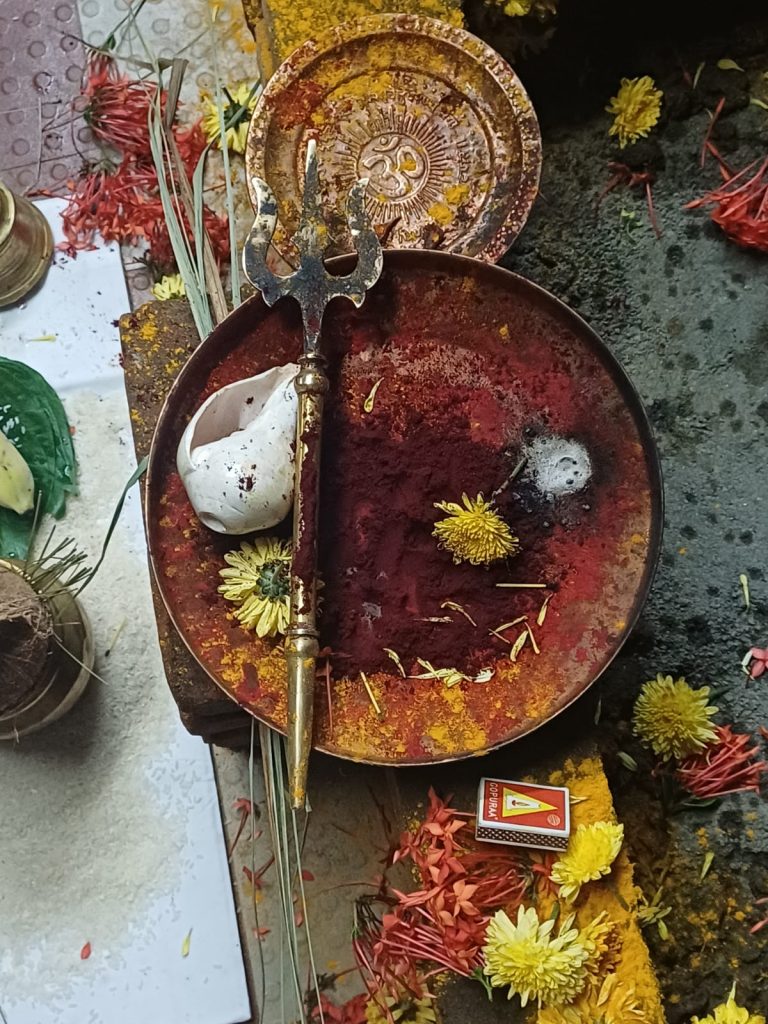
Devotees visit Sugandha Shakti Peetha with great reverence, seeking blessings from Goddess Sunanda and Lord Tryambak. The temple complex, though modest, is packed with spiritual energy, offering a serene environment for meditation and worship. Pilgrims often spend their days exploring the surrounding areas, which are rich in natural beauty and historical landmarks, further enriching their spiritual journey.
- Best Time to Visit: The best time to visit Sugandha Shakti Peetha is during the cooler months, from October to February, when the climate is more favorable for travel and outdoor activities.
- Accommodations: Shikarpur and its vicinity offer a range of accommodations, from budget-friendly guesthouses to more luxurious hotels, catering to the diverse needs of pilgrims and tourists.
- Cultural Events: The area hosts several cultural and religious festivals throughout the year, including the auspicious occasion of Navaratri, which is celebrated with great zeal and fervor.
Conclusion
Sugandha Shakti Peetha stands as a beacon of spiritual enlightenment and cultural heritage, connecting the past with the present through the timeless stories of Hindu mythology. As one of the 64 Shakti Peethas, it reminds us of the universal themes of love, loss, and the eternal quest for the divine. For those who seek to experience the essence of these sacred sites, Sugandha Shakti Peetha is a must-visit destination.
Frequently Asked Questions
What is the significance of Sugandha Shakti Peetha?
Sugandha Shakti Peetha is significant because it is believed to be the site where Sati’s nose fell, making it one of the 64 Shakti Peethas.
Which Goddess and Bhairava are worshipped at Sugandha Shakti Peetha?
The Goddess worshipped at Sugandha Shakti Peetha is Sunanda, and the Bhairava is Tryambak.
What is the best time to visit Sugandha Shakti Peetha?
The best time to visit is from October to February, when the climate is cooler and more favorable.
Test Your Knowledge and Win Coupons to Get Discounts
Have a correction or improvement to suggest?
Log in or create a free accountRelated Videos

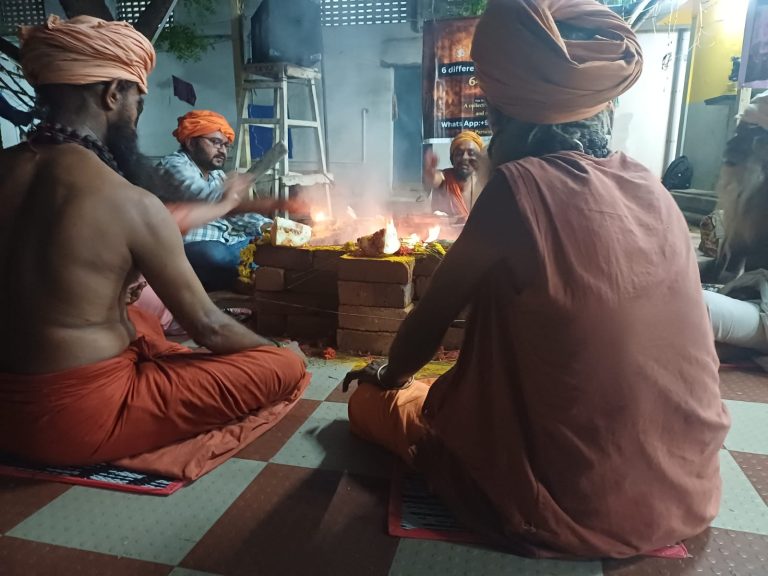
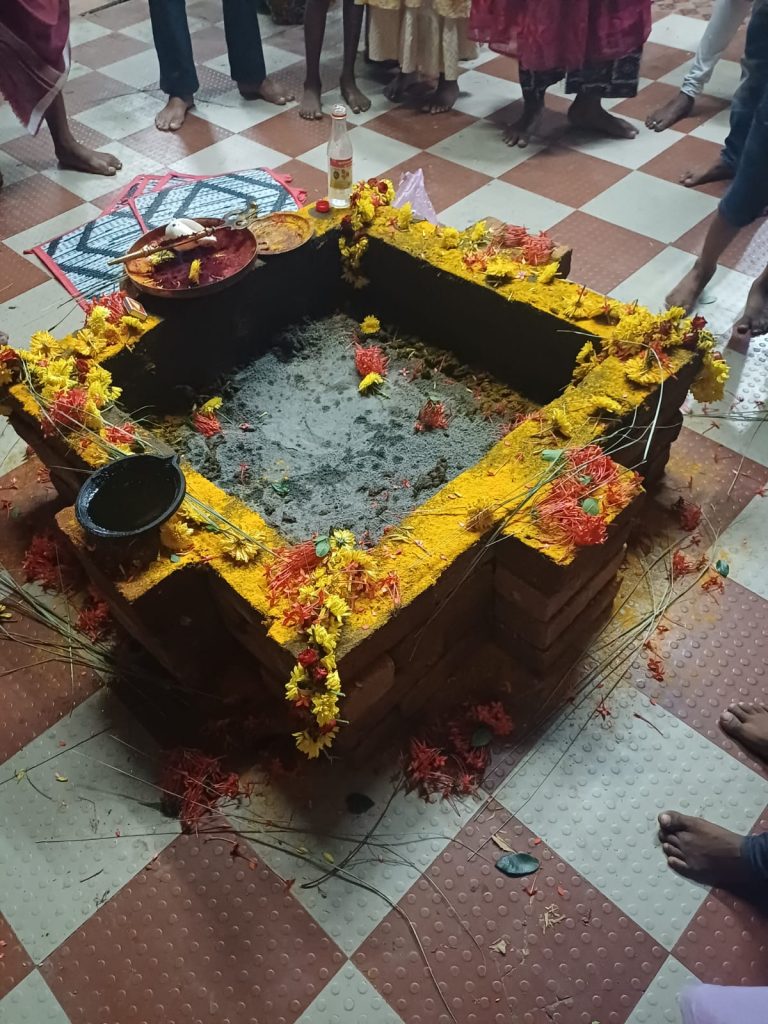
Sacred Fire Journey: 64 Havans at 64 Shakti Peeths Explained

64 Shakti Peeth Havan – fourth Havan At Chamundi Hills mysore

5th Havan of the 64 Shakti Peeth Havan — Srisailam

64 Shakti Peeth Havan – Third Havan at Kanyakumari

64 Shakti Peeth Havan – Second Havan in Kanchipuram

Cultural insight individualisms and spirituality in America

Understanding shakthi.

why your body might be different the cultural impact on yoga




Leave a Reply