Introduction to Padmasana
Padmasana, also known as the Lotus Pose, is a seated yoga posture that has been practiced for centuries in Eastern cultures. It is considered one of the most sacred and beneficial poses in yoga, offering numerous physical, mental, and spiritual benefits. In this article, we will delve into the world of Padmasana, exploring its history, benefits, and tips for practicing this pose.
History of Padmasana
The lotus flower is often referenced in texts such as the Bhagavad Gita and the Upanishads, symbolizing purity and spiritual awakening.
Benefits of Padmasana
Padmasana is said to improve concentration and meditation practice, as noted in the Hatha Yoga Pradipika, which emphasizes its role in achieving a steady mind and controlling the breath.
- Improved flexibility and balance
- Enhanced mental clarity and focus
- Reduced stress and anxiety
- Improved posture and spinal alignment
- Increased energy and vitality
How to Practice Padmasana
To practice Padmasana, follow these steps:
- Sit on the floor with your legs straight out in front of you.
- Bend your right knee and place your right foot on top of your left thigh.
- Bend your left knee and place your left foot on top of your right thigh.
- Lengthen your spine and engage your core muscles.
- Place your hands on your knees or in your lap.
- Close your eyes and focus on your breath.
Common Mistakes to Avoid
When practicing Padmasana, it’s essential to avoid common mistakes that can lead to discomfort, injury, or ineffective practice. Some mistakes to watch out for include:
- Insufficient hip flexibility
- Incorrect spine alignment
- Failure to engage the core muscles
- Not using props or modifications when needed
Frequently Asked Questions
What is the purpose of Padmasana?
The purpose of Padmasana is to promote physical, mental, and spiritual well-being by improving flexibility, balance, and focus.
Is Padmasana suitable for beginners?
While Padmasana can be challenging for beginners, it is accessible with proper guidance, modifications, and practice.
How long should I hold Padmasana?
The duration of holding Padmasana depends on individual comfort and practice level, but it’s recommended to start with short holds and gradually increase the time.
Padmasana in Classical Texts
In the Hatha Yoga Pradipika, Padmasana is described as a pose that helps in achieving a steady mind and prepares the practitioner for meditation. It emphasizes the importance of the pose in controlling the breath and calming the mind.
The Spiritual Significance of Padmasana
Padmasana is not just a physical posture; it holds deep spiritual significance in yoga. It is often associated with the awakening of Kundalini energy and is used in various meditation practices to enhance focus and inner peace. The pose is mentioned in texts like the Yoga Sutras of Patanjali, which highlight the importance of a stable seat for meditation.
Variations and Modifications of Padmasana
For those who find full Padmasana challenging, variations like Ardha Padmasana (Half Lotus) can be beneficial. This modification allows practitioners to gradually increase hip flexibility and comfort in the pose. The benefits of these variations are discussed in texts like the Hatha Yoga Pradipika.
Test Your Knowledge and Win Coupons to Get Discounts
Have a correction or improvement to suggest?
Log in or create a free accountRelated Videos

The importance of Padmasana.

why physical yoga is your spiritual foundation

Why Yoga Isn't Crazy Understanding the True Power Behind the Practice

Balancing Motherhood and Fitness with Power Practice and Yoga

is your yoga practice just another addiction

How Online Yoga Classes and Tutorials Can Transform Your Practice Anytime, Anywhere!

#141 Trikonasana. Learn yoga with anu?
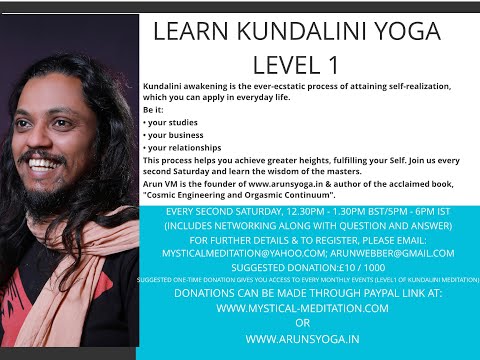
Online Kundalini Yoga Learning Session Level 1 For Beginners









Leave a Reply