Introduction to Chintpurni
Chintpurni, perched in the Shivalik foothills of Himachal Pradesh, is celebrated as a potent form of the Mother Goddess. The name itself combines chint (worry) and purni (fulfilled), promising devotees that their anxieties will be soothed.
Mythological Roots
According to local lore, the goddess appeared to a sage named Shri Bhrigu to relieve his torment over a cursed river. The divine intervention not only halted the curse but also transformed the surrounding forest into a sacred grove. Over centuries, this legend fused with broader Shakti traditions, designating Chintpurni as one of the lesser‑known Shakti Peethas.
Temple Architecture and Symbolism
The sanctuary showcases classic North Indian temple motifs: a square sanctum (garbhagriha), a pillared hall (mandapa), and a towering shikhara crowned with a kalasha. Intricate stone carvings depict scenes from the Devi Mahatmya, emphasizing the goddess’s role as both protector and nurturer.
Key Architectural Features
- Garbhagriha housing the Chintpurni Devi idol, crafted from black stone.
- Silver‑plated doors that are opened only during major festivals.
- A circumambulatory path (pradakshina) lined with marble pillars inscribed with Vedic verses.
Pilgrimage Practices
Devotees typically undertake a trek of 3 km from the nearby town of Una, climbing steep steps that symbolize the ascent from worldly concerns to divine clarity. Many observe a fast, abstain from non‑vegetarian food, and chant the mantra Om Chintpurni Devi Namah throughout the journey.
Festivals and Celebrations
The most vibrant observance occurs on Navratri, when the temple is illuminated with oil lamps and devotees perform a night‑long jagran. Another highlight is the annual Chintpurni Fair, attracting artisans, food stalls, and spiritual discourses.
Travel Tips for First‑Time Visitors
To make the most of your pilgrimage, consider the following:
- Visit during the cooler months of October to March for pleasant weather.
- Arrange local transport from the railway station at Una; shared jeeps are common.
- Carry a small donation for the temple’s charitable kitchen, which serves free meals (langar) to all pilgrims.
Conclusion
Whether you seek relief from personal worries or wish to immerse yourself in a living tradition, Chintpurni offers a unique blend of myth, architecture, and heartfelt devotion. The journey up the stone steps becomes a metaphor for letting go, and the goddess’s benevolent gaze reminds every pilgrim that peace is within reach.
Frequently Asked Questions
What does the name 'Chintpurni' mean?
It combines ‘chint’ (worry) and ‘purni’ (fulfilled), indicating the goddess removes anxieties.
When is the main festival celebrated at Chintpurni?
The main celebration occurs during Navratri, especially the ninth day.
Which sage is associated with the origin story of Chintpurni?
Sage Shri Bhrigu is linked to the legend of the goddess appearing to relieve his torment.
What material are the temple doors made of?
The doors are silver‑plated and opened only on major festivals.
Test Your Knowledge and Win Coupons to Get Discounts
Have a correction or improvement to suggest?
Log in or create a free accountRelated Videos

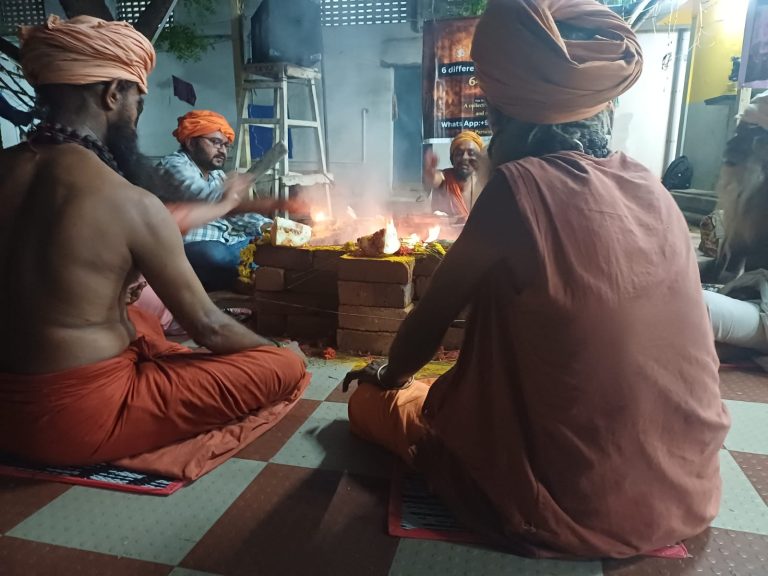
Navaratri day 1 havan for devi shailaputri.

packing prasad to everyone who has contributed on srisailam havan.

Jogulamba Temple The Next Havan location 6th of 64

5th Havan of the 64 Shakti Peeth Havan — Srisailam

Fifth havan out of 64 in srisailam.

At India's largest tiger reserve getting ready for our fifth havan. all are welcome

Pvt group initiation into yoni mudra and tantra @mysore.

Kali yantra bags are available







Leave a Reply