What is Matsya Kridasana?
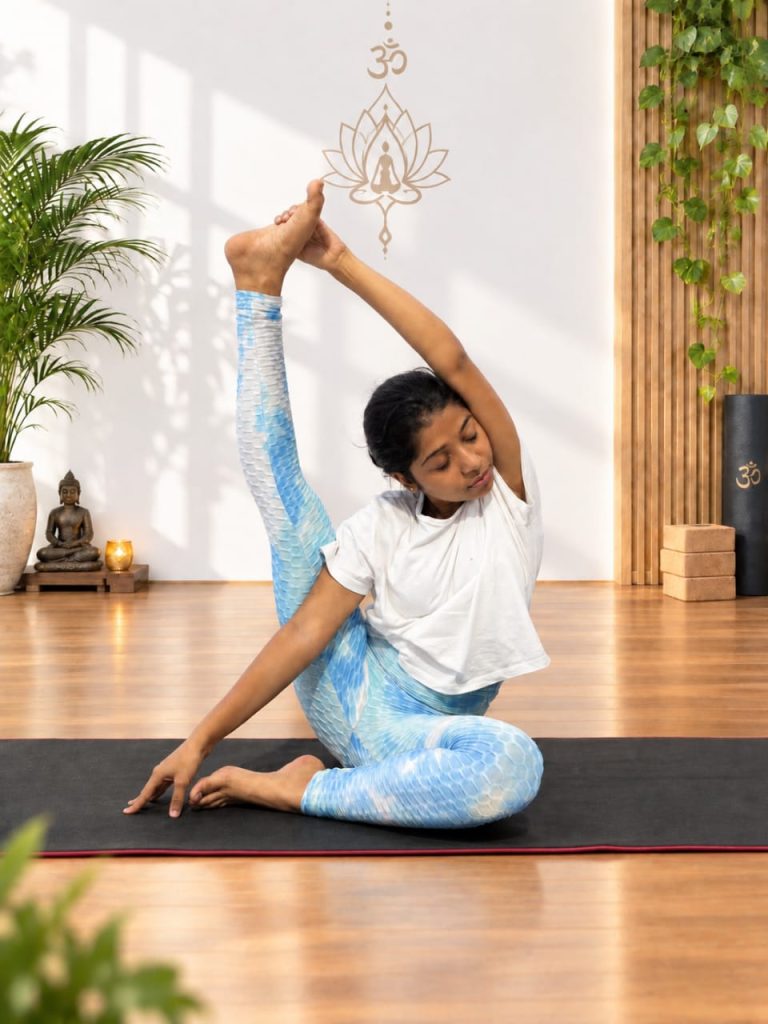
Matsya Kridasana, known in English as the Flipping or Flapping Fish Pose, is an advanced balancing posture that combines a hip opener with a dynamic arm and torso extension. The name translates to “fish playing,” reflecting the playful, undulating quality of the pose.
Key Benefits
Practicing this pose regularly can improve core stability, enhance hip flexibility, and develop shoulder strength. Because the body must stay centered while the arms move like a fish’s fins, practitioners also gain better proprioception and mental focus.
- Strengthens the abdominal muscles and the deeper transverse core.
- Opens the hip joint, especially the external rotators.
- Stretches the chest, shoulders, and upper back.
- Improves balance and coordination, useful for other arm‑balancing asanas.
Preparation and Prerequisites
Before attempting Matsya Kridasana, be comfortable in poses that build similar foundations: Ardha Chandrasana (Half Moon), Vasisthasana (Side Plank), and Malasana (Garland Pose). Warm up the hips with Pigeon Pose and open the shoulders with Gomukhasana Arms. A strong core is essential; incorporate Boat Pose and Plank Variations into your warm‑up.
Step‑by‑Step Alignment
1. Start in a Wide‑Legged Standing Position
Feet should be about 3‑4 feet apart, toes pointing slightly outward. Ground through the outer edges of your feet.
2. Shift Weight to One Leg
Lift your left foot and place it on the inner thigh of the right leg, similar to Tree Pose. Keep the standing leg strong and engaged.
3. Open the Hip
Externally rotate the lifted leg, allowing the knee to point outward. If flexibility is limited, rest the foot on the shin or use a block.
4. Bring the Arms Into Position
Extend both arms overhead, palms facing each other. Begin the “flapping” motion by drawing the right arm down toward the ground while the left arm lifts, creating a wave‑like movement.
5. Find Balance
Engage the core, draw the shoulder blades down the back, and keep the gaze steady. Breathe deeply, maintaining the arm motion for 3‑5 breaths before releasing.
Common Mistakes and How to Fix Them
Rising Too Quickly – Jumping into the pose can strain the knees. Instead, transition slowly and use a wall for support.
Collapsed Shoulders – Letting the shoulders rise toward the ears reduces stability. Keep them pulled down and away.
Insufficient Hip Opening – If the hip feels tight, place a folded blanket under the thigh or practice hip‑opening stretches before the pose.
Modifications for Different Levels
Beginners can keep the lifted foot on the floor and practice the arm motion while rooted in Warrior II. Advanced students may deepen the arm wave, add a bind, or transition into a full inversion.
When to Include Matsya Kridasana in Your Practice
Because this pose taxes the nervous system, place it after a thorough warm‑up and before the cool‑down. It works well in a dynamic flow focused on balance and opening, or as a standalone practice in a strength‑building sequence.
Frequently Asked Questions
What primary muscle groups does Matsya Kridasana target?
Core, hips, and shoulders
Is Matsya Kridasana suitable for beginners?
No, it is an advanced pose
Can you use props for Matsya Kridasana?
Yes, a block or blanket can support the lifted leg
What is a common cue to keep the shoulders safe?
Draw the shoulder blades down the back
Test Your Knowledge and Win Coupons to Get Discounts
Have a correction or improvement to suggest?
Log in or create a free accountRelated Videos

Explaining the Wheel Pose to a Blind Person

#141 Trikonasana. Learn yoga with anu?

Mastering Core Strength and Balance The Challenge Behind Simple Looking Yoga Poses

#145 Vrikshasana Learn Yoga with Anu?

Prakruthi is the ultimate nature of the core feminine.

#144 Chakrasana Learn yoga with anu?

Balancing Motherhood and Fitness with Power Practice and Yoga

How I Build an Open Source Rickrolling Link Generator with Node.js


Leave a Reply