History of the Hayaśīrṣa Saṁhitā
The Hayaśīrṣa Saṁhitā emerged during the early medieval period, roughly between the 9th and 11th centuries CE, as part of the broader Agama corpus that codifies temple rituals, deity worship, and theological exposition. Scholars trace its composition to a lineage of sages linked to the ancient city of Varanasi, where oral traditions were gradually committed to palm‑leaf manuscripts. The text reflects a transitional phase when Shaiva and Vaishnava motifs intertwined, offering a unique window into the syncretic religious climate of its time.
Manuscript Tradition and Preservation
Original copies of the Saṁhitā survived in several regional libraries, notably the Sarasvati Mahal Library in Tamil Nadu and the Bhandarkar Oriental Research Institute in Maharashtra. Over centuries, scribes added marginal notes, creating a layered commentary tradition that modern researchers still decode. The most widely cited edition was published in 1974 by the Sanskrit Society of Delhi, which standardized the verses and provided a critical apparatus for comparative study.
Core Teachings and Philosophical Themes
At its heart, the Hayaśīrṣa Saṁhitā emphasizes the principle of śrī (divine auspiciousness) as the underlying energy that animates all rituals. It delineates three primary pathways for practitioners: kriyā (action), jñāna (knowledge), and bhakti (devotion). Each pathway is illustrated through mythic narratives, such as the tale of Hayaśīrṣa, a sage whose hair‑like rays of light symbolize the illumination of consciousness when ritual purity is achieved.
Ritual Structure and Daily Practice
The Saṁhitā provides a step‑by‑step manual for daily puja, including the precise timing of sandhyā (twilight) offerings, the arrangement of sacred items, and the chanting of specific mantras. It stresses the importance of aligning personal breath with the rhythmic pattern of the āhuti (sacred offering), arguing that this synchronization bridges the material and transcendental realms. Modern practitioners often adapt these guidelines to contemporary temple settings, preserving the essence while accommodating practical constraints.
Significance for Modern Devotees
In today’s spiritual landscape, the Hayaśīrṣa Saṁhitā serves both as a historical document and a living guide. Its emphasis on inner purity resonates with contemporary mindfulness movements, while its detailed ritual schema offers a concrete framework for those seeking structured worship. Many teachers cite the Saṁhitā when discussing the integration of knowledge and devotion, noting that its balanced approach prevents the pitfalls of extreme asceticism or unchecked materialism.
Contemporary Applications
Community centers across India and the diaspora have incorporated selected verses into weekly study circles, often pairing them with meditation sessions that focus on the visualisation of “hair‑like rays of light.” Academic conferences on Agamic literature frequently feature panels on the Hayaśīrṣa Saṁhitā, highlighting its influence on later Tantric texts. Moreover, digital platforms now host annotated translations, making the work accessible to non‑Sanskrit speakers eager to explore its timeless wisdom.
Why the Saṁhitā Matters for Practitioners
Beyond its ritual instructions, the text offers a philosophical lens through which devotees can interpret everyday challenges. By framing obstacles as disruptions in the flow of śrī, practitioners are encouraged to restore harmony through disciplined practice, ethical conduct, and heartfelt devotion. This holistic approach ensures that the Hayaśīrṣa Saṁhitā remains a vibrant, relevant source of guidance for anyone seeking a deeper connection with the divine.
Frequently Asked Questions
When was the Hayaśīrṣa Saṁhitā likely composed?
Between the 9th and 11th centuries CE
What three pathways does the Saṁhitā outline for spiritual progress?
Kriyā, jñāna, and bhakti
Which city’s manuscript tradition helped preserve the Saṁhitā?
Varanasi
What symbolic element represents illumination in the Saṁhitā’s mythology?
Hair‑like rays of light
How do modern practitioners often use the Saṁhitā in daily worship?
Adapt its ritual guidelines to contemporary temple settings
Test Your Knowledge and Win Coupons to Get Discounts
Have a correction or improvement to suggest?
Log in or create a free accountRelated Videos

Worship in oriental concept is extremely diffrent from Semitic religions. Example Ram Mandir ayodhya

I Performed The Japanese *Hitori Kakurenbo* Ritual at 3:33 am 💀 *Ghost caught on camera* 😰

Vidya is not mere knowledge. It is something which helps you to travel from darkness to light.
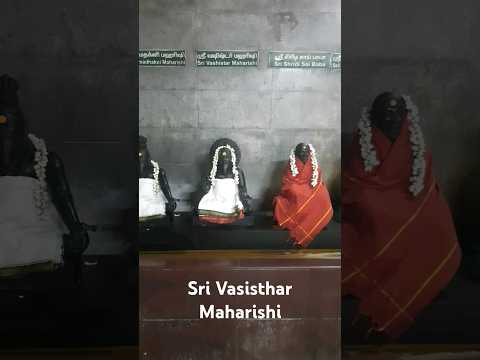
#125 Sri vasisthar maharishi. Sheshadri asrm @thiruvannamalai

Giving offering to serpent energies on naga panchami. #nakshatravanam

Understanding a deity.

The Ignorance of Success_ A Modern Dilemma

#129 Sri esaki swamigal. sheshadri swamigal asrm @thiruvannamalai.










Leave a Reply