Introduction
Jñānasaṅkulī Tantra occupies a distinctive place among the Nigama corpus, weaving together philosophical insight and ritual praxis. While many Tantric works emphasize external rites, this text foregrounds knowledge (jñāna) as the primary vehicle for liberation.
Historical Background
The composition of Jñānasaṅkulī Tantra is dated to the early medieval period, roughly between the 9th and 11th centuries CE. Scholars link its emergence to the intellectual ferment in eastern India, where Shaiva, Vaishnava, and Buddhist streams intersected.
Early Manuscripts
Surviving palm-leaf copies were discovered in the temples of Odisha and West Bengal. These manuscripts share linguistic features with other Nigama texts, such as the use of kārikās followed by elaborate commentaries.
Core Teachings
The tantra delineates a three‑fold path:
- Śravaṇa – listening to the revealed teachings.
- Manana – reflecting on the meaning of those teachings.
- Nididhyāsana – deep meditation that internalises the insight.
Unlike ritual‑centric Tantras, Jñānasaṅkulī stresses that the true śakti arises from the mind’s purified understanding, not merely from external fire ceremonies.
Knowledge as a Path
The text uses the metaphor of a “basket of knowledge” (saṅkulī) to illustrate how diverse doctrinal threads are gathered and integrated. Each “grain” represents a specific insight—such as the nature of the self, the impermanence of phenomena, and the unity of consciousness.
Ritual Practices
While knowledge is primary, the tantra does prescribe supportive rituals:
- Mantra recitation that aligns the practitioner’s breath with the syllable ‘Om’.
- Simple mudrās that symbolise the union of wisdom and compassion.
- Observance of a monthly jñāna‑purnima fast, during which practitioners study the text in silence.
These practices are intentionally minimal, designed to keep the focus on internal realisation.
Contemporary Relevance
Modern teachers have adapted Jñānasaṅkulī’s framework for secular mindfulness programs, highlighting its emphasis on reflective inquiry. Its teachings resonate with contemporary seekers who value intellectual depth alongside spiritual experience.
In academic circles, the tantra is cited as evidence of a broader trend toward “inner Tantra” during the medieval era—a movement that balanced ritual with philosophical rigor.
Conclusion
Jñānasaṅkulī Tantra reminds us that true liberation emerges when knowledge is lived, not merely studied. Its historic roots, clear doctrinal structure, and adaptable practices ensure that it remains a living source of insight for both traditional practitioners and modern spiritual aspirants.
Frequently Asked Questions
When was Jñānasaṅkulī Tantra likely composed?
Between the 9th and 11th centuries CE.
What is the primary focus of Jñānasaṅkulī Tantra?
The cultivation of knowledge (jñāna) as the path to liberation.
Which three practices form the core path outlined in the text?
Śravaṇa, Manana, and Nididhyāsana.
What monthly observance does the tantra recommend?
Jñāna‑purnima fast.
Test Your Knowledge and Win Coupons to Get Discounts
Have a correction or improvement to suggest?
Log in or create a free accountRelated Videos

Spiritual adventure to connect with instructor and get exclusive discount visit www.arunsyoga.in

navaratri havan 9 th day ending with poornavathi devi sidhidatri.

Navaratri havan day 8 gauri.
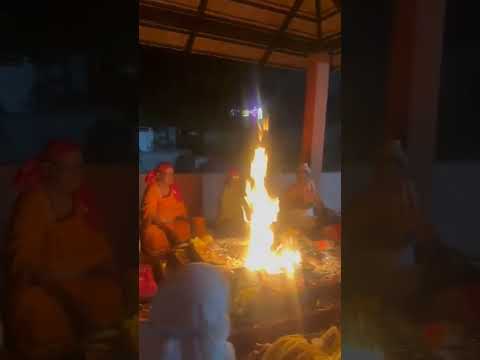
Navaratri havan day 7 devi kalaratri.

6th day navaratri havan devi karthyayini.

Navaratri havan day 5 skandamata.

Navaratri havan day 4 devi kushmanda.

Day 3 havan devi chamdrakanta









Leave a Reply