Introduction
The Sāṇḍilya Saṁhitā stands as a pivotal work within the Agamic corpus, offering a window into the ritual, philosophical, and devotional currents that shaped early medieval Hinduism. While many scholars focus on the more widely known Saṁhitās, the Sāṇḍilya text preserves a distinct lineage that continues to inform temple worship and scholarly study today.
Historical Background
Scholars date the composition of the Sāṇḍilya Saṁhitā to roughly the 6th–8th centuries CE, a period of intense textual production across the Indian subcontinent. The work likely emerged in the fertile cultural milieu of the Deccan, where multiple Shaiva and Vaishnava traditions intersected.
Origins of the Sāṇḍilya Lineage
The eponymous sage Sāṇḍilya is traditionally traced to a lineage of Vedic seers who migrated southward after the decline of the north‑Indian Brahmanical centers. Their migration facilitated the synthesis of Vedic ritual precision with regional devotional practices.
Compilation of the Saṁhitā
According to internal evidence, the Saṁhitā was compiled by a committee of priests under the patronage of a regional king seeking to codify temple rites. The text we have today reflects later redactions, but the core sections retain the original theological emphasis on purity, devotion, and the unity of the divine.
Core Teachings
Three interlocking themes dominate the Sāṇḍilya Saṁhitā: ritual purity, devotional service, and philosophical insight. Each theme is presented with practical instructions, mythic narratives, and contemplative verses.
- Ritual Purity: Detailed procedures for ablution, altar preparation, and the consecration of icons are outlined, emphasizing the need for both physical and mental cleanliness before worship.
- Devotional Service: The Saṁhitā extols the virtue of bhakti expressed through daily puja, chanting of specific mantras, and service to the priestly community.
- Philosophical Insight: Embedded verses discuss the nature of Brahman as both immanent and transcendent, inviting practitioners to contemplate the unity behind the multiplicity of deities.
Contemporary Significance
In modern temples across South India, priests still recite portions of the Sāṇḍilya Saṁhitā during daily rites. The text’s prescriptions for altar layout and incense offerings have become normative standards, especially in temples that follow the Agamic tradition.
Ritual Practice Today
Contemporary practitioners appreciate the Saṁhitā for its clear, step‑by‑step guidance. Many yoga centers incorporate its meditation verses into their curricula, recognizing the text’s capacity to bridge ritual and inner contemplation.
Academic Interest
Recent research in Indology highlights the Sāṇḍilya Saṁhitā as a case study for the diffusion of Agamic literature. Comparative analyses with the Viṣṇu and Lakṣmī Tantras reveal shared motifs, while also underscoring the Saṁhitā’s unique focus on temple architecture.
Conclusion
The Sāṇḍilya Saṁhitā remains a living document, offering both historical insight and practical guidance. Its blend of precise ritual instructions, heartfelt devotion, and philosophical depth continues to inspire scholars and devotees alike, confirming its enduring relevance in the tapestry of Hindu spiritual practice.
Frequently Asked Questions
When was the Sāṇḍilya Saṁhitā likely composed?
Between the 6th and 8th centuries CE.
What are the three main themes of the Saṁhitā?
Ritual purity, devotional service, and philosophical insight.
How is the Saṁhitā used in modern temple rituals?
Priests recite its verses during daily puja and follow its guidelines for altar setup.
Which region is most associated with the early development of the Sāṇḍilya tradition?
The Deccan plateau.
Test Your Knowledge and Win Coupons to Get Discounts
Have a correction or improvement to suggest?
Log in or create a free accountRelated Videos

I Performed The Japanese *Hitori Kakurenbo* Ritual at 3:33 am 💀 *Ghost caught on camera* 😰

KamaSutra a text that helps you to experience greater intimacy.

Adi #shankara speaks about #divine #unity. #shorts
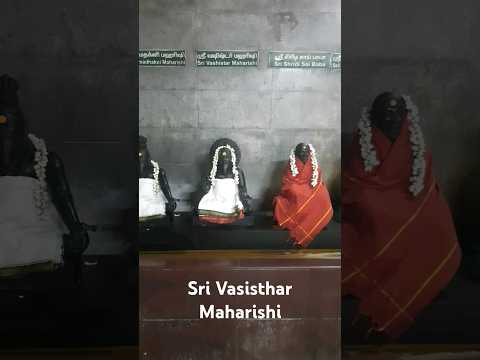
#125 Sri vasisthar maharishi. Sheshadri asrm @thiruvannamalai

Cultural insight individualisms and spirituality in America

Arthanarishwara is the philosophical equivalent of yin and yang.

Get a Free Complimentary Personalised Tarot Reading! From Me Connect with Me Today!

#116 Sri Ramakrishna Paramahamsar. Sheshadri asrm @thiruvannamalai










Leave a Reply