Introduction
The Kalpasāra stands as a cornerstone of the Nigama corpus, offering a systematic presentation of cosmology, ritual, and devotional practice. Though often mentioned alongside the more widely known Āgamas, the Kalpasāra carves a distinct identity through its emphasis on the cyclical nature of time and the role of divine grace in everyday life. Modern scholars and practitioners alike turn to this text to understand how ancient sages reconciled ritual precision with heartfelt devotion.
Historical Background
Composed sometime between the 5th and 9th centuries CE, the Kalpasāra emerged in a period of intense theological synthesis. It draws from earlier Vedic sacrificial manuals while integrating the devotional impulses that characterized the early Bhakti movement. Manuscript evidence suggests that the work circulated primarily in the western Deccan, where temple-building flourished under regional dynasties. Over centuries, commentaries by luminaries such as Vīraśaṅkara and later scholars helped preserve its teachings.
Core Teachings
At its heart, the Kalpasāra presents three interlocking themes: the structure of cosmic time, the path of devotional service (bhakti‑yoga), and the ethical framework governing personal conduct. These themes are not merely theoretical; they are intended as practical guides for temple priests, ascetics, and householders alike.
Doctrine of Time
The text delineates four yugas—Satya, Treta, Dvapara, and Kali—and explains how each epoch reflects a gradual decline in divine potency. By understanding this cycle, practitioners can align their rituals to the prevailing cosmic conditions, thereby enhancing efficacy.
Path of Devotion
Kalpasāra stresses that sincere nama‑sankirtana (chanting the divine name) can counteract the entropy of the Kali age. It outlines specific mantras, prescribed frequencies, and communal formats that transform ordinary gatherings into potent spiritual events.
Ritual and Philosophical Significance
Rituals described in the Kalpasāra are meticulously detailed, from temple consecration rites to daily worship sequences. Yet the text repeatedly reminds readers that ritual without devotion is empty, while devotion without ritual lacks structure. This dual emphasis fosters a balanced spiritual life.
- Temple inauguration (pratishta) rituals calibrated to planetary alignments.
- Daily worship (nitya‑puja) sequences that incorporate mantra, mudra, and meditation.
- Community festivals designed to reinforce collective bhakti and social harmony.
Philosophically, the Kalpasāra integrates the concept of svabhava (intrinsic nature) with the doctrine of lila (divine play), presenting a worldview where the material and the divine are inseparably interwoven.
Contemporary Relevance
Today, the Kalpasāra informs both scholarly research and lived practice. Temple architects reference its architectural guidelines, while spiritual teachers draw upon its devotional formulas to address modern challenges such as digital distraction and ecological anxiety. Moreover, its teachings on cyclical time resonate with contemporary concerns about climate change, offering a spiritual framework for stewardship.
Conclusion
Whether approached as a historical document, a theological treatise, or a practical manual, the Kalpasāra remains a vibrant source of insight. Its synthesis of precise ritual instruction with expansive devotional vision continues to guide seekers who wish to harmonize tradition with the demands of the present age.
Frequently Asked Questions
When was the Kalpasāra likely composed?
Between the 5th and 9th centuries CE.
What are the three main themes of the Kalpasāra?
Cosmic time, devotional service, and ethical conduct.
Which practice does the Kalpasāra emphasize to counteract the effects of the Kali age?
Nama‑sankirtana (chanting the divine name).
How does the Kalpasāra view the relationship between ritual and devotion?
It sees them as complementary; ritual without devotion is empty, and devotion without ritual lacks structure.
Test Your Knowledge and Win Coupons to Get Discounts
Have a correction or improvement to suggest?
Log in or create a free accountRelated Videos

Spiritual adventure to connect with instructor and get exclusive discount visit www.arunsyoga.in

navaratri havan 9 th day ending with poornavathi devi sidhidatri.

Navaratri havan day 8 gauri.
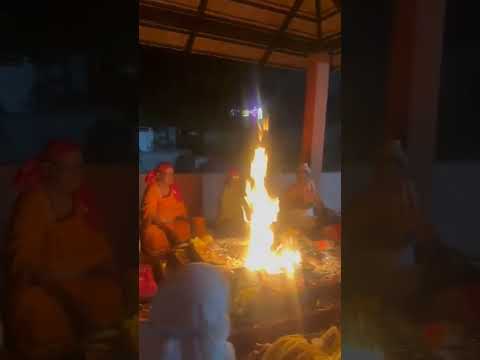
Navaratri havan day 7 devi kalaratri.

6th day navaratri havan devi karthyayini.

Navaratri havan day 5 skandamata.

Navaratri havan day 4 devi kushmanda.

Day 3 havan devi chamdrakanta










Leave a Reply