Introduction
The Vīra Saṁhitā occupies a distinctive place among the Agama texts, offering a blend of mythic narrative, ritual instruction, and ethical guidance. Though less widely known than some other scriptures, its emphasis on heroic conduct and inner strength resonates with contemporary seekers who value both tradition and personal empowerment.
Historical Background
Scholars generally date the composition of the Vīra Saṁhitā to the early medieval period, roughly between the 8th and 10th centuries CE. The text likely emerged in the southern Indian region, where Agamic traditions flourished under the patronage of temple communities. Manuscript evidence points to a lineage of oral transmission before being codified by a group of learned monks whose names have been lost to history.
Throughout the centuries, the Vīra Saṁhitā was copied by scribes in palm leaf and later paper, ensuring its survival across dynastic changes. Regional commentaries, especially from the 13th and 14th centuries, provide valuable insight into how early practitioners interpreted its verses, often linking the heroic archetype to local deities and courtly ideals.
Core Teachings
At its heart, the Vīra Saṁhitā teaches a three‑fold path:
- Śīla – ethical conduct grounded in truthfulness, non‑violence, and service.
- Sādhanā – disciplined practice that includes mantra, fire ritual, and visualization of the heroic spirit.
- Jñāna – insight into the nature of the self as an expression of divine bravery.
These pillars are interwoven with stories of legendary heroes who embody the ideal of selfless action. The text repeatedly stresses that true heroism is not the pursuit of fame but the steadfast commitment to dharma, even when faced with adversity.
Significance for Modern Practitioners
In today’s fast‑changing world, the Vīra Saṁhitā offers a framework for cultivating resilience. Practitioners often adapt its rituals—such as the symbolic “fire of courage”—into meditation sessions that reinforce mental fortitude. Moreover, the ethical teachings align closely with contemporary values of integrity and community service, making the text a practical guide for both personal growth and social responsibility.
Teachers of the Agama tradition increasingly reference the Vīra Saṁhitā to illustrate how ancient wisdom can be applied to modern challenges like stress, ethical dilemmas, and the search for purpose. By framing heroic action as an inner quality rather than external conquest, the text helps bridge the gap between mythic past and lived present.
Key Takeaways
- Historical roots trace back to early medieval South India.
- Emphasizes a balanced path of ethics, practice, and insight.
- Heroes serve as models for inner courage, not mere legend.
- Adaptable rituals support modern mindfulness and resilience.
- Continues to influence contemporary Agamic teaching and practice.
Conclusion
The Vīra Saṁhitā remains a vibrant source of inspiration for those seeking to integrate heroic virtue with spiritual depth. Its timeless messages about truth, disciplined practice, and inner strength demonstrate why this Agamic work still matters, offering a bridge between ancient tradition and the aspirations of today’s practitioners.
Frequently Asked Questions
When was the Vīra Saṁhitā likely composed?
Between the 8th and 10th centuries CE.
What are the three main pillars of practice in the Vīra Saṁhitā?
Śīla, Sādhanā, and Jñāna.
How do modern teachers adapt the Vīra Saṁhitā's rituals?
By incorporating symbolic fire ceremonies into meditation for courage.
What region is the Vīra Saṁhitā most closely associated with?
Southern India.
Test Your Knowledge and Win Coupons to Get Discounts
Have a correction or improvement to suggest?
Log in or create a free accountRelated Videos

KamaSutra a text that helps you to experience greater intimacy.
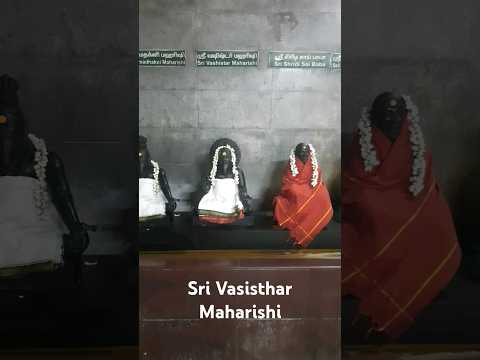
#125 Sri vasisthar maharishi. Sheshadri asrm @thiruvannamalai

#121 Sri Athri Maharshi. Sheshadri asrm @thiruvannamalai

Discover Your Archetype The Key to Personal Growth

How Simple Rituals Like Fire and Essential Oils Can Connect You to Your Intuition!

#117 Sri Sugar Brahmarishi. Sheshadri asrm @thiruvannamalai

Cultural insight individualisms and spirituality in America

#7- #9Embark on a Journey of Discipline and Responsibility: Unveiling the Strength of Shani(Saturn)










Leave a Reply