Historical Background
Kalpatattva, a seminal composition of the Nigama tradition, is believed to have been composed in the early medieval era, roughly between the ninth and tenth centuries CE. Scholars trace its origins to the southern regions of India, where a flourishing culture of scriptural synthesis encouraged the blending of devotional poetry with philosophical exposition. The text was transmitted orally by lineages of scholars before being committed to palm‑leaf manuscripts, which later migrated to monastic libraries across the subcontinent.
During the period of its composition, the broader Vaishnava movement was undergoing a consolidation of doctrinal positions. Kalpatattva served as a bridge, linking earlier Agamic literature with later theological commentaries. Its preservation was aided by the patronage of regional kings who endorsed the construction of temples and the establishment of study centers, ensuring that the text remained a living source of instruction.
Core Teachings
The central thrust of Kalpatattva is the affirmation of the divine nature of the Supreme Lord as both immanent and transcendent. It emphasizes three interrelated concepts: the eternal nature of the soul, the role of devotional service (bhakti), and the importance of ritual purity. These ideas are articulated through a series of verses that combine poetic imagery with logical argumentation.
- Soul Eternity – The text declares that each individual soul (jiva) is an immutable fragment of the divine, destined to return to the source through sincere devotion.
- Bhakti as Path – Kalpatattva outlines practical steps for cultivating love of the deity, including mantra recitation, temple worship, and compassionate action.
- Ritual Purity – Detailed instructions are provided for maintaining physical and mental purity, reinforcing the belief that external conduct mirrors inner devotion.
In addition to these pillars, the work introduces a nuanced discussion of the relationship between scriptural authority and lived experience, urging practitioners to balance scholarly study with heartfelt practice.
Spiritual Significance
For contemporary adherents, Kalpatattva remains a source of inspiration and guidance. Its teachings underscore the possibility of attaining divine communion without renouncing worldly responsibilities, a perspective that resonates with modern seekers who juggle professional and spiritual lives.
Moreover, the text’s emphasis on community worship and collective chanting reinforces the social dimension of devotion. Temples that follow the Nigama liturgy often incorporate verses from Kalpatattva into daily puja, creating a continuity that links present worshippers with centuries of tradition.
Contemporary Application
Modern scholars have begun to publish critical editions of Kalpatattva, accompanied by commentaries that translate its Sanskrit verses into regional languages. These efforts aim to make the work accessible to a broader audience, including diaspora communities.
In practice, teachers draw upon Kalpatattva’s principles to design curricula for youth education programs, emphasizing the integration of scriptural study, ethical conduct, and devotional music. Such initiatives illustrate the text’s adaptability to contemporary pedagogical needs.
Conclusion
Kalpatattva stands as a testament to the enduring vitality of the Nigama tradition. Its historical journey from oral transmission to printed scholarship mirrors the broader evolution of Hindu scriptural culture. By preserving its core teachings while inviting fresh interpretation, Kalpatattva continues to shape the spiritual landscape for generations to come.
Frequently Asked Questions
When was Kalpatattva likely composed?
Between the 9th and 10th centuries CE.
What are the three main pillars of Kalpatattva's teachings?
Soul eternity, bhakti as path, and ritual purity.
How is Kalpatattva used in modern temple worship?
Its verses are incorporated into daily puja and communal chanting.
What role did regional kings play in the preservation of Kalpatattva?
They patronized temples and study centers, facilitating its transmission.
Test Your Knowledge and Win Coupons to Get Discounts
Have a correction or improvement to suggest?
Log in or create a free accountRelated Videos

Spiritual adventure to connect with instructor and get exclusive discount visit www.arunsyoga.in

navaratri havan 9 th day ending with poornavathi devi sidhidatri.

Navaratri havan day 8 gauri.
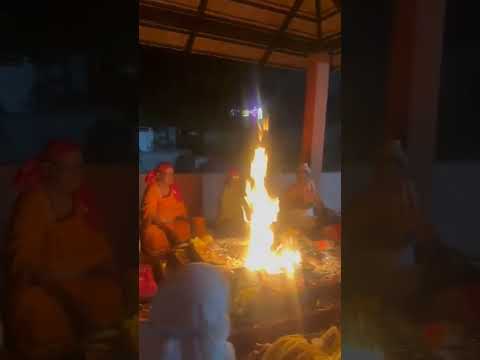
Navaratri havan day 7 devi kalaratri.

6th day navaratri havan devi karthyayini.

Navaratri havan day 5 skandamata.

Navaratri havan day 4 devi kushmanda.

Day 3 havan devi chamdrakanta










Leave a Reply