Introduction
Kalpalatā stands as a pivotal text in the Nigama corpus, offering a bridge between ancient revelation and present‑day practice. While its name may be less familiar than Kalpadruma or Kalpatattva, its influence permeates many ritual and philosophical strands of the Vaishnava tradition.
Historical Background
The composition of Kalpalatā is traditionally attributed to a lineage of sages who lived during the early medieval period, roughly between the 9th and 11th centuries CE. Manuscript evidence points to a South‑Indian origin, with early copies discovered in the temples of Tamil Nadu and Kerala. Scholars note linguistic features that align the text with other Nigama works such as the Uttaratantra and Viṣṇutantra.
Over the centuries, Kalpalatā travelled northward through monastic exchanges, gaining commentary in Sanskrit and later in regional languages. This transmission ensured its teachings remained vibrant, adapting to local devotional contexts while preserving the core doctrinal framework.
Core Teachings
Divine Manifestation
At the heart of Kalpalatā is the concept of the divine manifesting through a series of progressive emanations, often described as a kalpa‑tree that bears the fruits of devotion. The text outlines three primary stages:
- Śruti – the eternal, revealed knowledge.
- Smṛti – the remembered, scriptural expositions.
- Pravṛtti – the active, lived expression of devotion.
These stages guide the practitioner from intellectual understanding to heartfelt practice.
Path of Service (Sevā)
Kalpalatā emphasizes seva as the means to internalize the divine presence. It delineates four essential services:
- Temple construction and maintenance.
- Ritual worship (archana) of Viṣṇu.
- Dissemination of scriptural knowledge.
- Compassionate aid to the community.
Each service is presented not merely as duty but as a transformative act that purifies the soul.
Ritual Significance
Practitioners draw directly from Kalpalatā when structuring daily puja, especially the sequence of offerings known as the five‑fold worship. The text prescribes specific mantras, mudras, and incense selections that correspond to the theological themes of each emanation stage.
Moreover, the text offers detailed guidelines for consecrating new deities, aligning with the broader Agamic tradition of temple sanctification. These guidelines ensure that the divine energy invoked remains consistent with the doctrinal purity outlined in Kalpalatā.
Contemporary Relevance
Modern teachers continue to reference Kalpalatā when discussing the integration of scriptural study and lived devotion. Its clear articulation of the service hierarchy provides a practical roadmap for community leaders seeking to balance doctrinal fidelity with social outreach.
In academic circles, the text serves as a case study for how Nigama literature negotiates between revelation and ritual praxis, offering insight into the adaptive nature of Hindu tradition.
Conclusion
Kalpalatā may not enjoy the popular renown of some other Agamic works, yet its depth and practical orientation make it indispensable for anyone serious about the Nigama path. By tracing its history, absorbing its teachings, and applying its ritual formulas, practitioners find a timeless source of spiritual guidance.
Frequently Asked Questions
When was Kalpalatā likely composed?
Between the 9th and 11th centuries CE.
What are the three stages of divine manifestation described in Kalpalatā?
Śruti, Smṛti, and Pravṛtti.
Which service is NOT listed among the four essential services in Kalpalatā?
Pilgrimage to holy sites.
What role does Kalpalatā play in temple consecration?
It provides detailed guidelines for the ritual process.
Test Your Knowledge and Win Coupons to Get Discounts
Have a correction or improvement to suggest?
Log in or create a free accountRelated Videos

Spiritual adventure to connect with instructor and get exclusive discount visit www.arunsyoga.in

navaratri havan 9 th day ending with poornavathi devi sidhidatri.

Navaratri havan day 8 gauri.
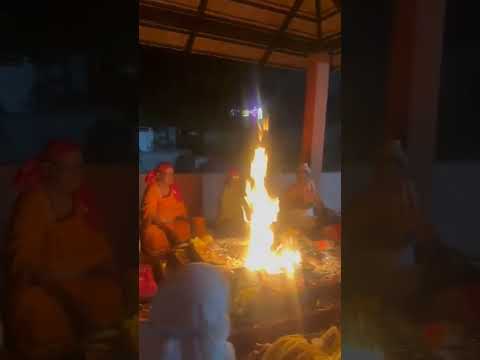
Navaratri havan day 7 devi kalaratri.

6th day navaratri havan devi karthyayini.

Navaratri havan day 5 skandamata.

Navaratri havan day 4 devi kushmanda.

Day 3 havan devi chamdrakanta










Leave a Reply