Introduction to Tantra and the 64 Yoginis
Tantra, an ancient Eastern spiritual practice, has been shrouded in mystery for centuries. One of the most intriguing aspects of Tantra is the concept of the 64 Yoginis, a group of female deities believed to embody the divine feminine. Despite their significance, many myths and misconceptions surround these powerful beings. In this article, we will delve into the world of Tantra and the 64 Yoginis, separating fact from fiction and exploring their role in yoga philosophy and Hindu mythology.
The Origins of Tantra and the 64 Yoginis
The origins of Tantra date back to ancient India, where it was practiced as a means of spiritual growth and self-realization. The 64 Yoginis, also known as the Matrikas, were believed to be the feminine manifestations of the divine, each representing a unique aspect of the goddess. These powerful deities were often depicted in Tantric rituals and practices, which aimed to balance the masculine and feminine energies within the practitioner.
Common Myths About Tantra and the 64 Yoginis
Over time, several myths have emerged about Tantra and the 64 Yoginis, often perpetuating misconceptions about these ancient practices. Some common myths include the notion that Tantra is solely focused on sexual rituals, or that the 64 Yoginis are merely a group of goddesses worshipped in Hindu mythology. However, the truth is that Tantra encompasses a wide range of spiritual practices, including meditation, yoga, and energy work, all aimed at achieving a deeper understanding of the self and the universe.
- Tantra is not just about sex; it’s about balancing and harnessing the body’s energy to achieve spiritual growth.
- The 64 Yoginis are not just goddesses; they represent the feminine aspects of the divine, embodying qualities such as compassion, wisdom, and creativity.
- Tantric rituals are not just about worship; they are about tapping into the divine feminine and balancing the masculine and feminine energies within the practitioner.
Conclusion
In conclusion, the world of Tantra and the 64 Yoginis is complex and multifaceted, full of rich symbolism and spiritual significance. By debunking common myths and misconceptions, we can gain a deeper understanding of these ancient practices and their role in yoga philosophy and Hindu mythology. Whether you’re a seasoned practitioner or just starting to explore the world of Tantra, remember that the true power of these practices lies in their ability to transform and empower the individual, allowing us to tap into the divine feminine and achieve a deeper sense of balance and harmony within ourselves and the world around us.
Frequently Asked Questions
What is Tantra?
Tantra is an ancient Eastern spiritual practice aimed at achieving spiritual growth and self-realization through various practices, including meditation, yoga, and energy work.
Who are the 64 Yoginis?
The 64 Yoginis, also known as the Matrikas, are a group of female deities believed to embody the divine feminine, each representing a unique aspect of the goddess.
What is the significance of Tantric rituals?
Tantric rituals are aimed at tapping into the divine feminine and balancing the masculine and feminine energies within the practitioner, allowing for spiritual growth and self-realization.
Test Your Knowledge and Win Coupons to Get Discounts
Related Products & Services
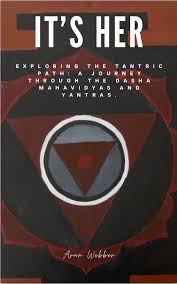
Its her (Paper back) Signed By Arun
Exploring the Tantric Path" is a comprehensive guide that delves into the sacred teachings of Tantra through the exploration of…
₹299
Order on WhatsApp
Tantrik yoga retreat with satyama.
Imagine a week where grand life lessons in love, spirituality and your sexuality can happen every day with a small…
€2,000
Connect on whatsapp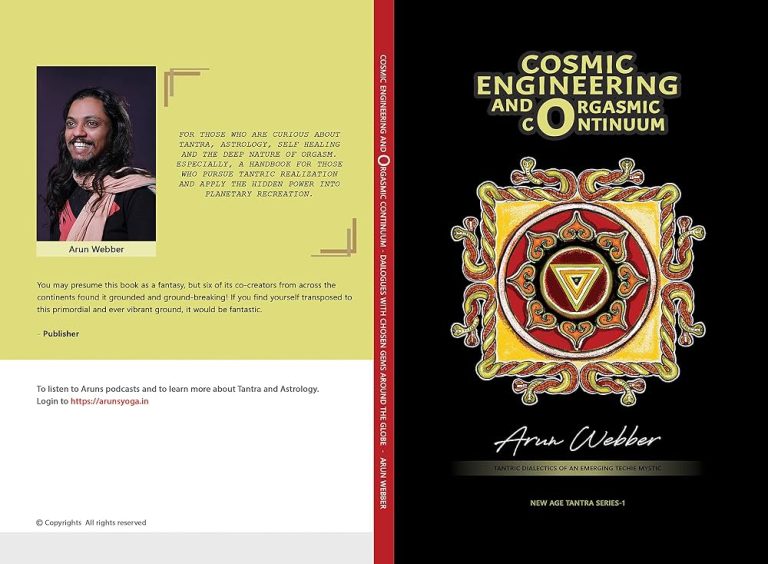
Cosmic engineering and orgasmic continum New age tantra series-1(Paper Back)
Cosmic Engineering And Orgasmic Continuum" is a 2021 spiritual book by Arun Webber that explores Tantra, self-healing, and the nature…
₹499
Order on WhatsApp
Start your tantra sadhana with your specefic deity
If you’re not sure where or how to begin your Tantra Sadhana, contact us today. Receive a **handcrafted, energized Yantra**…
₹5,000
Order on WhatsApp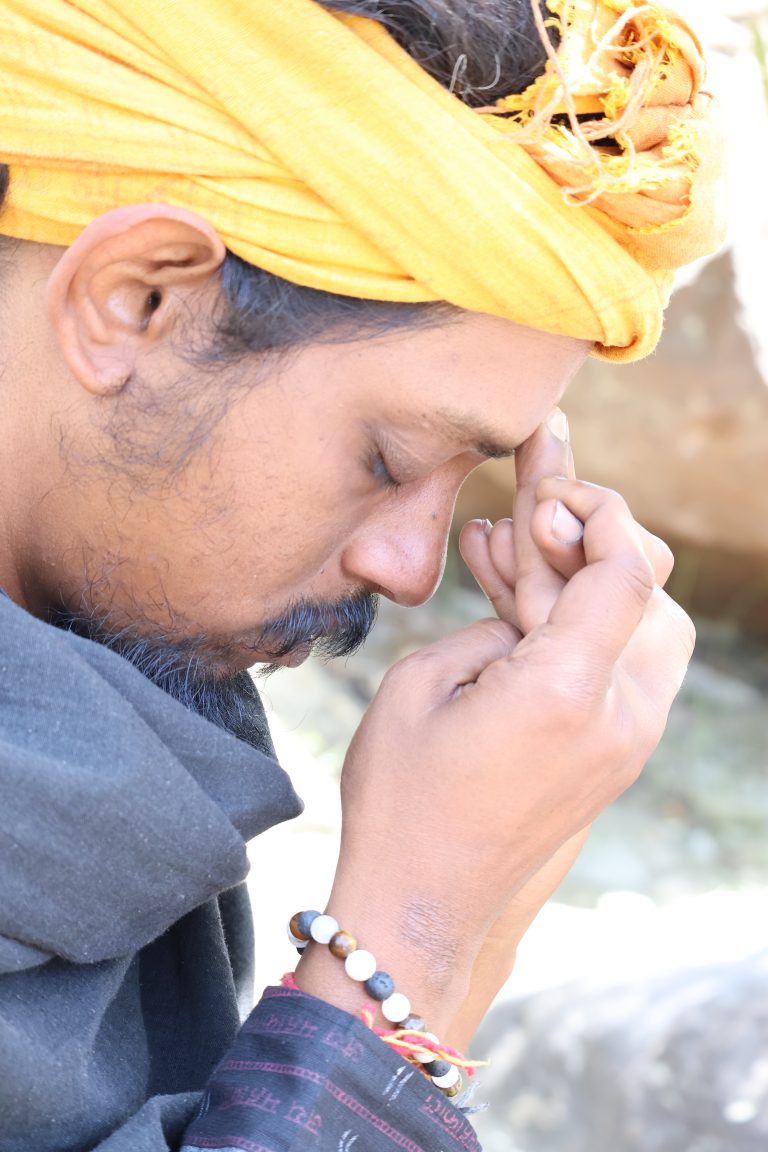
Learn yoni mudra Meditation With Arun.(Private , Group Online and Offline )
The Yoni Mudra is a powerful hand gesture that, when combined with specific breathing and mantras, can immediately generate high-frequency…
₹1,250
Order on WhatsApp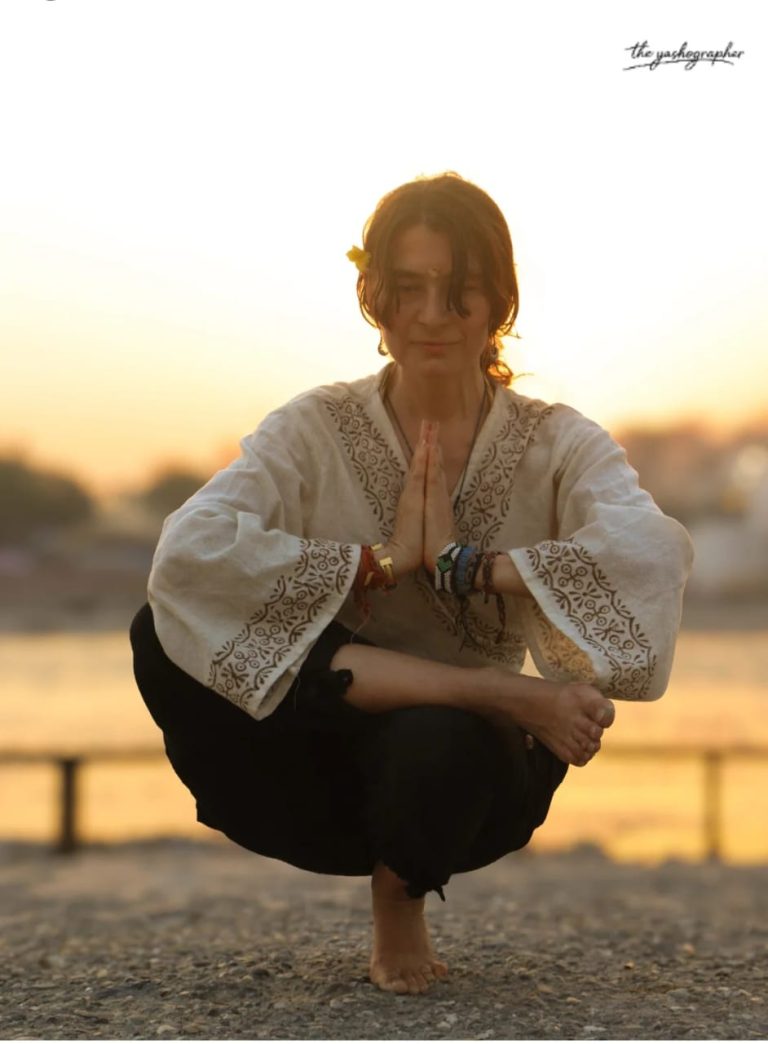
🌿 Private and Group Hatha, Vinyasa & Yoga Nidra Sessions with Lyubov
🔱Hatha, vinyasa yoga 🔱Yoga nidra 🌿What it will give?: ballance, inner peace, mindfulness, emotional release, relaxation, flexibility, strength, improve the…
₹0
Connect on whatsapp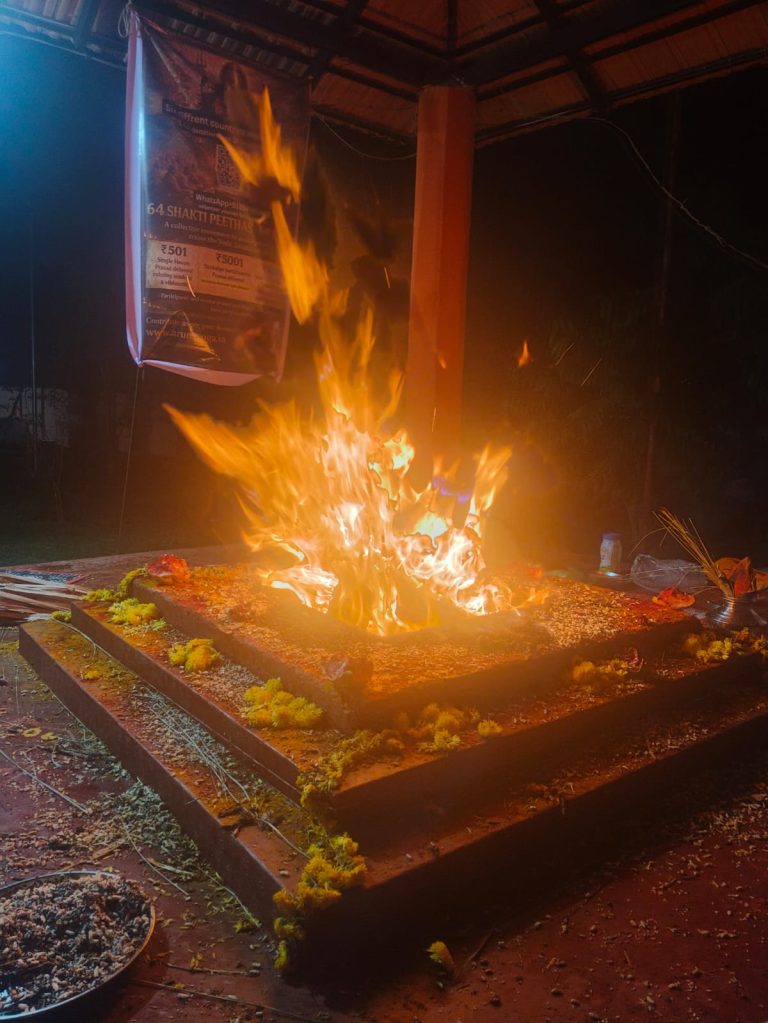
Private & Group Tantrik Havan
Conduct private and group Tantrik havans to increase and channelise energy in your own property, ashram, or spiritual centre.
₹50,000
Contact Today
Astrology and NLP with kavya.
At Kaviya Devendhiran – NLP Master Practitioner & Life Coach, we help individuals create positive and lasting transformation by changing…
₹500
Connect on whatsapp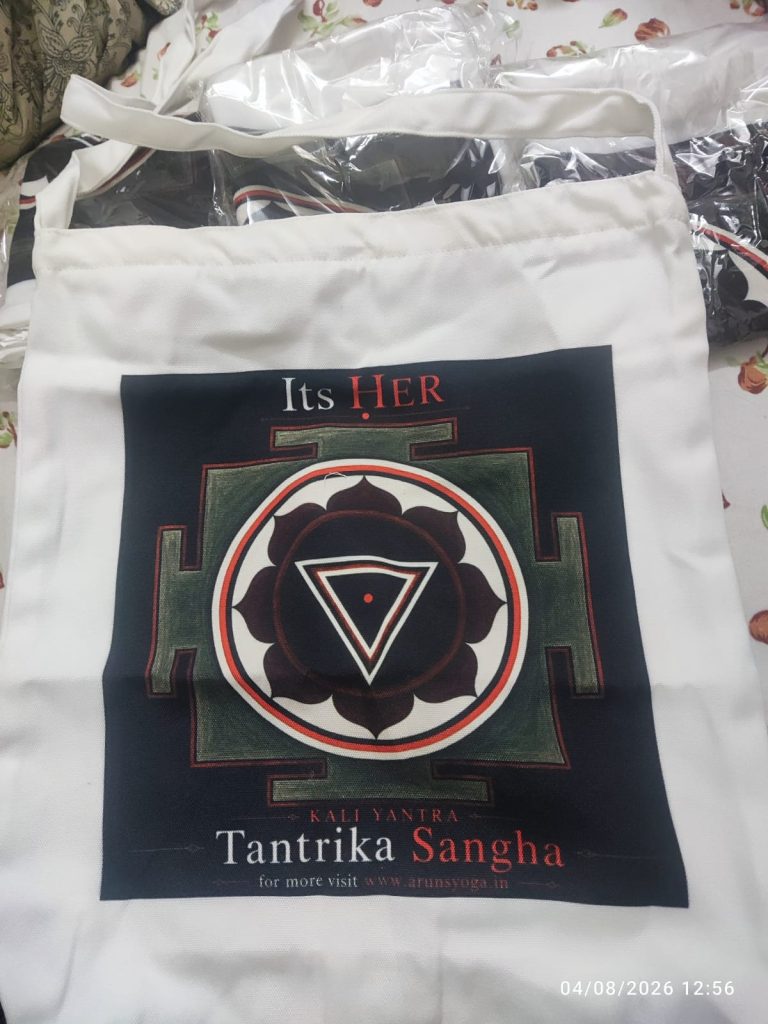
Kali Yantra Side Bags For Sangha By Arun
Carry your essentials with the protective presence of the Kali Yantra. Designed for spiritual practitioners and seekers, this side bag…
₹699
Order on WhatsAppMost Viewed Products And Services
Learn yoni mudra Meditation With Arun.(Private , Group Online and Offline )
The Yoni Mudra is a powerful hand gesture that, when combined with specific breathing and mantras, can immediately generate high-frequency…
₹1,250
Order on WhatsApp
🌿 Private and Group Hatha, Vinyasa & Yoga Nidra Sessions with Lyubov
🔱Hatha, vinyasa yoga 🔱Yoga nidra 🌿What it will give?: ballance, inner peace, mindfulness, emotional release, relaxation, flexibility, strength, improve the…
₹0
Connect on whatsapp
Kali Yantra Side Bags For Sangha By Arun
Carry your essentials with the protective presence of the Kali Yantra. Designed for spiritual practitioners and seekers, this side bag…
₹699
Order on WhatsAppHave a correction or improvement to suggest?
Log in or create a free accountRelated Videos

Balancing my #feminine and #masculine #energy with #yoga. #shorts

Felicity feline sharing her experience with yoga. #meditation #tantra #yoga

The cult of yoginis- A discussion with nilanjana And her books about yoginis.

Art exhibition in stirling arunai ananda thiru. #tarot as #cardreading #astrology#tantra #shorts

#smiling with #Lucia #tantra #spirituality #spiritual #joke #shorts

Exploring the Divine Feminine and Masculine VEED

In tantra there are different sounds are used which can heal you in a deeper way.

The Role Of Tantra In Empowering Women


Leave a Reply