Introduction to Yoginis
<p[Yoginis are powerful female beings that have been depicted in various forms of tantric art and sacred iconography across different cultures, particularly in Hindu and Buddhist traditions. They embody feminine power, spiritual growth, and the attainment of enlightenment. This article delves into the representation of yoginis in tantric art and their significance in sacred iconography.
Origins and Evolution
The concept of yoginis dates back to ancient times, with roots in Hindu mythology and philosophy. These female deities were often associated with the goddess Shakti, who symbolizes the dynamic and creative power of the universe. Over time, the depiction of yoginis evolved, influenced by various cultural and artistic practices.
Representations in Tantric Art
Tantric art frequently features yoginis in diverse forms, from tranquil and meditative poses to dynamic and energetic depictions. These representations are not merely aesthetic but are imbued with deep spiritual and symbolic meanings. Each yogini is associated with specific attributes, such as particular colors, animals, or elements, which convey their unique characteristics and roles in the spiritual journey.
Sacred Iconography and Symbolism
The iconography of yoginis is replete with symbolic elements that guide the practitioner toward spiritual enlightenment. Common symbols include the circle or mandala, which represents unity and completeness; the triangle, symbolizing the harmony of opposites; and various animals, which embody different qualities such as wisdom, courage, or compassion. Understanding these symbols is crucial for grasping the profound teachings and practices associated with yoginis.
Practical Significance and Worship
Yoginis are not just figments of art or mythology; they are deeply revered and worshiped in many spiritual traditions. Their practical significance lies in their role as guides and embodiments of spiritual principles. By studying and honoring yoginis, practitioners aim to cultivate similar qualities within themselves, such as awareness, balance, and inner peace.
Cultural and Artistic Influence
The depiction of yoginis has influenced not only religious practices but also various forms of art, literature, and culture. From intricate temple carvings to contemporary paintings, the image of the yogini has inspired countless works of art, each reflecting the artist’s interpretation of these mystical beings.
- Historical Influence: Yoginis have been depicted in ancient texts, sculptures, and paintings, showcasing their importance in traditional cultures.
- Artistic Expression: Modern artists continue to draw inspiration from yoginis, incorporating their images into diverse mediums such as digital art, sculpture, and dance.
- Cultural Significance: Beyond art, yoginis represent a connection to heritage and traditional values, symbolizing the enduring power of feminine energy and spiritual pursuit.
In conclusion, the depiction of yoginis in tantric art and sacred iconography is a multifaceted topic that encompasses art, spirituality, feminism, and cultural heritage. Through their diverse representations and the profound symbolism associated with them, yoginis continue to inspire and guide individuals on their spiritual journeys, offering insights into the nature of the self, the universe, and the path to enlightenment.
Frequently Asked Questions
What is the significance of yoginis in Hindu mythology?
Yoginis in Hindu mythology symbolize feminine power and are associated with the goddess Shakti, embodying her dynamic and creative energy.
How are yoginis represented in tantric art?
Yoginis are represented in tantric art through various forms and symbols, each conveying specific attributes and spiritual meanings, guiding practitioners toward enlightenment.
What is the role of yoginis in spiritual practices?
Yoginis serve as guides and embodiments of spiritual principles, helping practitioners to cultivate awareness, balance, and inner peace by honoring and studying them.
Test Your Knowledge and Win Coupons to Get Discounts
Related Products & Services
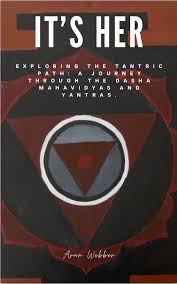
Its her (Paper back) Signed By Arun
Exploring the Tantric Path" is a comprehensive guide that delves into the sacred teachings of Tantra through the exploration of…
₹299
Order on WhatsApp
Tantrik yoga retreat with satyama.
Imagine a week where grand life lessons in love, spirituality and your sexuality can happen every day with a small…
€2,000
Connect on whatsapp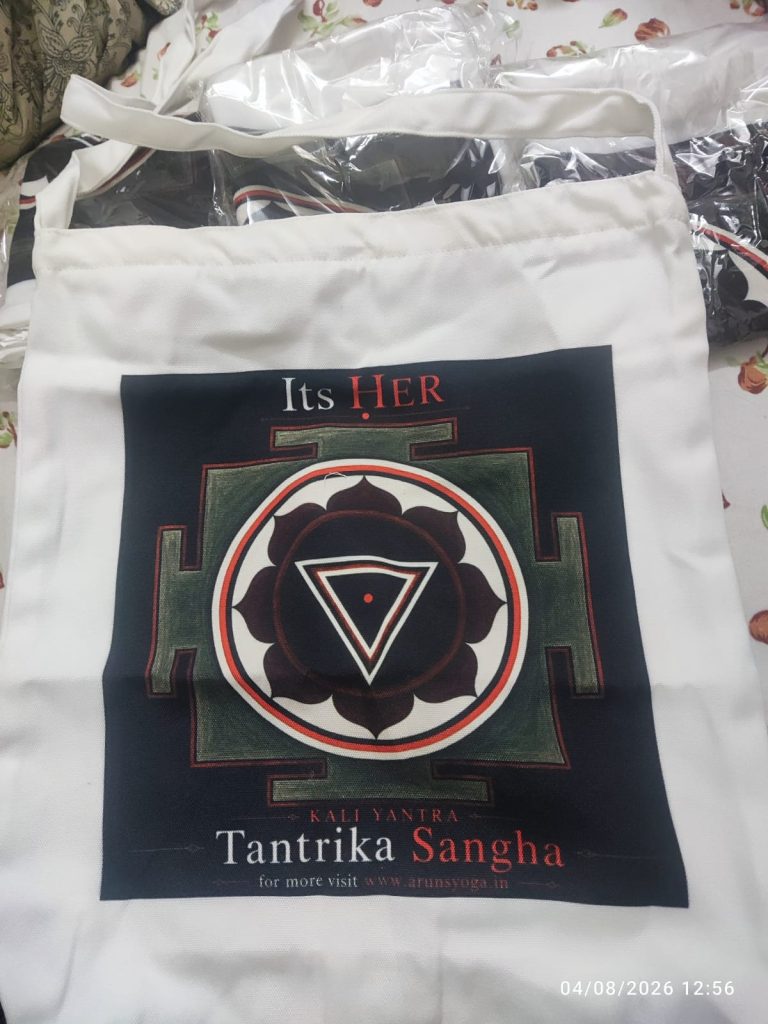
Kali Yantra Side Bags For Sangha By Arun
Carry your essentials with the protective presence of the Kali Yantra. Designed for spiritual practitioners and seekers, this side bag…
₹699
Order on WhatsApp
Learn yoni mudra Meditation With Arun.(Private , Group Online and Offline )
The Yoni Mudra is a powerful hand gesture that, when combined with specific breathing and mantras, can immediately generate high-frequency…
₹1,250
Order on WhatsApp
Cosmic engineering and orgasmic continum New age tantra series-1(Paper Back)
Cosmic Engineering And Orgasmic Continuum" is a 2021 spiritual book by Arun Webber that explores Tantra, self-healing, and the nature…
₹499
Order on WhatsApp
Earrings with feathers of guacamayo
Beautiful handcrafted earrings made with authentic guacamayo (Amazon parrot) feathers and natural wooden beads. Created using only natural materials. Inspired…
€40
Order on WhatsApp
Sponsor the Complete 64 Shakti Peetha Havan Journey
Sponsor the entire 64 Shakti Peetha Havan Yatra and receive sacred prasadam from each Shakti Peetha, delivered to your address.…
₹50,000
Order on WhatsApp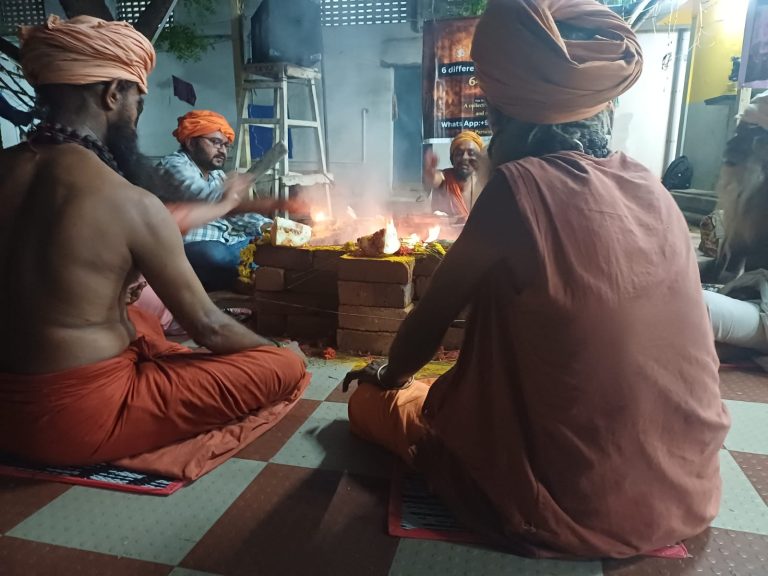
Perform a Sankalpa During Our Next Shakti Peetha Havan
Offer a Sankalpa for your specific intention during our next Shakti Peetha Havan. We will include your prayer in the…
₹5,000
Order on WhatsApp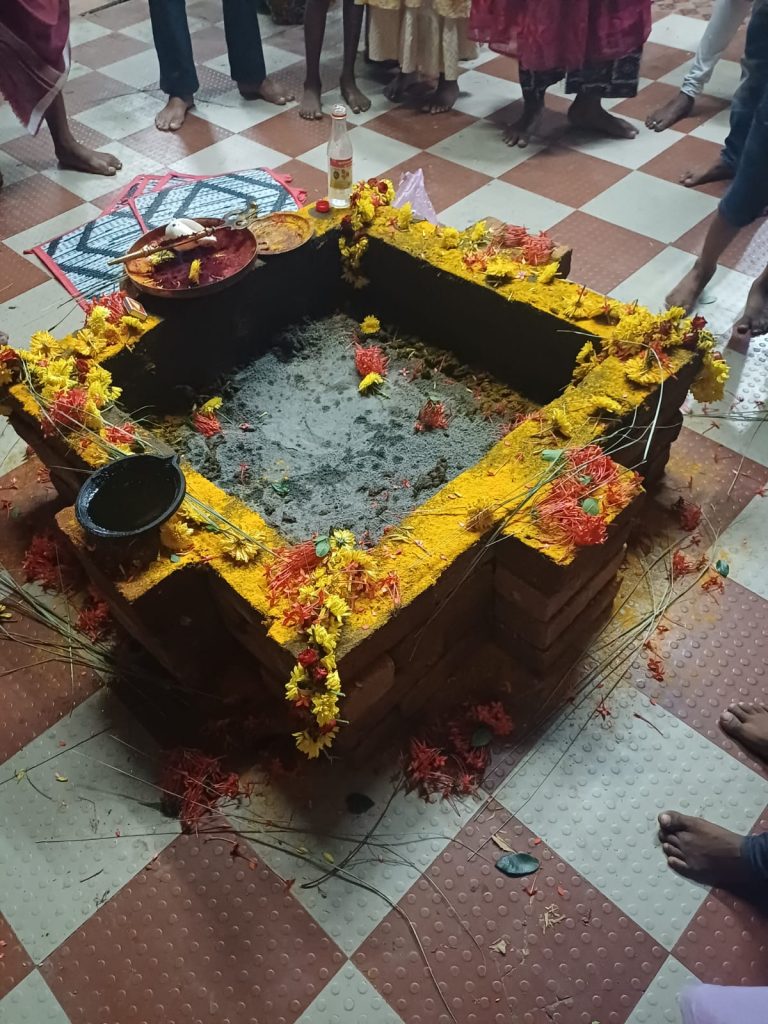
Receive Prasadam from the Next Shakti Peetha on Our 64 Shakti Peetha Havan Journey
We are conducting a 64 Shakti Peetha Havan. Receive the sacred prasadam from our next Havan, delivered directly to your…
₹500
Order on WhatsAppMost Viewed Products And Services
Learn yoni mudra Meditation With Arun.(Private , Group Online and Offline )
The Yoni Mudra is a powerful hand gesture that, when combined with specific breathing and mantras, can immediately generate high-frequency…
₹1,250
Order on WhatsApp
🌿 Private and Group Hatha, Vinyasa & Yoga Nidra Sessions with Lyubov
🔱Hatha, vinyasa yoga 🔱Yoga nidra 🌿What it will give?: ballance, inner peace, mindfulness, emotional release, relaxation, flexibility, strength, improve the…
₹0
Connect on whatsapp
Kali Yantra Side Bags For Sangha By Arun
Carry your essentials with the protective presence of the Kali Yantra. Designed for spiritual practitioners and seekers, this side bag…
₹699
Order on WhatsAppHave a correction or improvement to suggest?
Log in or create a free accountRelated Videos

The cult of yoginis- A discussion with nilanjana And her books about yoginis.

In search of yoginis in nepal

My New Year message and the importance of shakthi and yoginis in coming years. #shakthi #yogini

Tibetan book of death and the yoginis Recoganisation of states while dying

A document about the 64 yoginis there names and the meanings

Main And important classifications of yoginis

Is Tantric practices involves male and female??

Exploring Mystical Practices and Spiritual Growth


Leave a Reply