Introduction to the Eight Limbs of Yoga
The eight limbs of yoga are a set of principles and practices that aim to help individuals achieve a balanced and fulfilling life. These limbs are rooted in the ancient Indian philosophy of yoga and provide a comprehensive guide for physical, mental, and spiritual well-being.
The First Limb: Yamas
The yamas are a set of five universal principles that provide a foundation for living a virtuous and compassionate life. They include ahimsa (non-violence), satya (truthfulness), asteya (non-stealing), brahmacharya (self-control), and aparigraha (non-possessiveness).
The Second Limb: Niyamas
The niyamas are a set of five personal observances that help individuals cultivate a positive and healthy lifestyle. They include saucha (purity), santosha (contentment), tapas (self-discipline), svadhyaya (self-reflection), and ishvara pranidhana (surrender to a higher power).
The Third Limb: Asanas
Asanas, or yoga postures, are a set of physical practices that help individuals develop strength, flexibility, and balance. They are designed to prepare the body for meditation and other spiritual practices.
The Fourth Limb: Pranayama
Pranayama, or breath control, is a set of techniques that help individuals control their breath and calm their mind. It is an essential practice for preparing the mind for meditation and other spiritual practices.
The Fifth Limb: Pratyahara
Pratyahara, or sense withdrawal, is a practice that helps individuals withdraw their senses from the external world and focus their attention inward. It is an essential practice for meditation and other spiritual practices.
The Sixth Limb: Dharana
Dharana, or concentration, is a practice that helps individuals focus their attention on a single point. It is an essential practice for meditation and other spiritual practices.
The Seventh Limb: Dhyana
Dhyana, or meditation, is a practice that helps individuals cultivate a deeper state of awareness and understanding. It is an essential practice for spiritual growth and self-realization.
The Eighth Limb: Samadhi
Samadhi, or enlightenment, is the ultimate goal of yoga. It is a state of complete awareness and understanding, in which the individual experiences a sense of unity and connection with the universe.
Benefits of Practicing the Eight Limbs of Yoga
- Improved physical health and well-being
- Reduced stress and anxiety
- Improved mental clarity and focus
- Increased sense of calm and relaxation
- Deepened sense of spiritual connection and awareness
Conclusion
The eight limbs of yoga provide a comprehensive guide for physical, mental, and spiritual well-being. By practicing these limbs, individuals can cultivate a deeper sense of awareness, connection, and understanding, and achieve a more balanced and fulfilling life.
Frequently Asked Questions
What are the eight limbs of yoga?
The eight limbs of yoga are a set of principles and practices that aim to help individuals achieve a balanced and fulfilling life. They include yamas, niyamas, asanas, pranayama, pratyahara, dharana, dhyana, and samadhi.
What is the purpose of the eight limbs of yoga?
The purpose of the eight limbs of yoga is to provide a comprehensive guide for physical, mental, and spiritual well-being. They aim to help individuals cultivate a deeper sense of awareness, connection, and understanding, and achieve a more balanced and fulfilling life.
How can I start practicing the eight limbs of yoga?
You can start practicing the eight limbs of yoga by learning about each limb and incorporating them into your daily life. You can start with simple practices such as meditation, breath control, and yoga postures, and gradually move on to more advanced practices.
Do I need to be flexible to practice yoga?
No, you don’t need to be flexible to practice yoga. Yoga is for everyone, regardless of age, size, or ability. You can modify or avoid certain postures that are challenging for you, and focus on other aspects of yoga such as breath control, meditation, and relaxation.
Can I practice yoga at home?
Yes, you can practice yoga at home. There are many online resources and videos that can guide you through yoga practices, and you can also purchase yoga books and DVDs. However, it’s recommended to practice yoga with a qualified teacher or instructor, especially if you’re a beginner.
Test Your Knowledge and Win Coupons to Get Discounts
Related Products & Services

Tantrik yoga retreat with satyama.
Imagine a week where grand life lessons in love, spirituality and your sexuality can happen every day with a small…
€2,000
Connect on whatsapp
🌿 Private and Group Hatha, Vinyasa & Yoga Nidra Sessions with Lyubov
🔱Hatha, vinyasa yoga 🔱Yoga nidra 🌿What it will give?: ballance, inner peace, mindfulness, emotional release, relaxation, flexibility, strength, improve the…
₹0
Connect on whatsapp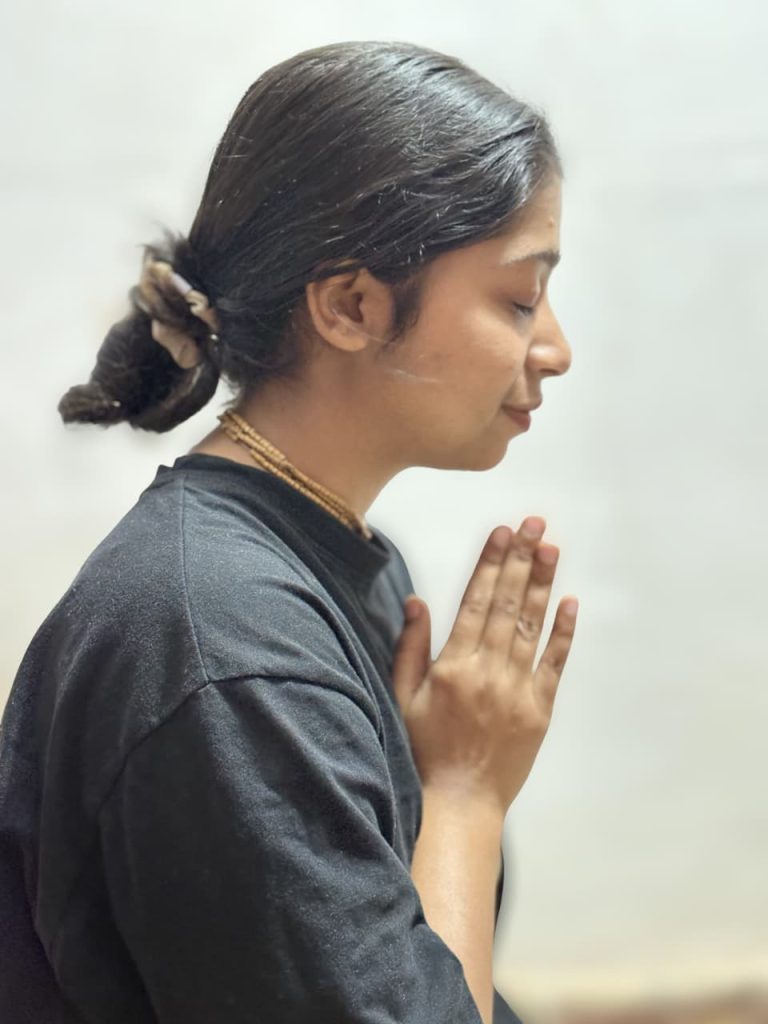
1-on-1 Online Yoga Session with Dolly Nigam
My sessions are suitable for beginners to intermediate practitioners, with personalized guidance based on your goals and abilities. What You'll…
₹800
Connect on whatsapp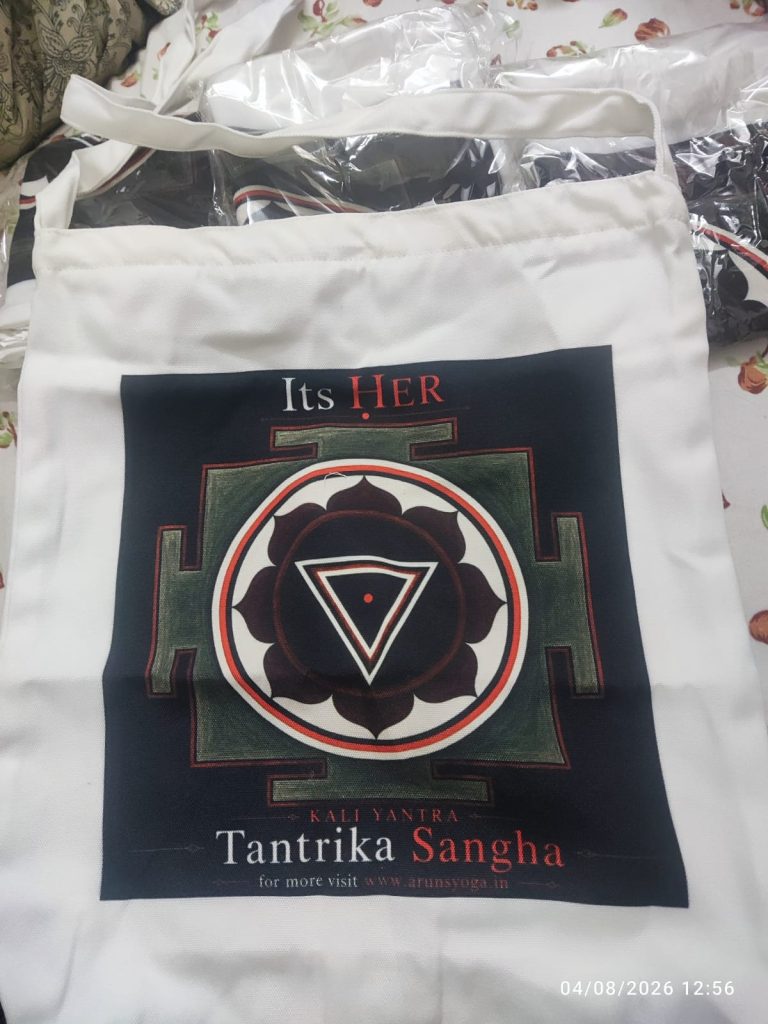
Kali Yantra Side Bags For Sangha By Arun
Carry your essentials with the protective presence of the Kali Yantra. Designed for spiritual practitioners and seekers, this side bag…
₹699
Order on WhatsApp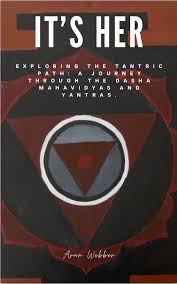
Its her (Paper back) Signed By Arun
Exploring the Tantric Path" is a comprehensive guide that delves into the sacred teachings of Tantra through the exploration of…
₹299
Order on WhatsApp
Astrology and NLP with kavya.
At Kaviya Devendhiran – NLP Master Practitioner & Life Coach, we help individuals create positive and lasting transformation by changing…
₹500
Connect on whatsapp
Learn yoni mudra Meditation With Arun.(Private , Group Online and Offline )
The Yoni Mudra is a powerful hand gesture that, when combined with specific breathing and mantras, can immediately generate high-frequency…
₹1,250
Order on WhatsApp
Start your tantra sadhana with your specefic deity
If you’re not sure where or how to begin your Tantra Sadhana, contact us today. Receive a **handcrafted, energized Yantra**…
₹5,000
Order on WhatsApp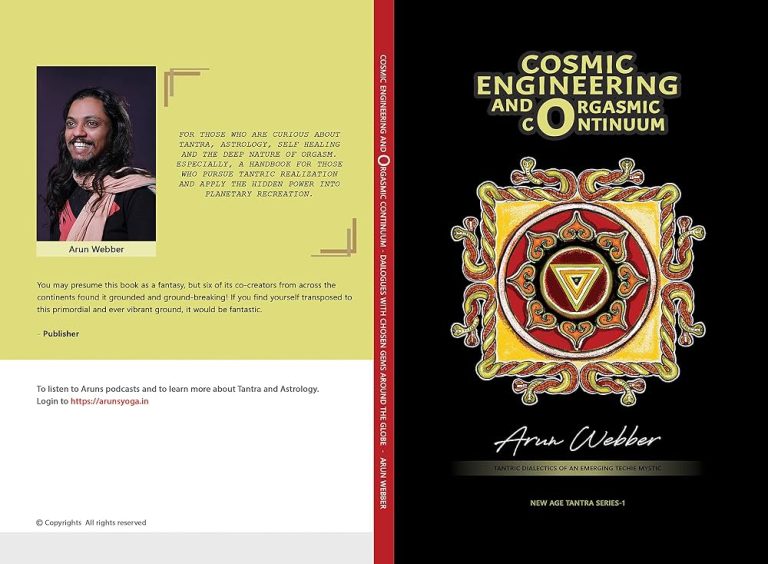
Cosmic engineering and orgasmic continum New age tantra series-1(Paper Back)
Cosmic Engineering And Orgasmic Continuum" is a 2021 spiritual book by Arun Webber that explores Tantra, self-healing, and the nature…
₹499
Order on WhatsAppMost Viewed Products And Services
Learn yoni mudra Meditation With Arun.(Private , Group Online and Offline )
The Yoni Mudra is a powerful hand gesture that, when combined with specific breathing and mantras, can immediately generate high-frequency…
₹1,250
Order on WhatsApp
🌿 Private and Group Hatha, Vinyasa & Yoga Nidra Sessions with Lyubov
🔱Hatha, vinyasa yoga 🔱Yoga nidra 🌿What it will give?: ballance, inner peace, mindfulness, emotional release, relaxation, flexibility, strength, improve the…
₹0
Connect on whatsapp
Kali Yantra Side Bags For Sangha By Arun
Carry your essentials with the protective presence of the Kali Yantra. Designed for spiritual practitioners and seekers, this side bag…
₹699
Order on WhatsAppHave a correction or improvement to suggest?
Log in or create a free accountRelated Videos

why physical yoga is your spiritual foundation

Why Yoga Isn't Crazy Understanding the True Power Behind the Practice

Felicity feline sharing her experience with yoga. #meditation #tantra #yoga

Creating a #space for #tantric practices are #essential. #shorts

Exploring Mystical Practices and Spiritual Growth

Balancing Motherhood and Fitness with Power Practice and Yoga

Dream yoga from Budhism helps you to reach the fourth.

Yoga is the state of mind in which you merged with the absolute.


Leave a Reply