Introduction to Nada
Nada, which translates to ‘sound’ or ‘tone’ in Sanskrit, is a fundamental concept in the Nath Sampradaya tradition. This esoteric philosophy emphasizes the significance of sound and its role in spiritual growth and self-realization. The Nath Sampradaya, a mystical tradition that originated in India, focuses on the attainment of liberation through the realization of the ultimate reality.
The Significance of Nada
Nada is considered the essence of the universe as described in various texts, including the Upanishads, which explore the relationship between sound and the cosmos.
The concept of Nada is intricately linked with the idea of shabda, or the word, which is believed to have the power to reveal the ultimate reality. The Nath Sampradaya tradition emphasizes the importance of listening to the inner sound, the anahata nada, which is said to be the sound of the universe.
The Practice of Nada Yoga
Nada Yoga involves the use of various techniques to attain a state of consciousness that is free from the limitations of the material world. The practice includes the use of sound, vibration, and breath control to awaken the inner sound and experience the ultimate reality.
- Mantra repetition: The repetition of sacred mantras is believed to awaken the inner sound and connect the practitioner with the ultimate reality.
- Sound meditation: The practice of sound meditation involves focusing on the inner sound, the anahata nada, to attain a state of deep relaxation and inner peace.
- Breath control: The control of the breath is crucial in Nada Yoga, as it is believed to help still the mind and awaken the inner sound.
The Benefits of Nada Yoga
Research has shown that practices like Nada Yoga can reduce stress and anxiety, as supported by studies on sound therapy and meditation.
Frequently Asked Questions
What is Nada in the context of Nath Sampradaya?
Nada refers to the sacred sound or tone that is believed to be the essence of the universe.
What is the significance of Nada Yoga?
Nada Yoga is a practice that involves the use of sound and vibration to attain higher states of consciousness and ultimately, liberation.
How can I practice Nada Yoga?
The practice of Nada Yoga involves the use of various techniques, including mantra repetition, sound meditation, and breath control, to awaken the inner sound and experience the ultimate reality.
Nada Yoga Practice Example
An example of a Nada Yoga practice involves the use of the mantra ‘Om’, which is believed to resonate with the universal sound and help practitioners connect with the anahata nada. This practice is rooted in the teachings of the Upanishads, particularly in the Mandukya Upanishad, which emphasizes the significance of sound in spiritual realization.
Historical Context of the Nath Sampradaya
The Nath Sampradaya has its roots in ancient Indian spiritual traditions, with key figures such as Matsyendranath and Gorakhnath playing pivotal roles in its development. The teachings of these saints emphasize the importance of sound and vibration in achieving spiritual enlightenment.
Test Your Knowledge and Win Coupons to Get Discounts
Have a correction or improvement to suggest?
Log in or create a free accountRelated Videos

Nada brahma.

Tantrika sangha question and answer -3 What is Sound Healing

Felicity feline sharing her experience with yoga. #meditation #tantra #yoga
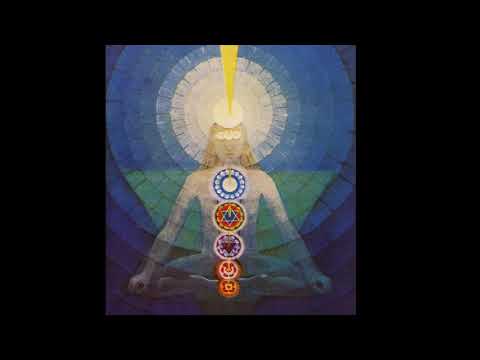
Kundalini Yoga – How It Helps Us To See Reality

Balancing Motherhood and Fitness with Power Practice and Yoga

Why Yoga Isn't Crazy Understanding the True Power Behind the Practice

is your yoga practice just another addiction

How Online Yoga Classes and Tutorials Can Transform Your Practice Anytime, Anywhere!
Most Viewed Videos


Last updated: October 11, 2026






Leave a Reply