Understanding the Guna of Swati Nakshatra
Swati is classified under the Vayu (Air) Guna. This element grants the native a natural lightness, quick mental agility, and an innate desire for freedom. The airy quality also creates a tendency toward detachment, making decisions appear swift but sometimes lacking depth.
What Tatva (Element) Governs Swati?
The primary tatva for Swati is Vayu, reinforcing the Guna description. In classical texts, Vayu is associated with breath, movement, and communication. As a result, Swati natives often excel in fields that require articulation, negotiation, or travel.
Shakti: The Dynamic Energy of Swati
Swati’s Shakti is described as “Prana‑Sparsha” – the subtle spark that activates the breath of life. This Shakti manifests as a constant urge to refine, reorganize, and perfect the surrounding environment. It fuels the native’s talent for crafting elegant solutions and for polishing artistic expressions.
Dosha: The Shadow Side to Balance
Every Nakshatra carries a Dosha, and Swati’s is often called Vata‑Klesha. When the airy energy is unbalanced, it can lead to restlessness, indecisiveness, and a propensity to scatter focus. Recognizing this Dosha helps the native apply grounding practices such as meditation, routine, or earthy foods.
Practical Implications in Daily Life
Understanding these four layers offers clear guidance:
- Career: Roles involving communication, engineering, or design align with Swati’s airy Guna and Vayu tatva.
- Relationships: Partners should respect the need for personal space while offering stability to counteract Vata‑Klesha.
- Health: Herbal teas, warm soups, and regular yoga help soothe excess Vata.
- Spiritual practice: Breath‑work (pranayama) directly harnesses the native’s innate Shakti.
Traditional Remedies and Rituals
Classical sources recommend the following to strengthen Swati’s positive qualities and mitigate its Dosha:
- Offerings of white lilies or cotton to the deity Vayu on Swati’s ruling day (Wednesday).
- Recite the mantra “Om Vayavah” 108 times during sunrise.
- Wear gemstones such as diamond or transparent crystal after proper astrological consultation.
- Incorporate the color white or light blue in clothing and home décor.
Integrating Swati Wisdom into Modern Living
Even in contemporary contexts, the principles of Swati’s Guna, Tatva, Shakti and Dosha remain relevant. By aligning daily routines with the airy nature—regular movement, fresh air, and intellectual stimulation—individuals can thrive while keeping the Vata‑Klesha in check through grounding practices.
Frequently Asked Questions
What is the primary Guna of Swati Nakshatra?
Vayu (Air) Guna
Which element (Tatva) reinforces Swati’s nature?
Vayu
What is the main Dosha associated with Swati?
Vata‑Klesha
Which mantra is traditionally recited for Swati?
Om Vayavah
Test Your Knowledge and Win Coupons to Get Discounts
Have a correction or improvement to suggest?
Log in or create a free accountRelated Videos

#15 -#27 Swathi Nakshatra Nakshatra -15

#114 Yogini No-64 Vayu veena Chausath yogini temple @Hirapur.

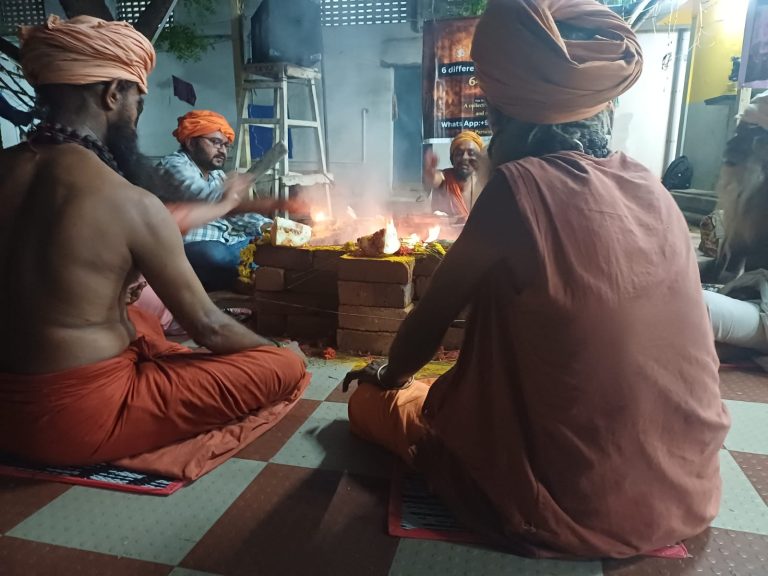
64 Shakti Peeth Havan – fourth Havan At Chamundi Hills mysore

64 Shakti Peeth Havan – Third Havan at Kanyakumari

64 Shakti Peeth Havan – Second Havan in Kanchipuram

5th Havan of the 64 Shakti Peeth Havan — Srisailam

Sacred Fire Journey: 64 Havans at 64 Shakti Peeths Explained

Nakshatra Garden: Cultivating 27 Nakshatra Trees for Cosmic Connection







Leave a Reply