Introduction to Aryaman
Aryaman’s role is foundational for the social fabric of early Vedic society, as evidenced by his frequent invocation in the Ṛgveda and other texts that highlight the importance of hospitality and oaths.
Mythology and Origins
According to the hymns, Aryaman belongs to the group of Adityas, the solar progeny of Aditi. He is often invoked alongside his brothers—Varuna, Mitra, and others—to safeguard ṛta, the cosmic order. In several verses, Aryaman is described as the “guardian of the guests” who ensures that hosts honor the sacred duty of treating strangers with generosity.
Key Hymns
The Ṛgveda (Book 1, Hymn 5) praises Aryaman as the one who “binds the hearts of those who sit together.” This poetic imagery links his influence to the formation of alliances and the sealing of treaties.
Roles and Attributes
Aryaman’s portfolio can be grouped into three main aspects:
- Hospitality: He oversees the ritual of offering food and shelter to guests, a practice known as atithi devo bhava.
- Contracts and Oaths: He validates agreements, ensuring that spoken promises carry divine weight.
- Social Harmony: By protecting the bonds between individuals, Aryaman maintains societal stability.
These functions highlight why ancient kings invoked Aryaman before signing treaties or welcoming foreign delegations.
Worship and Rituals
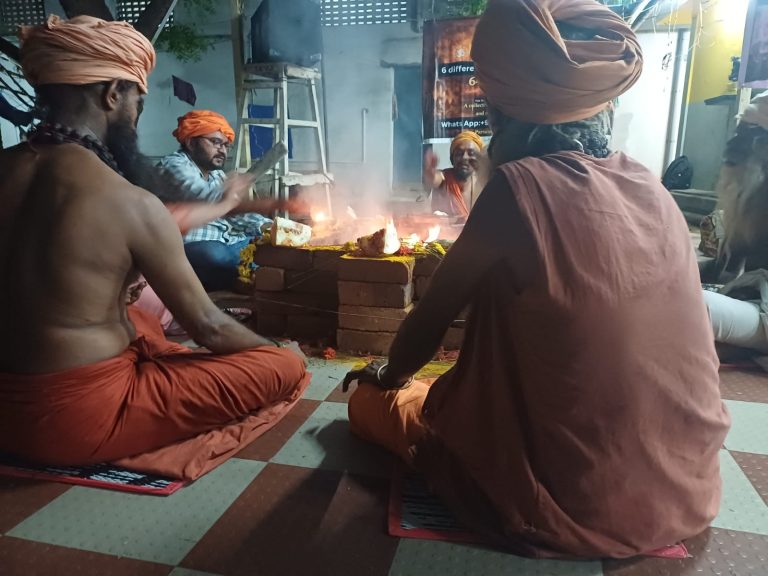
Unlike some Vedic deities who received elaborate fire offerings, Aryaman’s worship is subtle, often involving the recitation of specific mantras during rituals like the Soma sacrifice, as mentioned in the Yajurveda.
Modern Practices
Today, many Hindu families invoke Aryaman’s spirit during wedding ceremonies, where the couple swears lifelong fidelity—essentially a sacred contract under his watchful eye.
Aryaman in Contemporary Thought
In contemporary discussions about ethics and community, the principles associated with Aryaman can be reflected in practices that emphasize hospitality and social bonding.
By understanding Aryaman, practitioners gain insight into the ancient roots of modern concepts like “networking,” “guest etiquette,” and “ethical business contracts.”
Frequently Asked Questions
What is Aryaman primarily known for in Vedic literature?
Hospitality and the sanctity of oaths.
Which group of deities does Aryaman belong to?
The Adityas, the solar offspring of Aditi.
How is Aryaman invoked during a Vedic sacrifice?
Through specific mantras recited during the Soma ritual.
What modern ceremony often reflects Aryaman’s influence?
Wedding vows, where couples swear lifelong fidelity.
Example of Aryaman's Invocation in Rituals
In the Yajurveda, Aryaman is invoked during the Soma sacrifice, where priests recite specific mantras asking for his blessings on the host-guest relationship, reflecting the importance of hospitality in Vedic culture.
Aryaman and His Relation to Other Vedic Deities
Aryaman is often mentioned alongside Mitra and Varuna, who also play significant roles in upholding oaths and social contracts. Together, they form a triad that embodies the principles of truth and harmony in Vedic thought.
Test Your Knowledge and Win Coupons to Get Discounts
Have a correction or improvement to suggest?
Log in or create a free accountRelated Videos

Cannabis, Soma, and the Divine: Ancient Wisdom on Psychedelics

AI Avatar Unveils the Power of Tantrika Herbal Tea: 6 Vedic Herbs for Body, Mind & Spirit

#154 Soma is the god of mrigashira. The reason of soma rasam and intense mystical experience.

Differences between vedic astrology and tarot card reading.

The Role Of Tantra In Empowering Women - Vedic Reading Series Episode No. 8, Part 2

Vedic astrology is not about Dogma.

Two Different Minds - Vedic Reading Series Episode No. 3

Vedic Reading Series Episode No. 14: Angels, Prana And The Giggles








Leave a Reply