Introduction to Yogini Sadhana
Yogini Sadhana is an ancient Tantric practice that originated in India, dating back to the 10th century. It is a spiritual discipline that aims to liberate the practitioner from the cycle of birth and death, and to attain union with the divine. The practice is rooted in Hindu mythology and involves the worship of the Goddess in her various forms.
History of Yogini Sadhana
The history of Yogini Sadhana is shrouded in mystery, but it is believed to have originated in the eastern part of India, particularly in the states of Bengal and Assam. The practice was popularized by the tantric sects, who believed in the power of the Goddess to grant liberation and spiritual growth.
Symbolism of Yogini Sadhana
The symbolism of Yogini Sadhana is deeply rooted in Hindu mythology and involves the worship of the Goddess in her various forms. The practice involves the use of various symbols, such as the yantra, mantra, and mudra, which are believed to hold the power of the Goddess. The practitioner is required to use these symbols to invoke the Goddess and to attain union with her.
Spiritual Purpose of Yogini Sadhana
The spiritual purpose of Yogini Sadhana is to attain liberation from the cycle of birth and death, and to achieve union with the divine. The practice involves the cultivation of various virtues, such as devotion, surrender, and self-discipline, which are believed to be essential for spiritual growth.
Benefits of Yogini Sadhana
The benefits of Yogini Sadhana are numerous and include spiritual growth, emotional balance, and physical well-being. The practice is believed to help the practitioner to develop a deeper understanding of themselves and the world around them, and to cultivate a sense of compassion and empathy towards all living beings.
Practicing Yogini Sadhana
Practicing Yogini Sadhana requires a deep commitment to the spiritual path and a willingness to surrender to the Goddess. The practitioner is required to follow a strict regimen of meditation, yoga, and devotion, and to cultivate a sense of self-discipline and self-awareness.
- Find a qualified teacher or guru to guide you on the spiritual path
- Develop a regular practice of meditation and yoga
- Cultivate a sense of devotion and surrender to the Goddess
- Follow a strict regimen of self-discipline and self-awareness
Frequently Asked Questions
What is Yogini Sadhana?
Yogini Sadhana is an ancient Tantric practice that aims to liberate the practitioner from the cycle of birth and death, and to attain union with the divine.
What is the history of Yogini Sadhana?
The history of Yogini Sadhana is shrouded in mystery, but it is believed to have originated in the eastern part of India, particularly in the states of Bengal and Assam.
What are the benefits of Yogini Sadhana?
The benefits of Yogini Sadhana include spiritual growth, emotional balance, and physical well-being, and are believed to help the practitioner to develop a deeper understanding of themselves and the world around them.
How do I practice Yogini Sadhana?
Practicing Yogini Sadhana requires a deep commitment to the spiritual path and a willingness to surrender to the Goddess, and involves following a strict regimen of meditation, yoga, and devotion.
What is the spiritual purpose of Yogini Sadhana?
The spiritual purpose of Yogini Sadhana is to attain liberation from the cycle of birth and death, and to achieve union with the divine.
Test Your Knowledge and Win Coupons to Get Discounts
Related Products & Services

Start your tantra sadhana with your specefic deity
If you’re not sure where or how to begin your Tantra Sadhana, contact us today. Receive a **handcrafted, energized Yantra**…
₹5,000
Order on WhatsApp
Tantrik yoga retreat with satyama.
Imagine a week where grand life lessons in love, spirituality and your sexuality can happen every day with a small…
€2,000
Connect on whatsapp
Its her (Paper back) Signed By Arun
Exploring the Tantric Path" is a comprehensive guide that delves into the sacred teachings of Tantra through the exploration of…
₹299
Order on WhatsApp
Learn yoni mudra Meditation With Arun.(Private , Group Online and Offline )
The Yoni Mudra is a powerful hand gesture that, when combined with specific breathing and mantras, can immediately generate high-frequency…
₹1,250
Order on WhatsApp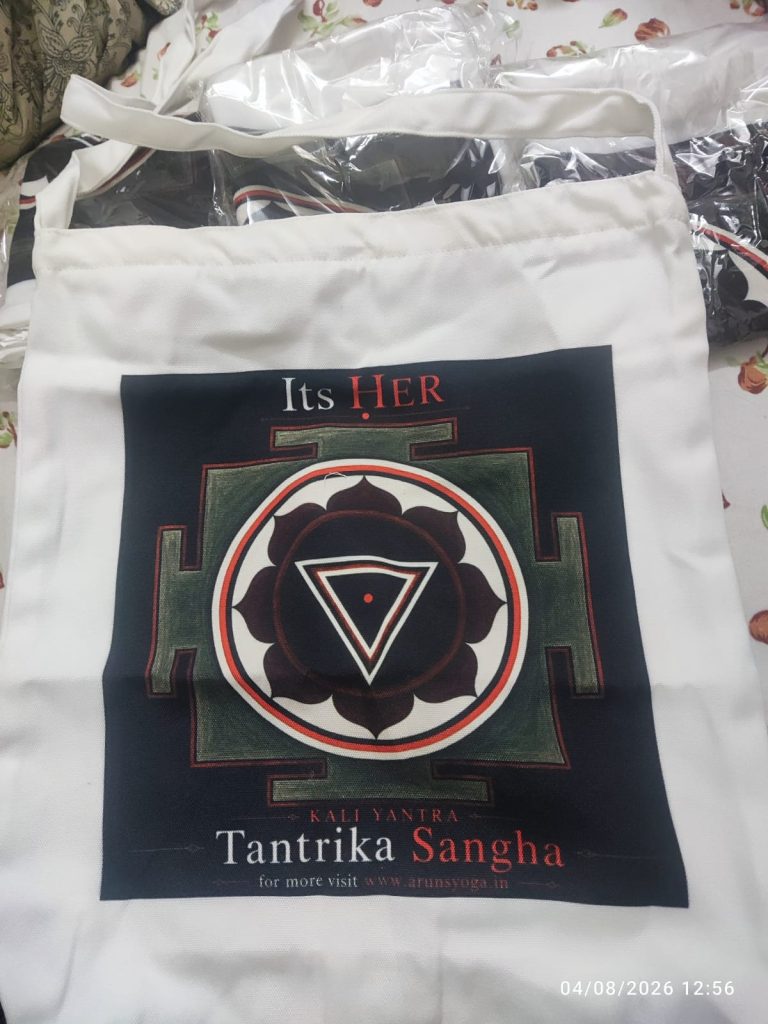
Kali Yantra Side Bags For Sangha By Arun
Carry your essentials with the protective presence of the Kali Yantra. Designed for spiritual practitioners and seekers, this side bag…
₹699
Order on WhatsApp
🌿 Private and Group Hatha, Vinyasa & Yoga Nidra Sessions with Lyubov
🔱Hatha, vinyasa yoga 🔱Yoga nidra 🌿What it will give?: ballance, inner peace, mindfulness, emotional release, relaxation, flexibility, strength, improve the…
₹0
Connect on whatsapp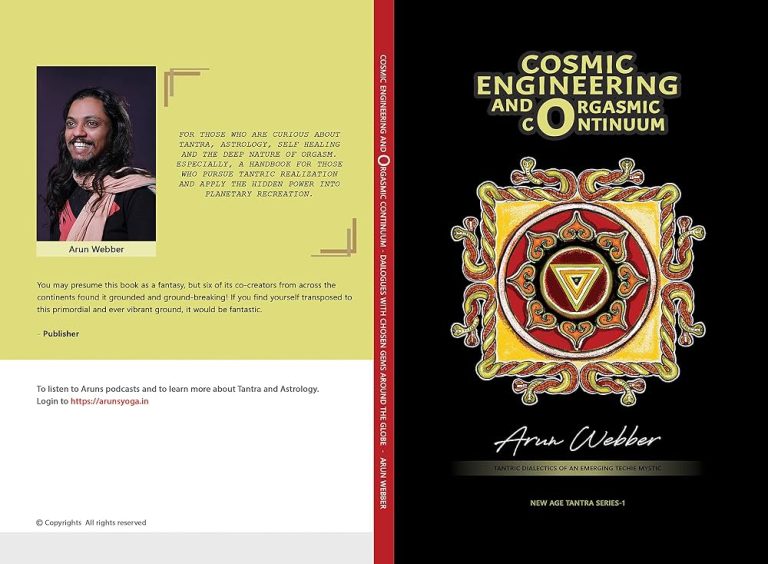
Cosmic engineering and orgasmic continum New age tantra series-1(Paper Back)
Cosmic Engineering And Orgasmic Continuum" is a 2021 spiritual book by Arun Webber that explores Tantra, self-healing, and the nature…
₹499
Order on WhatsApp
Astrology and NLP with kavya.
At Kaviya Devendhiran – NLP Master Practitioner & Life Coach, we help individuals create positive and lasting transformation by changing…
₹500
Connect on whatsapp
Earrings with feathers of guacamayo
Beautiful handcrafted earrings made with authentic guacamayo (Amazon parrot) feathers and natural wooden beads. Created using only natural materials. Inspired…
€40
Order on WhatsAppMost Viewed Products And Services
Learn yoni mudra Meditation With Arun.(Private , Group Online and Offline )
The Yoni Mudra is a powerful hand gesture that, when combined with specific breathing and mantras, can immediately generate high-frequency…
₹1,250
Order on WhatsApp
🌿 Private and Group Hatha, Vinyasa & Yoga Nidra Sessions with Lyubov
🔱Hatha, vinyasa yoga 🔱Yoga nidra 🌿What it will give?: ballance, inner peace, mindfulness, emotional release, relaxation, flexibility, strength, improve the…
₹0
Connect on whatsapp
Kali Yantra Side Bags For Sangha By Arun
Carry your essentials with the protective presence of the Kali Yantra. Designed for spiritual practitioners and seekers, this side bag…
₹699
Order on WhatsAppHave a correction or improvement to suggest?
Log in or create a free accountRelated Videos
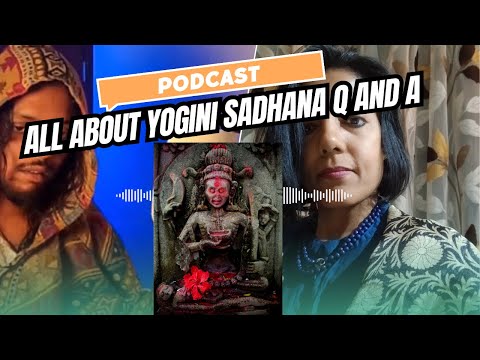
All about yogini sadhana Q and A with me.
Yogini Sadhana Without Kuldevata

What exactly is yogini sadhana and how it can transform you?

End goal of yogini sadhana and the transcendental existence.

Getting initiated into yogini sadhana (Mahavidya)

Side effects of yogini sadhana if wrongly done

Yogini Initiation

What will happen to those uninitiated and wicked if they perform yogini sadhana?


Leave a Reply