Introduction to Tantra and Yoga
Tantra and Yoga are two ancient Indian practices that have been intertwined for centuries. While Yoga is often associated with physical postures and breathing techniques, Tantra encompasses a broader range of practices aimed at spiritual growth and self-realization. In this article, we will explore how Tantra complements the practice of Yoga, leading to a more profound and transformative spiritual journey.
Understanding Tantra
Tantra is a Sanskrit word meaning “weave” or “loom.” It refers to the intricate web of energies that underlie the universe and the human experience. Tantric practices aim to harness and balance these energies, leading to a state of unity and harmony with the divine. Tantra is not just a physical practice but a philosophical and spiritual framework that guides the seeker towards self-realization.
Yoga and Tantra: A Synergistic Relationship
Yoga, particularly Hatha Yoga, is often seen as a preparatory practice for Tantra. The physical postures, breathing techniques, and meditation practices in Yoga help to purify and balance the energy in the body, creating a fertile ground for Tantric practices. Tantra, in turn, provides a deeper understanding of the subtle energies and the chakras, allowing the practitioner to access higher states of consciousness and spiritual awareness.
The Benefits of Combining Tantra and Yoga
When practiced together, Tantra and Yoga offer a powerful synergy that can lead to profound spiritual growth and self-transformation. Some of the benefits of combining these practices include:
- Deeper understanding of the subtle energies and the chakras
- Increased spiritual awareness and higher states of consciousness
- Improved emotional and mental balance
- Enhanced physical and energetic well-being
- Greater sense of unity and connection with the divine
Practical Tips for Combining Tantra and Yoga
To combine Tantra and Yoga in your practice, start by establishing a regular Yoga routine that includes physical postures, breathing techniques, and meditation. As you become more comfortable with these practices, you can begin to explore Tantric techniques such as energy healing, chakra balancing, and sacred rituals. Remember to approach these practices with an open mind and a willingness to learn and grow.
Conclusion
In conclusion, the combination of Tantra and Yoga offers a powerful path to spiritual growth and self-realization. By understanding the synergistic relationship between these two practices, you can deepen your practice and access higher states of consciousness and spiritual awareness. Remember to approach these practices with patience, dedication, and an open heart, and you will be well on your way to unlocking the full potential of Tantra and Yoga.
Frequently Asked Questions
What is the main difference between Tantra and Yoga?
The main difference between Tantra and Yoga is that Yoga is often focused on physical postures and breathing techniques, while Tantra encompasses a broader range of practices aimed at spiritual growth and self-realization.
Can I practice Tantra without practicing Yoga?
While it is possible to practice Tantra without practicing Yoga, it is generally recommended to establish a strong foundation in Yoga before exploring Tantric practices.
What are the benefits of combining Tantra and Yoga?
The benefits of combining Tantra and Yoga include deeper understanding of the subtle energies and the chakras, increased spiritual awareness and higher states of consciousness, improved emotional and mental balance, and enhanced physical and energetic well-being.
Test Your Knowledge and Win Coupons to Get Discounts
Related Products & Services

Tantrik yoga retreat with satyama.
Imagine a week where grand life lessons in love, spirituality and your sexuality can happen every day with a small…
€2,000
Connect on whatsapp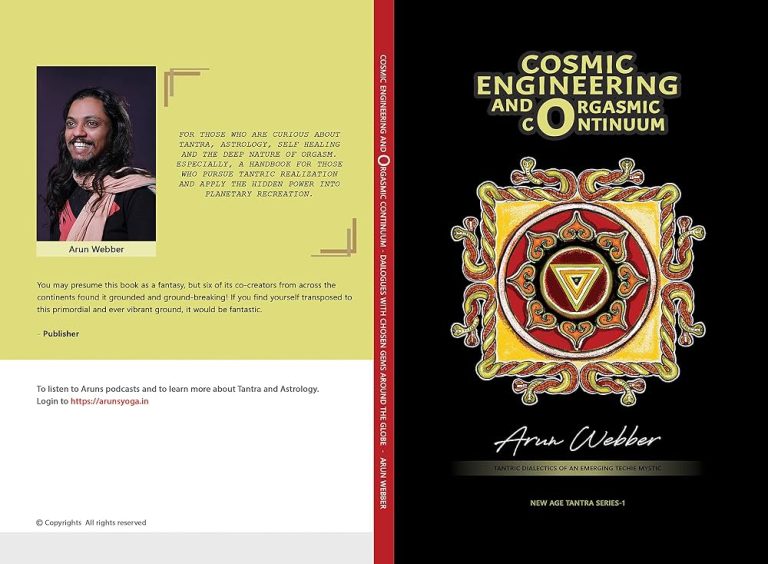
Cosmic engineering and orgasmic continum New age tantra series-1(Paper Back)
Cosmic Engineering And Orgasmic Continuum" is a 2021 spiritual book by Arun Webber that explores Tantra, self-healing, and the nature…
₹499
Order on WhatsApp
🌿 Private and Group Hatha, Vinyasa & Yoga Nidra Sessions with Lyubov
🔱Hatha, vinyasa yoga 🔱Yoga nidra 🌿What it will give?: ballance, inner peace, mindfulness, emotional release, relaxation, flexibility, strength, improve the…
₹0
Connect on whatsapp
Start your tantra sadhana with your specefic deity
If you’re not sure where or how to begin your Tantra Sadhana, contact us today. Receive a **handcrafted, energized Yantra**…
₹5,000
Order on WhatsApp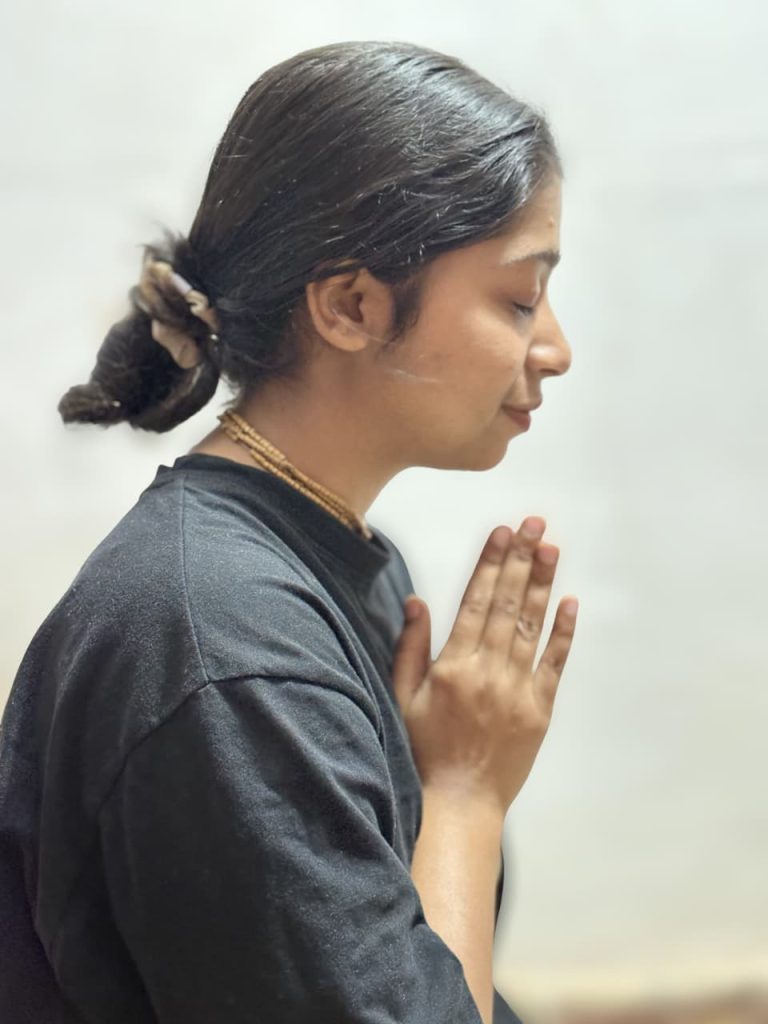
1-on-1 Online Yoga Session with Dolly Nigam
My sessions are suitable for beginners to intermediate practitioners, with personalized guidance based on your goals and abilities. What You'll…
₹800
Connect on whatsapp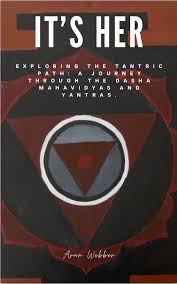
Its her (Paper back) Signed By Arun
Exploring the Tantric Path" is a comprehensive guide that delves into the sacred teachings of Tantra through the exploration of…
₹299
Order on WhatsApp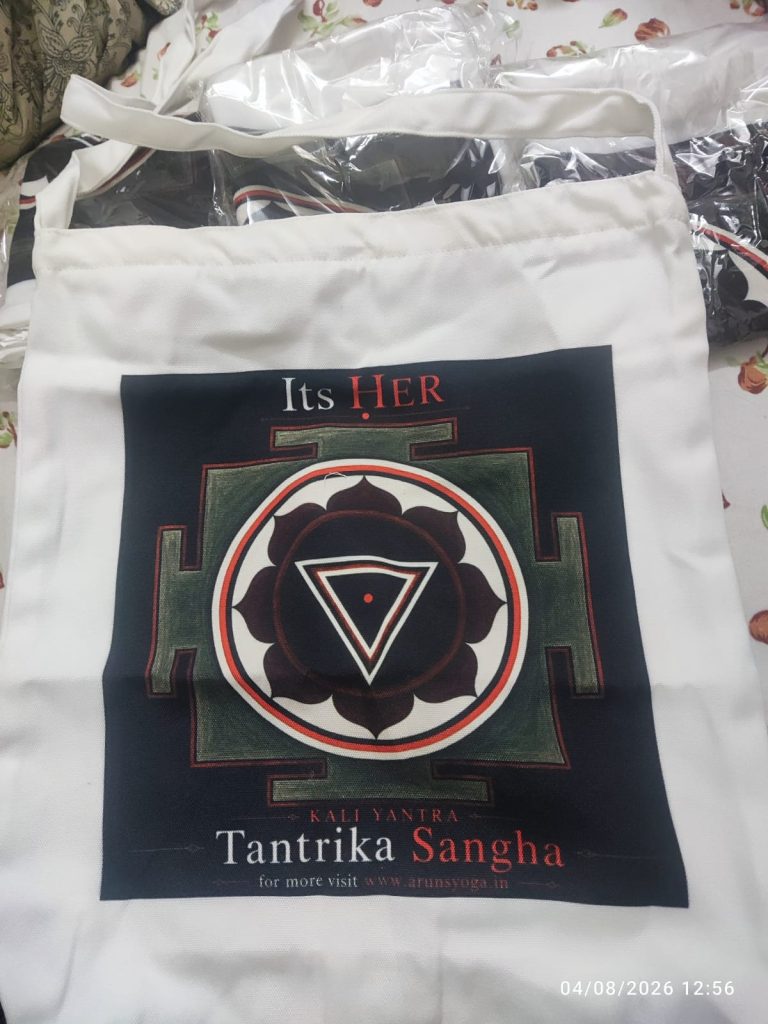
Kali Yantra Side Bags For Sangha By Arun
Carry your essentials with the protective presence of the Kali Yantra. Designed for spiritual practitioners and seekers, this side bag…
₹699
Order on WhatsApp
Learn yoni mudra Meditation With Arun.(Private , Group Online and Offline )
The Yoni Mudra is a powerful hand gesture that, when combined with specific breathing and mantras, can immediately generate high-frequency…
₹1,250
Order on WhatsApp
Read your chart With Arun
Read your birth chart alongside a tarot reading to identify the energetic blocks behind the challenges you are facing. Then,…
₹5,000
Order on WhatsAppMost Viewed Products And Services
Learn yoni mudra Meditation With Arun.(Private , Group Online and Offline )
The Yoni Mudra is a powerful hand gesture that, when combined with specific breathing and mantras, can immediately generate high-frequency…
₹1,250
Order on WhatsApp
🌿 Private and Group Hatha, Vinyasa & Yoga Nidra Sessions with Lyubov
🔱Hatha, vinyasa yoga 🔱Yoga nidra 🌿What it will give?: ballance, inner peace, mindfulness, emotional release, relaxation, flexibility, strength, improve the…
₹0
Connect on whatsapp
Kali Yantra Side Bags For Sangha By Arun
Carry your essentials with the protective presence of the Kali Yantra. Designed for spiritual practitioners and seekers, this side bag…
₹699
Order on WhatsAppHave a correction or improvement to suggest?
Log in or create a free accountRelated Videos

Felicity feline sharing her experience with yoga. #meditation #tantra #yoga

Exploring Mystical Practices and Spiritual Growth

why physical yoga is your spiritual foundation

Is Tantric practices involves male and female??

Creating a #space for #tantric practices are #essential. #shorts

#smiling with #Lucia #tantra #spirituality #spiritual #joke #shorts

Why Yoga Isn't Crazy Understanding the True Power Behind the Practice

In tantra there are different sounds are used which can heal you in a deeper way.


Leave a Reply