Introduction to the Guru-Disciple Tradition
The guru-disciple tradition, as described in texts like the Bhagavad Gita and the Yoga Sutras of Patanjali, is fundamental to the practices of yoga and tantra, emphasizing the importance of guidance from a qualified teacher.
History of the Guru-Disciple Tradition
The guru-disciple tradition has its roots in ancient India, where it was an integral part of the spiritual landscape. The tradition is based on the principle that a qualified guru can guide a disciple towards self-realization, helping them to navigate the complexities of the spiritual journey.
Purpose of the Guru-Disciple Tradition
The primary purpose of the guru-disciple tradition, as articulated in the Upanishads, is to facilitate spiritual growth and self-realization through the transmission of knowledge from guru to disciple.
Benefits of the Guru-Disciple Tradition
The guru-disciple tradition offers numerous benefits, including:
- Accelerated spiritual growth
- Personalized guidance and mentorship
- Access to ancient wisdom and knowledge
- A supportive community of like-minded individuals
Modern Relevance of the Guru-Disciple Tradition
In today’s fast-paced world, the guru-disciple tradition remains a vital and relevant practice. It offers a unique opportunity for individuals to connect with a deeper sense of purpose and meaning, cultivating a more profound understanding of themselves and the world around them.
Conclusion
The guru-disciple tradition is a powerful and transformative practice that has been a cornerstone of yoga and tantra for centuries. By embracing this tradition, individuals can embark on a profound journey of spiritual growth and self-realization, unlocking the secrets of the universe and discovering their true potential.
Frequently Asked Questions
What is the role of a guru in the guru-disciple tradition?
A guru serves as a mentor, teacher, and guide, providing the disciple with the necessary tools and wisdom to attain enlightenment.
What are the benefits of the guru-disciple tradition?
The benefits of the guru-disciple tradition include accelerated spiritual growth, personalized guidance and mentorship, access to ancient wisdom and knowledge, and a supportive community of like-minded individuals.
Is the guru-disciple tradition still relevant in modern times?
Yes, the guru-disciple tradition remains a vital and relevant practice in modern times, offering a unique opportunity for individuals to connect with a deeper sense of purpose and meaning.
Example of a Renowned Guru: Ramakrishna Paramahamsa
Ramakrishna Paramahamsa, a 19th-century saint, exemplified the guru-disciple relationship by teaching his disciple Swami Vivekananda the importance of direct experience of the divine. His teachings emphasize the transformative power of personal guidance in spiritual practice.
The Role of the Guru in Spiritual Development
The guru plays a crucial role in spiritual development, often acting as a bridge between the disciple and the divine. Texts like the Guru Gita emphasize the guru’s role in dispelling ignorance and guiding the disciple towards enlightenment.
Test Your Knowledge and Win Coupons to Get Discounts
Have a correction or improvement to suggest?
Log in or create a free accountRelated Videos

Guru Hamare Pyaaarr..

the guru dilemma when spiritual leaders fall
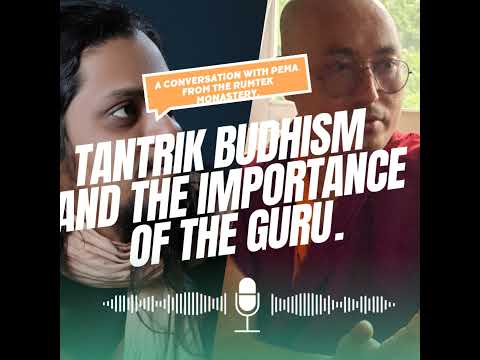
Tantrik budhism and the importance of The guru – A conversation with pema from the rumtek MONASTERY.

the day a guru called me a tantrika

Kaya sidhi of guru gorakshanath.

#15 @green tara temple and guru lampoche monestry Travel vlog -15

#17 @kathmandu 1000s of years of tradition kept alive Part-2 Travel vlog 17

#16 @kathmandu 1000s of years of tradition kept very alive part-1 Travel vlog -16









Leave a Reply