Introduction to Ashtanga Yoga
Ashtanga Yoga is a traditional and physically demanding style of yoga that originated in India. It was popularized by K. Pattabhi Jois in the 20th century and is known for its fast-paced and intense sequences of postures. The term ‘Ashtanga’ comes from the Sanskrit words ‘ashta’ meaning eight and ‘anga’ meaning limb, which refers to the eight limbs of yoga as outlined in the Yoga Sutras of Patanjali.
History of Ashtanga Yoga
K. Pattabhi Jois is a key figure in the popularization of Ashtanga Yoga, having developed the modern practice based on teachings from his guru, Tirumalai Krishnamacharya.
Benefits of Ashtanga Yoga
Ashtanga Yoga is known for its numerous benefits, including enhanced physical strength and flexibility, improved cardiovascular health, reduced stress and anxiety, and heightened mental focus and concentration, as supported by various studies on yoga’s impact on health.
- Improved physical strength and flexibility
- Increased cardiovascular health
- Reduced stress and anxiety
- Improved mental focus and concentration
- Enhanced overall well-being
Ashtanga Yoga for Beginners
If you are new to Ashtanga Yoga, it is essential to start slowly and build up your practice gradually. It is recommended to find a qualified teacher who can guide you through the sequences and provide modifications and adjustments as needed. It is also important to listen to your body and only go as far as is comfortable and safe.
Common Ashtanga Yoga Poses
Ashtanga Yoga involves a set sequence of postures that are designed to build internal heat, strength, and flexibility. Some of the common poses include:
- Sun Salutations (Surya Namaskar)
- Standing Postures (Utthita Hasta Padangusthasana)
- Seated Postures (Dandasana)
- Backbends (Ustrasana)
- Forward Folds (Padahasthasana)
Frequently Asked Questions
What is Ashtanga Yoga?
Ashtanga Yoga is a traditional and physically demanding style of yoga that originated in India.
What are the benefits of Ashtanga Yoga?
Ashtanga Yoga offers numerous benefits, including improved physical strength and flexibility, increased cardiovascular health, reduced stress and anxiety, and improved mental focus and concentration.
Is Ashtanga Yoga suitable for beginners?
Yes, Ashtanga Yoga can be modified to suit beginners, but it is essential to start slowly and build up your practice gradually under the guidance of a qualified teacher.
Practicing Sun Salutations
One of the foundational sequences in Ashtanga Yoga is the Sun Salutation (Surya Namaskar). Practitioners can start with a few rounds of this sequence to build heat and flexibility. For example, begin in Mountain Pose (Tadasana), then flow through the sequence of forward bends, lunges, and upward-facing postures. This practice not only warms the body but also establishes a rhythm of breath and movement.
The Eight Limbs of Yoga
The concept of Ashtanga Yoga is deeply rooted in the eight limbs of yoga, as outlined in the Yoga Sutras of Patanjali. These limbs include Yama (ethical standards), Niyama (self-discipline), Asana (postures), Pranayama (breath control), Pratyahara (withdrawal of senses), Dharana (concentration), Dhyana (meditation), and Samadhi (absorption). Understanding these limbs can provide a holistic approach to yoga practice, integrating physical, mental, and spiritual aspects.
Test Your Knowledge and Win Coupons to Get Discounts
Have a correction or improvement to suggest?
Log in or create a free accountRelated Videos

Learn yoga with lyuba @arunsyoga.in

From NIT to IIM to Yoga:Trying to find sanity in insanity.

Felicity feline sharing her experience with yoga. #meditation #tantra #yoga

Yoga And Mysticism East And west perspective
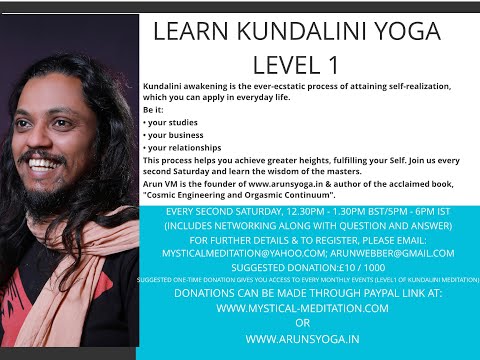
Online Kundalini Yoga Learning Session Level 1 For Beginners

Learn yoga with dolly Nigam @arunsyoga4509

Master Mind For Dummies 4:(Patanjali Yoga Sutra Chapter-1 Samadhipadam)

#144 Chakrasana Learn yoga with anu?









Leave a Reply