Who Is Apam Napat?
Apam Napat (Sanskrit: अपम् नपात) literally means “the offspring of the waters.” In the oldest Vedic hymns he appears as a youthful deity who embodies the union of fire (agni) and water (ap), a paradox that illustrates the dynamic balance of creation.
Mythological Roots
The Rig‑Veda cites Apam Napat in several verses (e.g., RV 1.164, 8.55) as the son of the cosmic ocean who brings forth light and heat. Some scholars connect him with the later god Indra, while others see him as an independent figure linked to the Sun‑God and the fire‑spirit of sacrificial rites.
Symbolism of Fire and Water
In Vedic thought fire and water are not opposites but complementary forces. Fire purifies, water nourishes. Apam Napat personifies this synthesis, reminding priests that the sacrificial fire must be fed by the purity of water. This duality is reflected in the mantra “apah pavanāḥ” – “the waters that are pure like wind.”
Rituals and Worship
Ancient rituals invoked Apam Napat during the Agnihotra ceremony, when a small fire was lit at sunrise and sunset and then sprinkled with sacred water. Offerings of barley or milk were poured into the fire, symbolising the birth of life from the watery womb.
- Recite the hymn 1.164.8 while holding a water‑filled vessel.
- Pour a few drops onto the flame as a sign of devotion.
- Conclude with the chant “Apam Napat namas te” to honor the deity.
Connections to Later Deities
Later Hindu texts sometimes merge Apam Napat with Varuna (god of cosmic waters) or with Vāyu, the wind god, highlighting his role as a bridge between elemental forces. In the Puranas the name re‑appears as “Apam Napat” for the son of Brahma who creates the universe through the fire‑water dynamic.
Why Modern Practitioners Honor Him
Today, yogis and Vedic scholars invoke Apam Napat to balance emotional turbulence (water) with inner vigor (fire). Meditation on his dual nature is believed to cultivate resilience, calm, and creative energy, making him relevant for anyone seeking equilibrium in a fast‑moving world.
Frequently Asked Questions
What does the name ‘Apam Napat’ literally translate to?
the offspring of the waters
Which Vedic ceremony commonly invoked Apam Napat?
Agnihotra
Which two elements does Apam Napat represent?
Fire and water
In later texts, Apam Napat is sometimes associated with which god of the sky?
Varuna
Test Your Knowledge and Win Coupons to Get Discounts
Have a correction or improvement to suggest?
Log in or create a free accountRelated Videos

Navaratri day 1 havan for devi shailaputri.

packing prasad to everyone who has contributed on srisailam havan.

Jogulamba Temple The Next Havan location 6th of 64

5th Havan of the 64 Shakti Peeth Havan — Srisailam

Fifth havan out of 64 in srisailam.

At India's largest tiger reserve getting ready for our fifth havan. all are welcome

Pvt group initiation into yoni mudra and tantra @mysore.

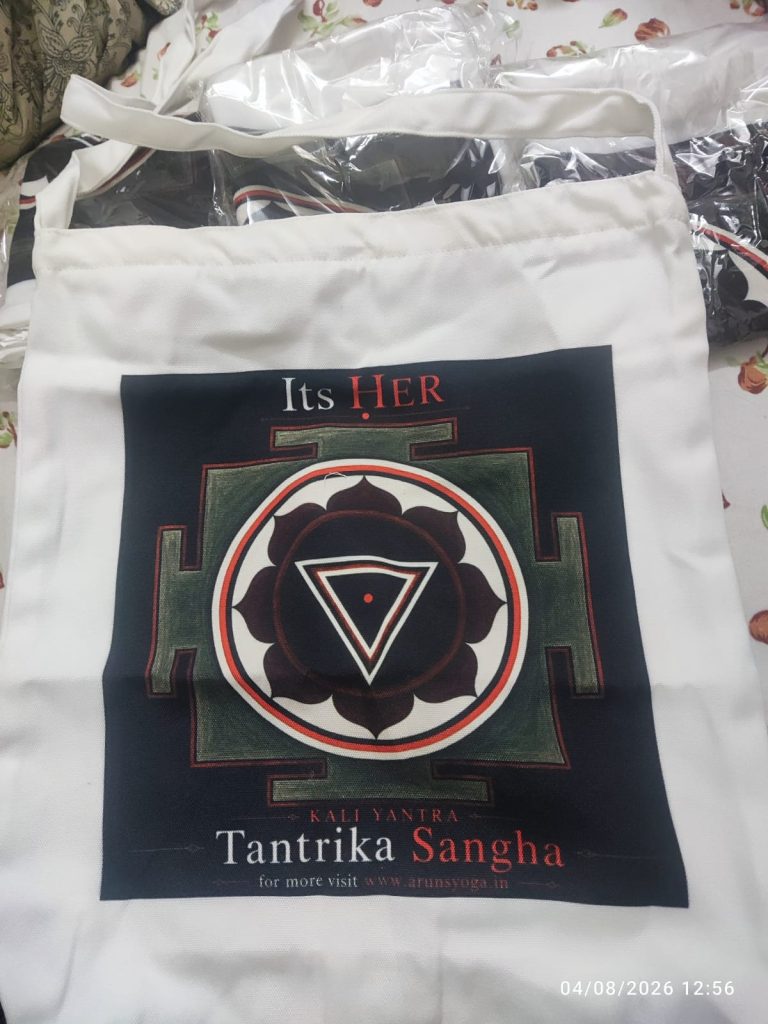
Kali yantra bags are available









Leave a Reply