Introduction to Yoga and Tantra
<p=Yoga and Tantra have their roots in ancient India, with a history spanning over 5,000 years. These practices have evolved over time, influenced by various cultures and philosophies. In this article, we will delve into the history of Yoga and Tantra, exploring their origins, evolution, and impact on the modern world.
Origins of Yoga
The word ‘Yoga’ is derived from the Sanskrit word ‘Yuj’ meaning ‘to unite’. The practice of Yoga originated in the Indus Valley Civilization, around 3000 BCE. The Vedas, ancient Indian scriptures, contain references to Yoga, describing it as a physical, mental, and spiritual practice. The Upanishads, which date back to 800 BCE, further elaborate on the concept of Yoga, emphasizing the union of the individual self (Jiva) with the universal self (Brahman).
Evolution of Yoga
Over time, Yoga evolved into different forms, each with its unique emphasis and approach. Hatha Yoga, which emerged in the 10th century CE, focused on physical postures (asanas) and breathing techniques (pranayama). Raja Yoga, which originated in the 15th century CE, emphasized meditation and the control of the mind. Bhakti Yoga, which emerged in the 16th century CE, focused on devotion and love for a higher power.
Origins of Tantra
Tantra, which originated in the 6th century CE, is a spiritual practice that aims to unite the individual with the universe. The word ‘Tantra’ is derived from the Sanskrit word ‘Tan’, meaning ‘to weave’. Tantra is based on the concept of the universe as a web of energy, and the individual as a part of this web. The practice of Tantra involves rituals, meditation, and other techniques to awaken the energy within and connect with the universal energy.
Evolution of Tantra
Like Yoga, Tantra also evolved over time, influenced by various cultures and philosophies. In the 10th century CE, Tantra was influenced by Buddhism, leading to the development of Vajrayana Buddhism. In the 16th century CE, Tantra was influenced by Islam, leading to the development of Sufism. Today, Tantra is practiced in various forms, including Hindu Tantra, Buddhist Tantra, and Jain Tantra.
Impact of Yoga and Tantra on the Modern World
Yoga and Tantra have had a profound impact on the modern world. Yoga has become a popular practice for physical and mental well-being, with millions of practitioners worldwide. Tantra has influenced various spiritual and philosophical traditions, including Western esotericism and New Age spirituality. The principles of Yoga and Tantra, such as non-violence, self-discipline, and self-awareness, have become integral to modern spiritual and philosophical discourse.
- Yoga has been recognized by the United Nations as an integral part of a healthy lifestyle.
- Tantra has influenced the development of various spiritual and philosophical traditions, including Western esotericism and New Age spirituality.
- Both Yoga and Tantra have been recognized for their therapeutic benefits, including stress reduction, improved mental health, and enhanced physical well-being.
Frequently Asked Questions
What is the origin of Yoga?
The origin of Yoga dates back to the Indus Valley Civilization, around 3000 BCE.
What is Tantra?
Tantra is a spiritual practice that aims to unite the individual with the universe, originating in the 6th century CE.
How have Yoga and Tantra evolved over time?
Yoga and Tantra have evolved over time, influenced by various cultures and philosophies, leading to the development of different forms and approaches.
What is the impact of Yoga and Tantra on the modern world?
Yoga and Tantra have had a profound impact on the modern world, influencing spiritual and philosophical discourse, and recognized for their therapeutic benefits.
What are the benefits of practicing Yoga and Tantra?
The benefits of practicing Yoga and Tantra include stress reduction, improved mental health, enhanced physical well-being, and a deeper connection with oneself and the universe.
Test Your Knowledge and Win Coupons to Get Discounts
Related Products & Services

Tantrik yoga retreat with satyama.
Imagine a week where grand life lessons in love, spirituality and your sexuality can happen every day with a small…
€2,000
Connect on whatsapp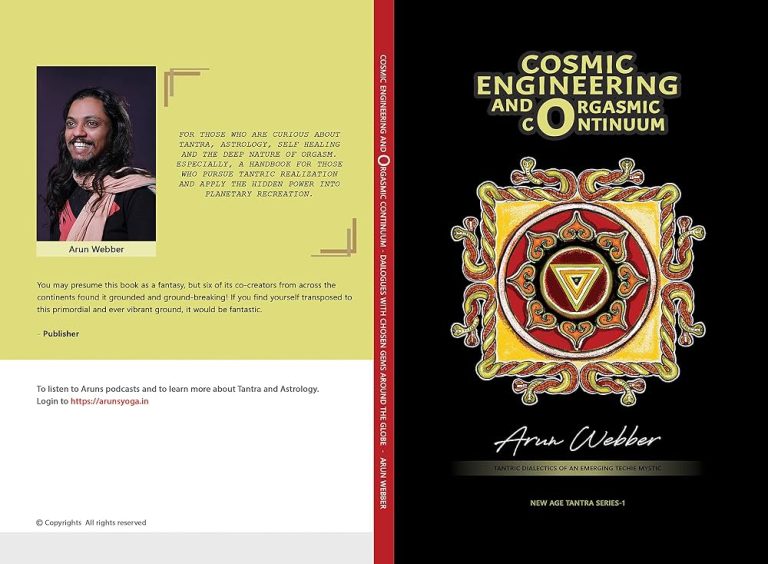
Cosmic engineering and orgasmic continum New age tantra series-1(Paper Back)
Cosmic Engineering And Orgasmic Continuum" is a 2021 spiritual book by Arun Webber that explores Tantra, self-healing, and the nature…
₹499
Order on WhatsApp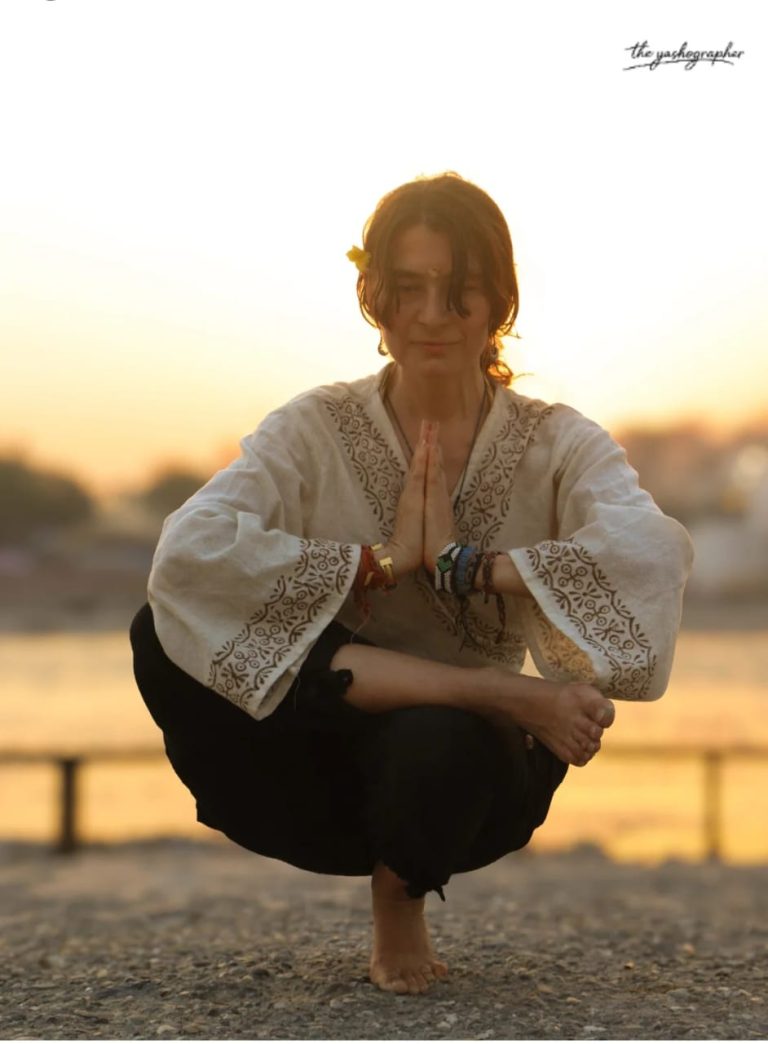
🌿 Private and Group Hatha, Vinyasa & Yoga Nidra Sessions with Lyubov
🔱Hatha, vinyasa yoga 🔱Yoga nidra 🌿What it will give?: ballance, inner peace, mindfulness, emotional release, relaxation, flexibility, strength, improve the…
₹0
Connect on whatsapp
Start your tantra sadhana with your specefic deity
If you’re not sure where or how to begin your Tantra Sadhana, contact us today. Receive a **handcrafted, energized Yantra**…
₹5,000
Order on WhatsApp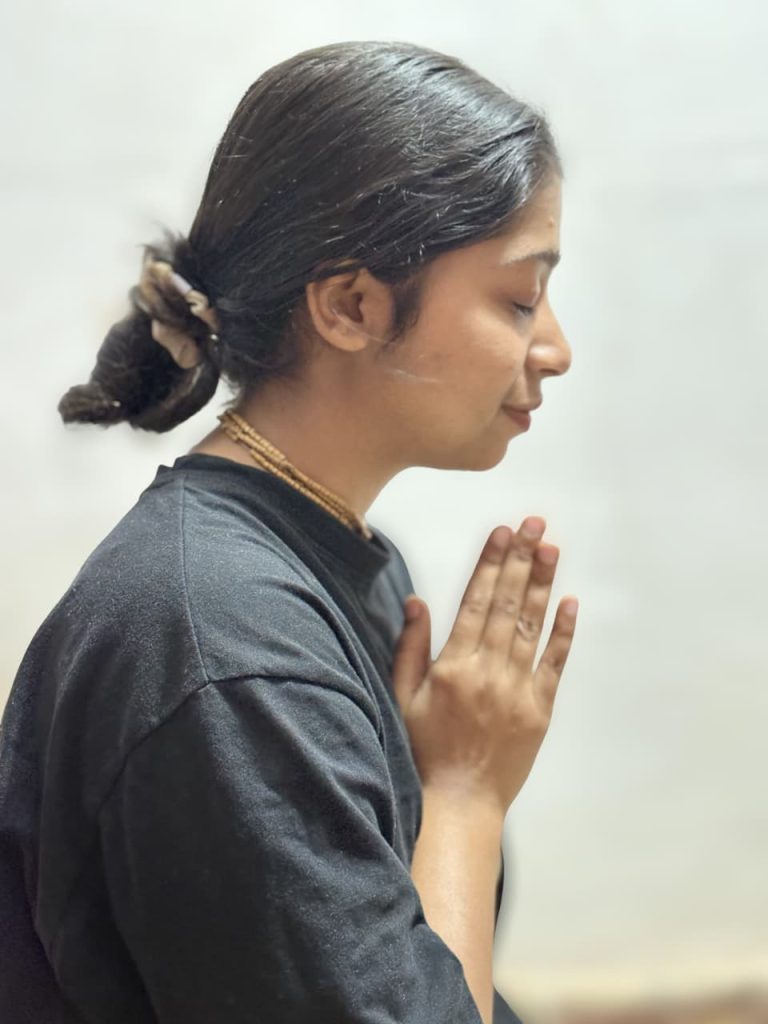
1-on-1 Online Yoga Session with Dolly Nigam
My sessions are suitable for beginners to intermediate practitioners, with personalized guidance based on your goals and abilities. What You'll…
₹800
Connect on whatsapp
Its her (Paper back) Signed By Arun
Exploring the Tantric Path" is a comprehensive guide that delves into the sacred teachings of Tantra through the exploration of…
₹299
Order on WhatsApp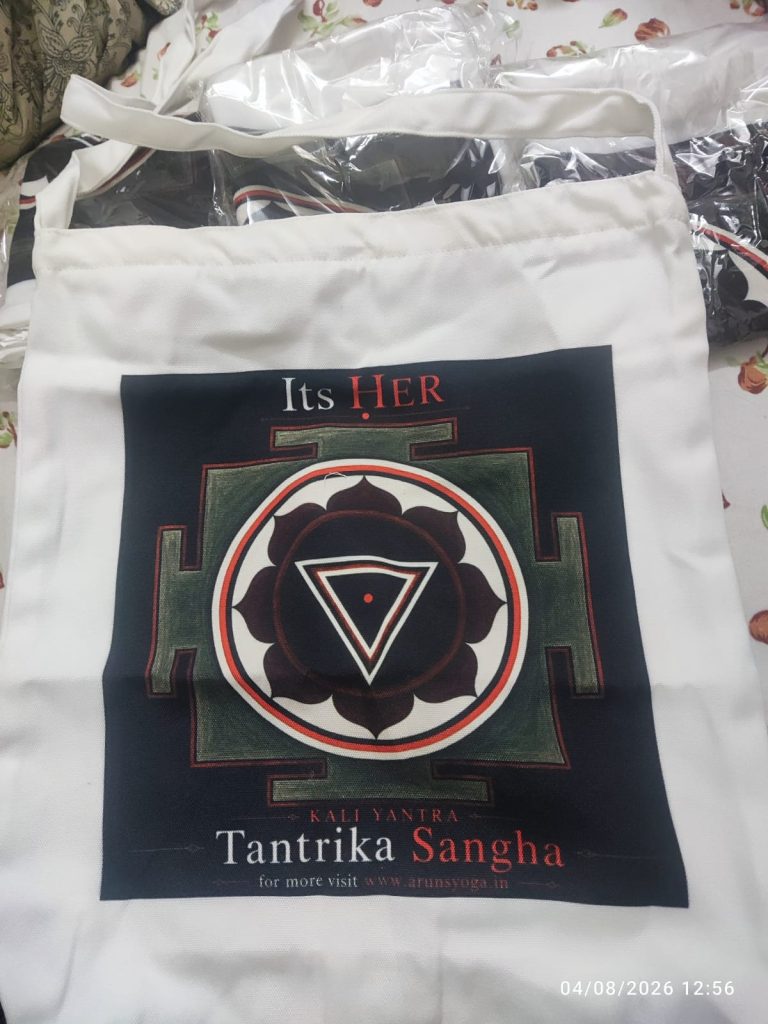
Kali Yantra Side Bags For Sangha By Arun
Carry your essentials with the protective presence of the Kali Yantra. Designed for spiritual practitioners and seekers, this side bag…
₹699
Order on WhatsApp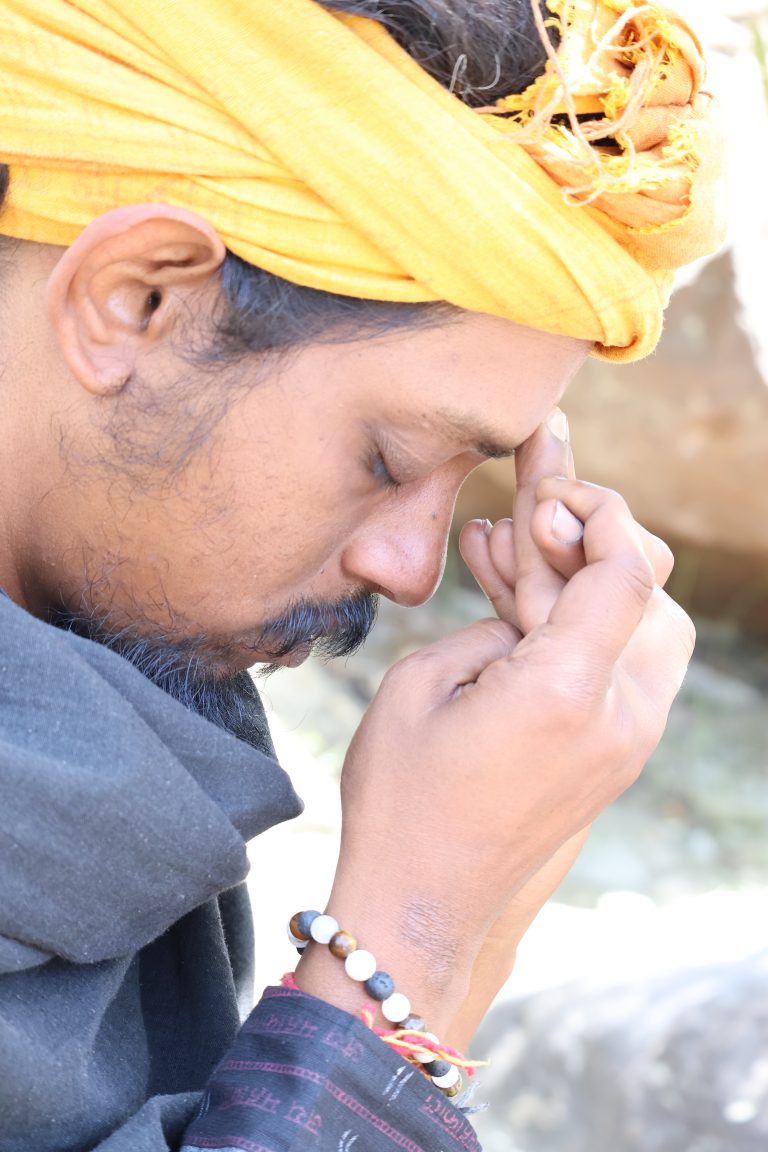
Learn yoni mudra Meditation With Arun.(Private , Group Online and Offline )
The Yoni Mudra is a powerful hand gesture that, when combined with specific breathing and mantras, can immediately generate high-frequency…
₹1,250
Order on WhatsApp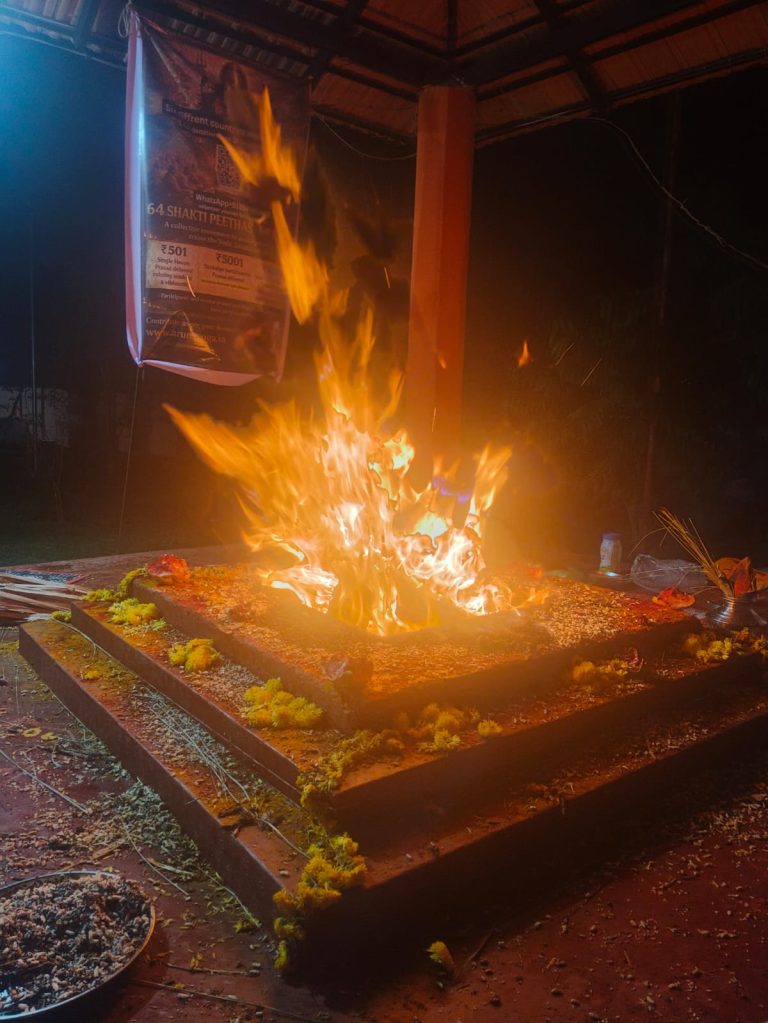
Private & Group Tantrik Havan
Conduct private and group Tantrik havans to increase and channelise energy in your own property, ashram, or spiritual centre.
₹50,000
Contact TodayMost Viewed Products And Services
Learn yoni mudra Meditation With Arun.(Private , Group Online and Offline )
The Yoni Mudra is a powerful hand gesture that, when combined with specific breathing and mantras, can immediately generate high-frequency…
₹1,250
Order on WhatsApp
🌿 Private and Group Hatha, Vinyasa & Yoga Nidra Sessions with Lyubov
🔱Hatha, vinyasa yoga 🔱Yoga nidra 🌿What it will give?: ballance, inner peace, mindfulness, emotional release, relaxation, flexibility, strength, improve the…
₹0
Connect on whatsapp
Kali Yantra Side Bags For Sangha By Arun
Carry your essentials with the protective presence of the Kali Yantra. Designed for spiritual practitioners and seekers, this side bag…
₹699
Order on WhatsAppHave a correction or improvement to suggest?
Log in or create a free accountRelated Videos

Felicity feline sharing her experience with yoga. #meditation #tantra #yoga

Master Mind For Dummies 4:(Patanjali Yoga Sutra Chapter-1 Samadhipadam)

Kundalini Yoga Level 1 – A Simple Meditation Technique To Transmute Your Sexuality Into Creativity

Learn yoga with lyuba @arunsyoga.in

Kriya is different from Yoga

Unlock the Secrets of Tantra with Arun | Free Book & Readings

Yoga is the state of mind in which you merged with the absolute.

Shodasi yantra my painting. #shodasi #tripurasundari #yantra #tantra #acralicpainting #tantra


Leave a Reply