Introduction to Samadhi
Samadhi is a term used in yoga and Hinduism to describe the highest state of consciousness, where the individual self (jiva) merges with the universal self (Brahman). This state is characterized by a profound sense of unity, bliss, and liberation from the cycle of birth and death. In this article, we will delve into the concept of samadhi, its different types, and the practices that can help you achieve this elevated state of consciousness.
Types of Samadhi
There are several types of samadhi, each with its own unique characteristics and requirements. The main types of samadhi are:
- Savikalpa samadhi: This is the state of consciousness where the individual self is aware of the universal self, but still maintains a sense of duality.
- Nirvikalpa samadhi: This is the state of consciousness where the individual self is completely absorbed in the universal self, and all sense of duality is transcended.
- Dharmamegha samadhi: This is the state of consciousness where the individual self is merged with the universal self, and all attachments and desires are transcended.
Practices for Achieving Samadhi
Achieving samadhi requires dedication, discipline, and a deep commitment to spiritual practice. Some of the practices that can help you achieve samadhi include:
- Meditation: Regular meditation practice can help you develop the concentration, awareness, and inner peace necessary for achieving samadhi.
- Yoga: Yoga postures, breathing techniques, and other practices can help you prepare the body and mind for the higher states of consciousness.
- Self-inquiry: Self-inquiry involves questioning the nature of the self and the reality, and can help you develop a deeper understanding of the universe and your place in it.
Benefits of Samadhi
Achieving samadhi can bring numerous benefits, including:
- Inner peace and tranquility
- Greater sense of unity and connection with the universe
- Increased self-awareness and understanding
- Improved physical and mental health
Frequently Asked Questions
What is the meaning of samadhi?
Samadhi refers to the highest state of yogic consciousness, where the individual self merges with the universal self.
What are the types of samadhi?
The main types of samadhi are savikalpa samadhi, nirvikalpa samadhi, and dharmamegha samadhi.
How can I achieve samadhi?
Achieving samadhi requires dedication, discipline, and a deep commitment to spiritual practice, including meditation, yoga, and self-inquiry.
Test Your Knowledge and Win Coupons to Get Discounts
Related Products & Services

Tantrik yoga retreat with satyama.
Imagine a week where grand life lessons in love, spirituality and your sexuality can happen every day with a small…
€2,000
Connect on whatsapp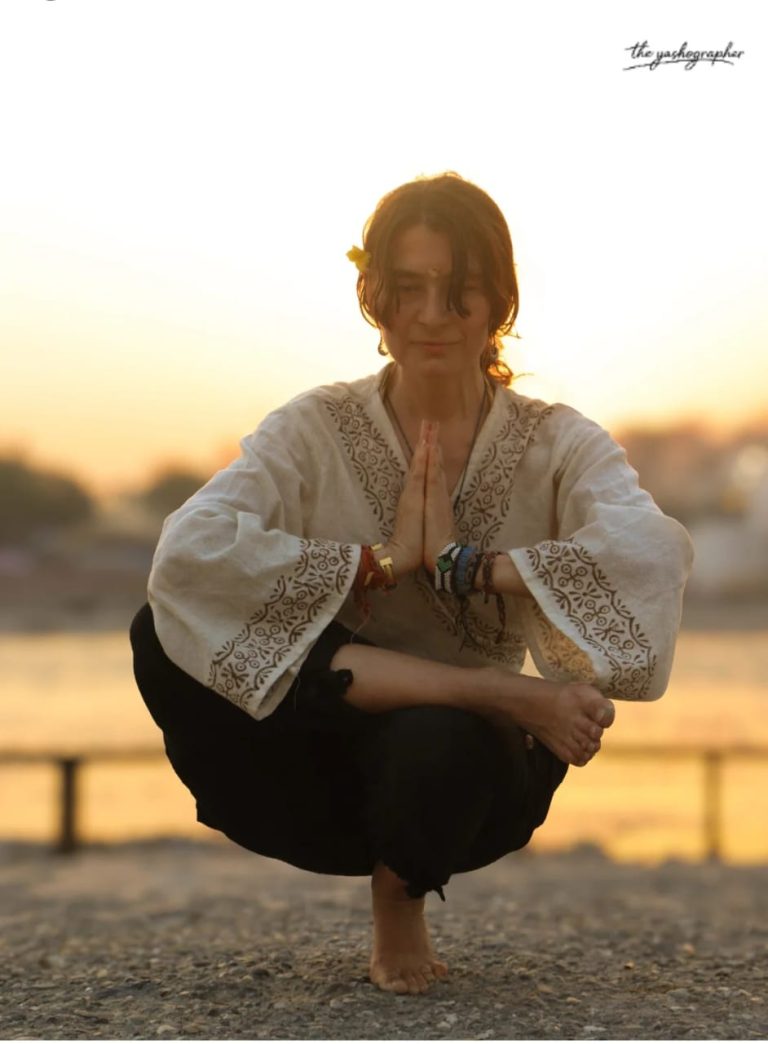
🌿 Private and Group Hatha, Vinyasa & Yoga Nidra Sessions with Lyubov
🔱Hatha, vinyasa yoga 🔱Yoga nidra 🌿What it will give?: ballance, inner peace, mindfulness, emotional release, relaxation, flexibility, strength, improve the…
₹0
Connect on whatsapp
Astrology and NLP with kavya.
At Kaviya Devendhiran – NLP Master Practitioner & Life Coach, we help individuals create positive and lasting transformation by changing…
₹500
Connect on whatsapp
Its her (Paper back) Signed By Arun
Exploring the Tantric Path" is a comprehensive guide that delves into the sacred teachings of Tantra through the exploration of…
₹299
Order on WhatsApp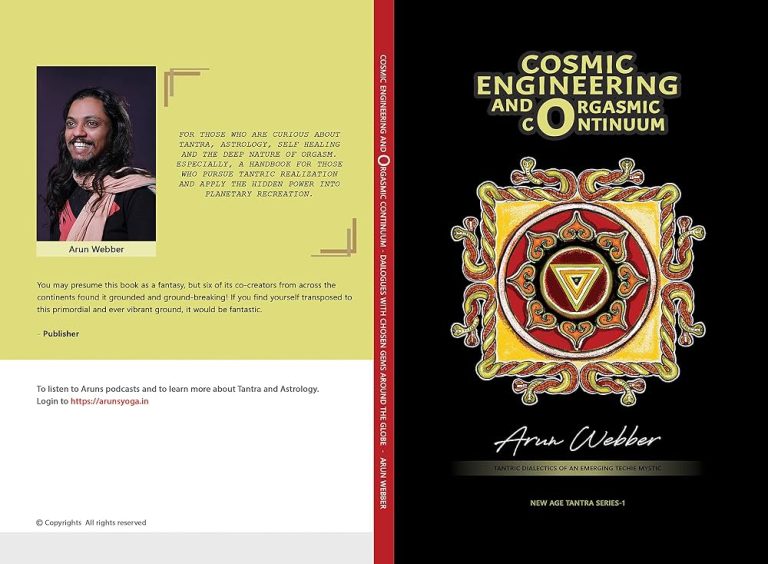
Cosmic engineering and orgasmic continum New age tantra series-1(Paper Back)
Cosmic Engineering And Orgasmic Continuum" is a 2021 spiritual book by Arun Webber that explores Tantra, self-healing, and the nature…
₹499
Order on WhatsApp
1-on-1 Online Yoga Session with Dolly Nigam
My sessions are suitable for beginners to intermediate practitioners, with personalized guidance based on your goals and abilities. What You'll…
₹800
Connect on whatsapp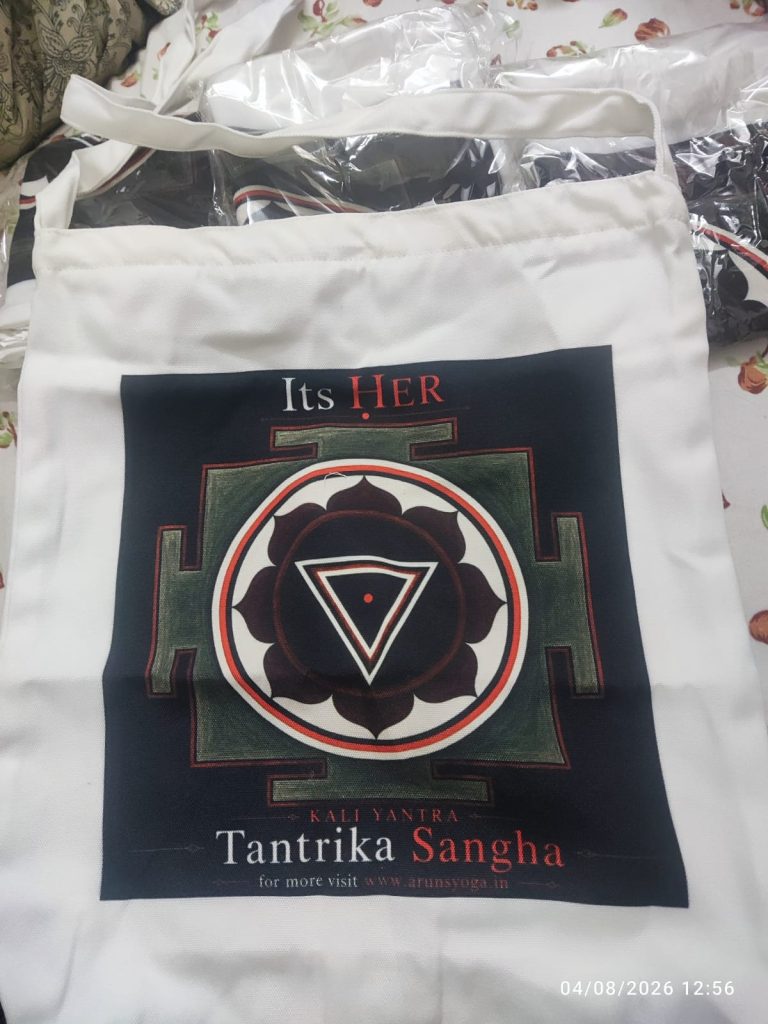
Kali Yantra Side Bags For Sangha By Arun
Carry your essentials with the protective presence of the Kali Yantra. Designed for spiritual practitioners and seekers, this side bag…
₹699
Order on WhatsApp
Start your tantra sadhana with your specefic deity
If you’re not sure where or how to begin your Tantra Sadhana, contact us today. Receive a **handcrafted, energized Yantra**…
₹5,000
Order on WhatsApp
Learn yoni mudra Meditation With Arun.(Private , Group Online and Offline )
The Yoni Mudra is a powerful hand gesture that, when combined with specific breathing and mantras, can immediately generate high-frequency…
₹1,250
Order on WhatsAppMost Viewed Products And Services
Learn yoni mudra Meditation With Arun.(Private , Group Online and Offline )
The Yoni Mudra is a powerful hand gesture that, when combined with specific breathing and mantras, can immediately generate high-frequency…
₹1,250
Order on WhatsApp
🌿 Private and Group Hatha, Vinyasa & Yoga Nidra Sessions with Lyubov
🔱Hatha, vinyasa yoga 🔱Yoga nidra 🌿What it will give?: ballance, inner peace, mindfulness, emotional release, relaxation, flexibility, strength, improve the…
₹0
Connect on whatsapp
Kali Yantra Side Bags For Sangha By Arun
Carry your essentials with the protective presence of the Kali Yantra. Designed for spiritual practitioners and seekers, this side bag…
₹699
Order on WhatsAppHave a correction or improvement to suggest?
Log in or create a free accountRelated Videos

Moksha is the state which leads you to enlightenment or samadhi.

Fourth state of consciousness

Master Mind For Dummies 4:(Patanjali Yoga Sutra Chapter-1 Samadhipadam)

Yoga is the state of mind in which you merged with the absolute.

According to Upanishads there are four states of consciousness.

Consciousness Transformed: Covid, Global Uncertainty And Kundalini Yoga – June 2021 Workshop

To experience pleasure we don't have to be in body consciousness.

Consciousness will expand and explode like the universe.


Leave a Reply